Gardening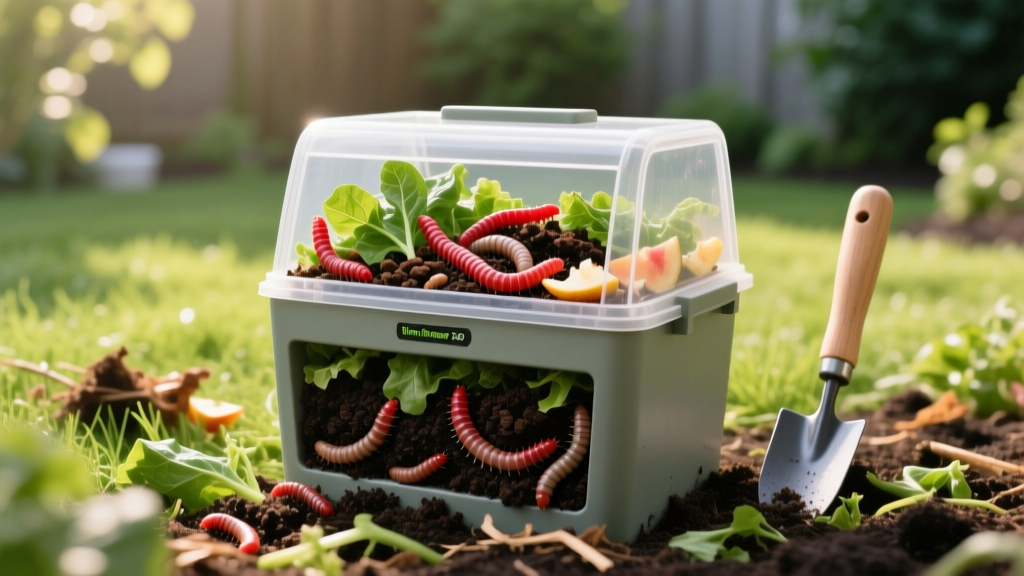
Worm Factory 360 Vermicomposting: 2026 Fertilizer Schedule Guide
Lisa ThompsonPublished
The Shift to Homegrown Fertilizers in 2026
As we navigate the 2026 gardening season, the rising costs and supply chain fluctuations of commercial synthetic fertilizers have pushed home gardeners toward sustainable, closed-loop soil management. Vermicomposting—the process of using worms to break down organic waste into nutrient-dense castings—has never been more relevant. Among the various systems on the market, the Worm Factory 360 remains the gold standard for continuous, odorless indoor and outdoor composting. When paired with the voracious appetite of red wiggler worms (Eisenia fetida), this multi-tray system transforms kitchen scraps into a premium, slow-release organic fertilizer that rivals any bagged product on the shelf.
According to the Environmental Protection Agency's composting guidelines, vermicomposting not only diverts significant organic waste from landfills but also produces a soil amendment rich in beneficial microbes and plant-available nutrients. This guide will walk you through a comprehensive 2026 fertilizer schedule, detailing exactly how to feed, harvest, and apply your Worm Factory 360 castings and worm tea to your vegetable and flower gardens.
Understanding Your Worm Factory 360 System
The Worm Factory 360 utilizes a vertical migration system. As the bottom tray fills with finished castings, the red wigglers naturally migrate upward through a grid into the next tray, following the fresh food source. This eliminates the need to manually sort worms from the finished compost. In 2026, a standard 4-tray starter kit retails for approximately $140 to $160, an investment that typically pays for itself within a single growing season by eliminating the need to purchase bagged organic fertilizers, which now frequently exceed $25 per bag.
Optimal Bin Conditions for Maximum Fertilizer Yield
- Temperature: Red wigglers thrive between 55°F and 77°F. In the summer, keep the bin in a shaded, cool area; in winter, move it to a basement or heated garage to maintain continuous fertilizer production.
- Moisture: The bedding should feel like a wrung-out sponge (about 80% moisture). The Worm Factory 360 includes a drainage spigot to prevent waterlogging.
- Bedding: Use a mix of shredded corrugated cardboard, coconut coir, and aged peat moss to provide the necessary carbon base for your nitrogen-rich kitchen scraps.
The Red Wiggler Feeding Schedule
To maintain a steady output of high-quality fertilizer, you must feed your worms correctly. A general rule of thumb is that one pound of red wigglers (roughly 1,000 worms) can consume about half a pound of food scraps per day. However, for optimal castings production, a slightly slower feeding schedule prevents anaerobic conditions and fruit fly outbreaks.
What to Feed for Premium Castings
The NPK (Nitrogen-Phosphorus-Potassium) profile of your worm castings is directly influenced by their diet. For a balanced, all-purpose garden fertilizer, aim for a 3:1 ratio of browns (carbon) to greens (nitrogen).
- Excellent Greens: Melon rinds, coffee grounds, tea bags, crushed eggshells (vital for worm digestion and adds calcium to your fertilizer), and leafy vegetable scraps.
- Excellent Browns: Shredded unbleached paper, cardboard, dried leaves, and coconut coir.
- Items to Avoid: Citrus peels (too acidic), alliums like onions and garlic (can harm worms), dairy, meat, and oily foods.
Harvesting Solid Castings: The Migration Method
Harvesting from the Worm Factory 360 is remarkably clean compared to traditional single-bin composters. Following the manufacturer's migration protocol ensures your fertilizer is fully cured and worm-free.
- Prepare the Next Tray: When the top working tray is nearly full, add a layer of moist bedding and fresh food to a new, empty tray.
- Stack and Wait: Place the new tray directly on top of the full tray. Leave the lid off for a few hours in a well-lit room. Red wigglers are photophobic and will quickly migrate upward into the new tray to escape the light and find food.
- Harvest: After 24 to 48 hours, remove the bottom tray. The contents should be dark, crumbly, and smell like rich forest soil. This is your finished vermicompost, ready for the garden.
Research from the Cornell Waste Management Institute highlights that fully cured vermicompost contains plant growth regulators and beneficial bacteria that suppress soil-borne diseases, making the waiting period for complete migration and curing well worth it.
Brewing Liquid Fertilizer: Worm Tea vs. Leachate
The Worm Factory 360 features a base tray with a spigot that collects liquid runoff. It is crucial to understand the difference between leachate and actively aerated worm tea (AAWT) when planning your liquid fertilizer schedule.
Using Leachate Safely
Leachate is the liquid that passively drains through the bins. While it contains some nutrients, it can also harbor anaerobic bacteria if the bin is too wet or overloaded. Schedule Tip: Dilute leachate at a 10:1 ratio with dechlorinated water and apply it only to the soil around non-edible ornamentals or established trees. Avoid using raw leachate as a foliar spray on edible crops.
Brewing Actively Aerated Worm Tea (AAWT)
For a premium, safe liquid fertilizer that can be used as a foliar spray or soil drench, brew AAWT. Mix 1 cup of freshly harvested Worm Factory 360 castings, 1 tablespoon of unsulfured molasses (to feed the microbes), and 1 gallon of dechlorinated water in a bucket. Use an aquarium air pump to aerate the mixture vigorously for 24 to 36 hours. The resulting liquid is teeming with aerobic microbes and should be applied to your garden within 4 hours of brewing.
2026 Garden Application Schedule & Rates
Worm castings are a gentle, slow-release fertilizer that will not burn plant roots, allowing for flexible application schedules throughout the growing season. Below is the recommended 2026 application chart for various garden crops.
| Plant Type | Application Method | Castings Rate | Frequency |
|---|---|---|---|
| Tomatoes & Peppers | Planting Hole / Side-dress | 1/2 cup per hole / 1 cup side-dress | At planting, then every 4 weeks |
| Leafy Greens | Top Dress / Soil Mix | 10% of total soil volume | Once at planting |
| Roses & Perennials | Top Dress | 1-2 cups per plant base | Early Spring & Late Fall |
| Container Plants | Potting Mix Amendment | 15-20% of total mix | At repotting or top-dress monthly |
| Seed Starting | Seedling Mix Amendment | 5-10% of total mix | Once at sowing |
Seasonal Fertilizer Timeline
- Early Spring (March - April): Incorporate 1 to 2 inches of harvested castings into the top 6 inches of your raised beds. This inoculates the soil with microbes right before planting cool-season crops.
- Summer (June - August): Heavy feeders like squash, cucumbers, and tomatoes will benefit from a monthly side-dressing. Scratch 1 cup of castings into the soil around the drip line of the plant, then water deeply or apply AAWT.
- Fall (September - November): Top-dress perennial beds and garlic plantings with a thick layer of castings mixed with autumn leaves. This protects the soil over winter and provides a slow nutrient release for early spring growth.
Troubleshooting Your Worm Factory 360
Even the best fertilizer schedules can be derailed by bin imbalances. Here is how to keep your 2026 production on track:
- Fruit Flies: Always bury food scraps under at least 2 inches of brown bedding. If an outbreak occurs, stop feeding for a week and place a yellow sticky trap near the bin lid.
- Sour or Ammonia Odors: This indicates anaerobic conditions, usually from overfeeding or excess moisture. Stop adding food, mix in dry shredded cardboard, and ensure the drainage spigot is open to release excess liquid.
- Worms Escaping: Worms usually only flee if the environment is toxic. Ensure you are not feeding them highly acidic foods, and check that the bin is not sitting in direct, baking sunlight.
Conclusion: Closing the Loop in 2026
Integrating the Worm Factory 360 into your gardening routine is one of the most impactful decisions you can make for your soil health this year. By following this structured feeding, harvesting, and application schedule, you will produce a continuous supply of premium organic fertilizer. Not only will your vegetables and flowers thrive with the microbe-rich nutrition of red wiggler castings, but you will also insulate your garden budget against the unpredictable commercial fertilizer market of 2026. Start your bin today, and let nature's ultimate recyclers do the heavy lifting for your garden.
