Gardening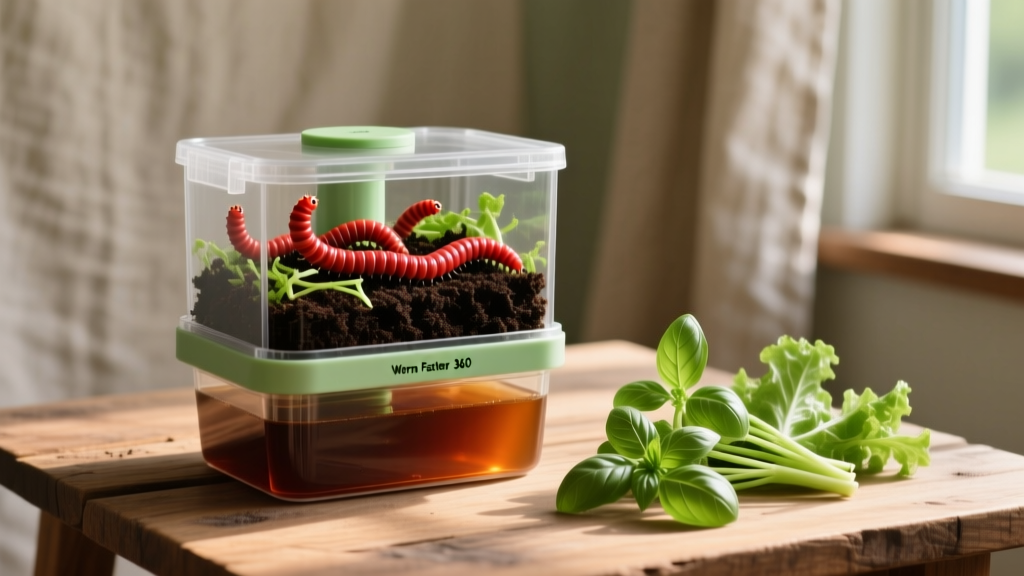
Worm Factory 360 Vermicomposting 2026: Container Garden Guide
Mike RodriguezPublished
The Rise of Closed-Loop Container Gardening in 2026
As urban gardening spaces continue to evolve in 2026, balcony and patio growers are increasingly turning to closed-loop, sustainable systems to nourish their potted plants. Container gardening presents a unique challenge: potting soil depletes its nutrients rapidly, and synthetic fertilizers can degrade the delicate soil microbiome over time. Enter vermicomposting—the process of using earthworms to convert organic waste into nutrient-dense castings. Specifically, utilizing the Worm Factory 360 with Red Wiggler worms (Eisenia fetida) has become the gold standard for small-space growers looking to produce premium, organic fertilizer right on their patio.
According to the EPA's guide to composting basics, vermicomposting not only diverts valuable organic matter from landfills but also produces a soil amendment rich in essential plant nutrients and beneficial microbes. For the container gardener, this means larger yields, more vibrant blooms, and a natural defense against soil-borne pathogens, all from a compact, odorless bin.
Why the Worm Factory 360 is the Ultimate Potted Plant Companion
The Worm Factory 360 is a multi-tray vermicomposting system designed specifically for efficiency and space conservation. Measuring just 18 by 18 inches, it fits perfectly on a balcony, in a garage, or under a kitchen sink. Here is why it remains the top choice for container gardeners in 2026:
- Upward Migration System: Unlike single-bin setups that require messy manual sorting, the Worm Factory 360 uses stackable trays. As the worms finish processing the food and bedding in the bottom tray, they naturally migrate upward through the grated bottoms to the next tray filled with fresh scraps.
- Integrated Spigot: Container plants thrive on liquid fertilizers. The base of the Worm Factory 360 features a drainage spigot that allows you to easily harvest 'leachate' (worm bin drainage), which can be diluted and used to water your potted vegetables and flowers.
- Optimal Airflow: The 360-degree ventilation design ensures that the aerobic bacteria and red wigglers get the oxygen they need, preventing the anaerobic conditions that cause foul odors.
Setting Up Your Worm Factory 360 for Red Wigglers
Getting your bin ready for your worm workforce is straightforward. Red wigglers are surface dwellers and voracious eaters, capable of consuming up to half their body weight in organic matter daily.
Step 1: Prepare the Bedding
Start with the first tray. Add the included shredded cardboard and a block of coconut coir. Soak the coir in water until it expands, then mix it with the cardboard. The bedding should feel like a wrung-out sponge—moist but not dripping. Penn State Extension recommends maintaining a moisture level of around 70-80% to keep the worms' skin moist, which is how they breathe.
Step 2: Introduce the Worms
For a standard household generating moderate kitchen scraps, a 1-pound order of Red Wigglers (approximately 1,000 worms) is the perfect starting point. Gently place them on top of the moist bedding. Leave the lid off and shine a light on the bin for the first few hours; red wigglers are photophobic and will quickly burrow down into the bedding to escape the light, ensuring they settle in rather than wandering off.
Step 3: The First Feeding
Wait 24 to 48 hours before their first feeding. Start small—a handful of blended fruit and vegetable scraps buried under the bedding. Burying the food prevents fruit flies and helps maintain a tidy bin environment.
Feeding Your Worm Workforce: The Container Gardener's Diet
To produce the highest quality castings for your potted tomatoes, peppers, and ornamental flowers, you must feed your worms a balanced diet of 'greens' (nitrogen-rich scraps) and 'browns' (carbon-rich bedding). As noted by Cornell University's Waste Management Institute, the biological balance of the bin directly correlates to the nutrient profile of the final castings.
| Category | Excellent Additions (Do Feed) | Harmful Additions (Do Not Feed) |
|---|---|---|
| Greens (Nitrogen) | Apple cores, melon rinds, carrot peels, coffee grounds, tea bags (staple removed), crushed eggshells. | Citrus fruits (too acidic), onions, garlic, spicy peppers, meat, dairy, oily foods. |
| Browns (Carbon) | Shredded newspaper (non-glossy), cardboard, dry autumn leaves, coconut coir, paper egg cartons. | Glossy magazine paper, heavily inked cardboard, treated wood shavings, pet waste. |
Pro Tip for Container Growers: Crushed eggshells are vital. They provide calcium, which prevents blossom end rot in potted tomatoes and peppers. The grit also aids the worms' gizzards in breaking down food.
Harvesting Black Gold and Liquid Fertilizer
After 3 to 4 months, your first tray will be filled with dark, earthy-smelling vermicompost. It is time to harvest.
Harvesting Solid Castings
Because of the Worm Factory 360's upward migration design, harvesting is clean and simple. When the first tray is full of castings, simply move it to the very top of the stack, leaving the lid off under a bright light. Any remaining worms will migrate down into the lower trays to escape the light. Within a few hours, you can scoop out pure, worm-free castings. Store them in a breathable container or apply them directly to your pots.
Harvesting Liquid Fertilizer
The spigot at the base collects leachate. However, be cautious: leachate is simply the excess water that has drained through the bin and can sometimes harbor anaerobic bacteria if the bin is too wet. Never apply leachate directly to your plants without diluting it. Dilute it at a ratio of 1:10 with dechlorinated water before using it as a soil drench for heavy-feeding container plants.
Application Guide: Using Castings in Your 2026 Pots
Worm castings are a mild, slow-release fertilizer with an approximate NPK ratio of 1-0-0, but their true value lies in their microbial life, humic acids, and trace minerals. Here is how to apply them to your container garden:
- Top-Dressing Established Plants: For potted perennials, citrus trees, or established vegetables, scratch a 1-inch layer of worm castings into the top two inches of the potting soil. Water thoroughly to allow the microbes and nutrients to seep down to the root zone.
- Potting Mix Amendment: When starting new seeds or transplanting seedlings into larger containers in the spring, mix worm castings into your peat-free potting mix at a rate of 10% to 20% by volume. This provides a gentle nutrient base that will not burn delicate young roots.
- Compost Tea Foliar Spray: To protect your container garden from fungal diseases like powdery mildew, brew an aerated compost tea. Steep 1 cup of worm castings in 1 gallon of dechlorinated water with an aquarium air pump for 24 hours. Strain the liquid into a spray bottle and apply it to the foliage of your potted roses and vegetables early in the morning.
Troubleshooting Common Bin Issues
Even the best-maintained Worm Factory 360 bins can encounter hiccups. Here is how to keep your system running smoothly:
Fruit Flies
Fruit flies are attracted to exposed, rotting fruit. Solution: Always bury your food scraps at least two inches deep under the bedding. If an infestation occurs, place a small jar of apple cider vinegar with a drop of dish soap near the bin to trap them, and add a thick layer of dry shredded cardboard on top of the active tray.
Foul Odors
A healthy worm bin smells like a forest floor after a rainstorm. If it smells like sulfur or garbage, it has gone anaerobic. Solution: You are likely overfeeding the worms or the bin is too wet. Stop feeding for a week, mix in plenty of dry, carbon-rich bedding (like shredded paper or dry coir) to absorb excess moisture, and use the provided aeration tool to gently fluff the contents.
Worms Escaping
If you find worms climbing the walls or gathering on the lid, they are unhappy with their environment. Solution: Check the moisture and pH levels. The bin may be too acidic from too many fruit scraps. Add a handful of crushed eggshells or agricultural lime to neutralize the pH, and ensure the bin is kept in a shaded area, as temperatures above 80°F (27°C) can cause heat stress.
Conclusion
Integrating the Worm Factory 360 into your container gardening routine is one of the most impactful upgrades you can make in 2026. By closing the loop on your kitchen waste, you not only reduce your environmental footprint but also cultivate a thriving, self-sustaining source of premium organic fertilizer. Your potted plants, from sprawling balcony tomatoes to delicate patio herbs, will reward your efforts with vigorous growth, stunning blooms, and bountiful harvests.
