Gardening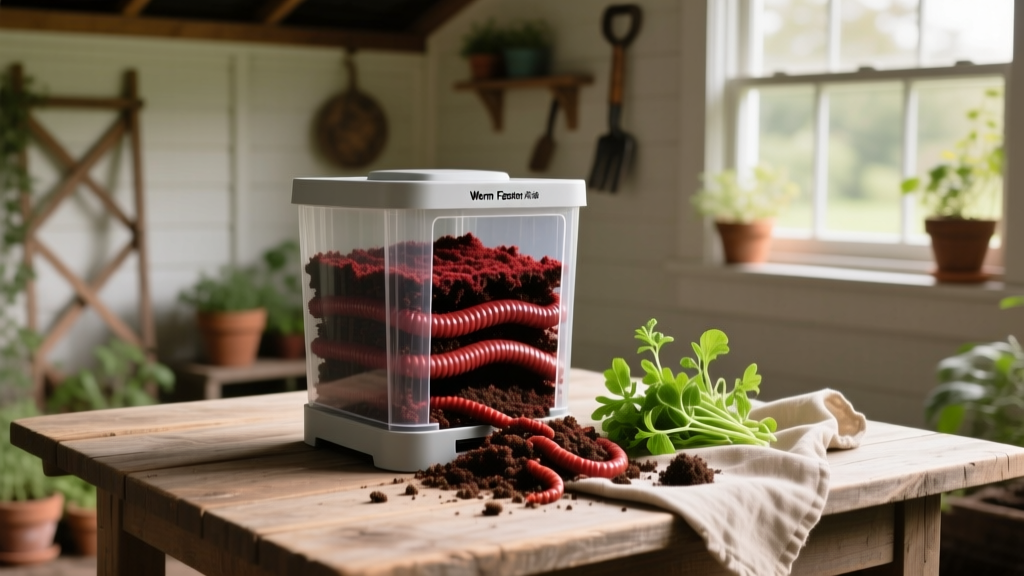
Worm Factory 360 Vermicompost Mulching Guide 2026
Emily WatsonPublished
The Evolution of Mulching in 2026: Beyond Weed Suppression
In the modern gardening landscape of 2026, mulching has transcended its traditional role of merely suppressing weeds and retaining soil moisture. Today's regenerative gardening practices demand that mulch actively contributes to the soil food web, introducing beneficial microbiology and bioavailable nutrients directly to the root zones of our vegetables and ornamental flowers. While traditional materials like wood chips and straw still have their place, the undisputed champion of active, biologically rich mulch is vermicompost. Specifically, castings produced by red wiggler worms (Eisenia fetida) in a controlled, multi-tray system like the Worm Factory 360 offer an unparalleled soil amendment and top-dress mulch that transforms garden health.
The Worm Factory 360 has remained a staple for urban and suburban gardeners, and its 2026 iterations continue to provide an efficient, odor-free method for converting household kitchen scraps into 'black gold.' By leveraging this system, gardeners can produce a continuous supply of premium vermicompost to use as a highly concentrated mulch layer. In this comprehensive guide, we will explore how to optimize your Worm Factory 360 for maximum casting production, compare vermicompost to traditional mulching materials, and detail the exact application methods to supercharge your garden beds this season.
Vermicompost vs. Traditional Mulching Materials
Before diving into the mechanics of the Worm Factory 360, it is essential to understand why vermicompost is categorized as a premium 'active' mulch compared to 'passive' or 'inert' mulches. When you apply wood chips or pine needles, you are primarily creating a physical barrier. While these materials eventually break down, they can temporarily tie up soil nitrogen during the initial decomposition phases. Vermicompost, conversely, is a finished, biologically active product. According to the USDA Natural Resources Conservation Service, maintaining a biologically active soil surface is critical for long-term soil structure, water infiltration, and disease suppression.
Below is a comparison chart detailing how vermicompost from your Worm Factory 360 stacks up against other common mulching materials available in 2026.
| Mulch Material | Nitrogen Impact | Microbial Inoculation | Moisture Retention | Best Application |
|---|---|---|---|---|
| Vermicompost (WF360) | Adds bioavailable N, P, K | Extremely High (Billions of CFUs) | High (Acts like a sponge) | Top-dressing, seed starting, container gardens |
| Aged Wood Chips | Neutral to Slight Tie-up | Moderate (Fungi dominant) | Very High | Pathways, around established trees and shrubs |
| Straw / Hay | Neutral | Low to Moderate | Moderate | Vegetable rows, winter bed protection |
| Pine Needles | Slight Acidification | Low | Moderate | Acid-loving plants (blueberries, azaleas) |
Setting Up the Worm Factory 360 for Mulch Production
The Worm Factory 360 operates on a vertical migration principle. As red wigglers consume the organic matter in the bottom tray, they migrate upward through the grate into the next tray in search of fresh food, leaving behind pure, nutrient-dense castings in the lower trays. To produce enough vermicompost to use as a garden-wide mulch, you must maintain a robust, rapidly reproducing worm population.
In 2026, a standard Worm Factory 360 unit (retailing around $150) typically comes with a base, a collection tray for leachate, and three to four stacking trays. To kickstart your mulch production, begin with at least one pound of red wigglers (approximately 1,000 worms). As noted by the experts at Eartheasy's Vermicomposting Guide, a healthy population of Eisenia fetida can consume roughly half their body weight in organic matter per day, meaning one pound of worms will process about 3.5 pounds of kitchen scraps weekly.
The Ideal Bedding and Feeding Ratio
The secret to high-quality casting mulch lies in the carbon-to-nitrogen (C:N) ratio of the materials you feed your worms. A ratio of roughly 3:1 (Carbon to Nitrogen) is ideal.
- Nitrogen Sources (Greens): Fruit and vegetable scraps, coffee grounds, and tea bags. Avoid citrus, onions, and spicy foods, which can disrupt the bin's pH and irritate the worms.
- Carbon Sources (Browns): Shredded corrugated cardboard, unbleached paper, coconut coir, and dried autumn leaves. In 2026, many gardeners use a mini paper shredder to process junk mail and cardboard packaging directly into the WF360, ensuring a steady carbon supply.
Always bury the food scraps under a thick layer of moist bedding. This mimics the worms' natural forest floor environment, prevents fruit flies, and eliminates odors.
Harvesting Your Vermicompost Mulch
After 3 to 4 months of continuous feeding, the bottom tray of your Worm Factory 360 will be packed with dark, earthy-smelling castings. Harvesting is straightforward due to the system's design. Simply move the finished bottom tray to the very top of the stack and leave the lid off for a few hours. Red wigglers are photophobic (they hate light) and will naturally migrate down into the darker, lower trays to escape the ambient light. Once the majority of the worms have vacated the top tray, you can scoop out the pure vermicompost, ready to be used as a premium mulch.
Do not forget the liquid gold! The base of the WF360 collects 'leachate,' often referred to as worm tea. While not a mulch itself, diluting this liquid at a 10:1 ratio with water provides a phenomenal liquid soil drench that complements your solid vermicompost mulch application. The Environmental Protection Agency (EPA) highly encourages vermicomposting systems like this as a primary method for household organic waste diversion, keeping methane-producing scraps out of landfills while generating valuable garden inputs.
Application Methods: Using WF360 Castings as a Surface Mulch
Because vermicompost is so rich in nutrients and microbial life, it is not used in the same thick, heavy layers as wood chips. Instead, it is applied as a concentrated top-dress mulch. Here are the best methods for applying your Worm Factory 360 harvest in the 2026 garden:
1. The Active Top-Dress Method
For established vegetable plants, tomatoes, peppers, and ornamental perennials, apply a 1/4 to 1/2 inch layer of vermicompost directly around the base of the plant, extending out to the drip line. Water immediately after application. The water carries the soluble nutrients and beneficial microbes down into the root zone. Because vermicompost has a high humic acid content, it will not burn plant roots, unlike synthetic fertilizers or raw manure.
2. The 'Cover Mulch' Technique
While vermicompost is incredible for the soil, the beneficial bacteria and fungi within it are sensitive to ultraviolet (UV) light and rapid drying. To protect your active mulch, apply your 1/2 inch layer of WF360 castings, and then lightly cover it with a passive mulch, such as an inch of straw or shredded leaves. This 'cover mulch' locks in the moisture, shields the microbes from the sun, and allows the worms' work to seamlessly integrate into your garden soil.
3. Container Garden Refresh
Potted plants quickly exhaust their soil nutrients. In early spring or mid-season, scrape away the top inch of depleted potting soil from your containers and replace it with fresh vermicompost from your WF360. This acts as a slow-release mulch and fertilizer, revitalizing container gardens without the need for chemical feeds.
Troubleshooting the Worm Factory 360
To ensure a steady supply of mulch, your worm bin must remain healthy. Here are quick fixes for common WF360 issues:
- Bin Smells Like Rotten Eggs: This indicates anaerobic conditions (lack of oxygen). You are likely overfeeding or the bin is too wet. Stop feeding, add dry shredded cardboard to absorb excess moisture, and gently fluff the bedding with a hand fork to introduce oxygen.
- Fruit Flies: Exposed food scraps attract fungus gnats and fruit flies. Always bury your nitrogen sources under at least two inches of carbon-heavy bedding, or place a damp sheet of newspaper over the top of the working tray.
- Worms Escaping: If worms are crawling out of the trays and into the collection base, the environment is too acidic or too wet. Add a handful of crushed eggshells (which provide calcium and buffer pH) and ensure the drainage spigot is open to prevent waterlogging.
Conclusion
Mulching in 2026 is an exercise in soil stewardship. By integrating a Worm Factory 360 into your gardening routine, you are not merely disposing of kitchen waste; you are manufacturing the most biologically active, nutrient-dense mulch available to the home gardener. Red wiggler castings improve soil structure, enhance moisture retention, and inoculate your garden beds with the microscopic life necessary for vigorous plant growth. Whether you are top-dressing your heirloom tomatoes or refreshing your ornamental raised beds, the vermicompost harvested from your WF360 will prove to be the most valuable mulching material in your arsenal.
