
Landscaping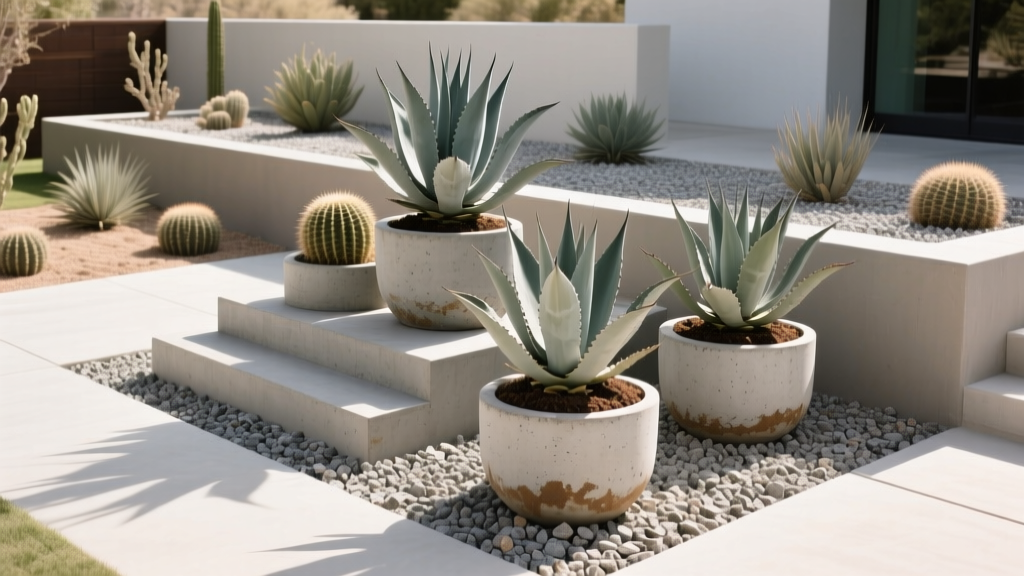
2026 Xeriscape Front Yard: Agave & Decomposed Granite Pots
Lisa ThompsonPublished
The 2026 Evolution of the Xeriscape Front Yard
As we navigate the landscaping trends of 2026, the modern front yard has undergone a radical transformation. Homeowners are increasingly moving away from water-thirsty turf grasses and embracing sustainable, low-maintenance alternatives that do not sacrifice curb appeal. The undisputed champion of this movement is the xeriscape front yard featuring decomposed granite (DG) paired with striking architectural plants like agave. However, planting agaves directly into the ground can sometimes lead to drainage issues, soil-borne diseases, or an overly flat visual profile. This is where the art of container and pot gardening intersects with hardscaping. By integrating large, strategically placed containers into a decomposed granite landscape, you can elevate your agaves, create stunning focal points, and achieve a flawless desert-modern aesthetic that is highly functional and exceptionally water-wise.
Why Pair Decomposed Granite with Container Gardening?
Decomposed granite is a highly permeable, natural-looking hardscape material that compacts well while still allowing rainwater to percolate into the soil below. According to the EPA's WaterSense program, replacing traditional lawns with permeable hardscapes and drought-tolerant plants can reduce outdoor water use by up to 50 percent. While DG provides a beautiful, rustic-meets-modern canvas, planting succulents directly in it can be risky if the underlying native soil is heavy clay. Agaves are notoriously susceptible to root rot if their crowns sit in moisture-retaining earth. By utilizing container gardening, you completely bypass the native soil profile. Pots allow you to control the drainage environment perfectly while using the DG as a clean, weed-free, and visually cohesive flooring for your front yard. Furthermore, containers add crucial verticality and shadow-play to a flat gravel landscape, turning a simple yard into a curated outdoor gallery.
Selecting the Best Agave Varieties for Containers in 2026
Not all agaves are suited for front yard containers. You want varieties that offer architectural beauty, manageable growth rates, and high drought tolerance. The UC Davis Arboretum Water-Wise Plants database highlights several succulents that thrive in low-water conditions and container environments. Here are the top three agaves dominating 2026 xeriscape container designs:
- Agave attenuata 'Boutin Blue' (Blue Fox Tail Agave): A spineless, soft-leaved variety that is incredibly safe for front yards where pedestrians or pets might brush against it. Its pale blue-green rosettes look stunning against the warm, earthy tones of decomposed granite.
- Agave americana 'Mediopicta Alba': Known for its striking creamy-white central stripe and blue-gray margins. This variety grows large and makes an incredible centerpiece in a wide, shallow Corten steel pot.
- Agave parryi var. truncata (Artichoke Agave): A compact, tightly budded agave that resembles a giant artichoke. It is perfect for grouping in odd numbers (three or five) along a front walkway bordered by DG.
Container Material Comparison for Modern Xeriscapes
The material of your pot will dictate not only the visual style of your front yard but also the thermal regulation of the agave's root system. In 2026, landscape designers are favoring materials that contrast beautifully with the fine texture of DG. Below is a comparison of the most popular container materials for xeriscape front yards:
| Material | Weight | Drainage & Breathability | 2026 Avg Cost (Large Pot) | Heat Retention |
|---|---|---|---|---|
| Corten Steel | Medium | Poor (Requires drilling) | $250 - $450 | High |
| Fiber Cement | Heavy | Good | $180 - $320 | Low |
| Glazed Ceramic | Very Heavy | Excellent | $150 - $280 | Medium |
| Cast Concrete | Extreme | Good | $300 - $600 | Low |
Pro Tip: If you choose Corten steel for its trendy rusted patina, ensure you drill at least four half-inch drainage holes in the bottom and line the interior with a layer of landscape fabric to prevent soil washout onto your pristine DG.
Step-by-Step Installation: DG Base and Pot Placement
Achieving a professional-looking xeriscape front yard requires meticulous preparation. Simply dumping gravel and dropping pots on top will lead to sinking, puddling, and weed infestations. Follow these steps for a flawless 2026 installation:
1. Excavation and Base Preparation
Excavate the front yard area to a depth of 3 to 4 inches. Lay down a heavy-duty, woven geotextile weed barrier. Avoid cheap, non-woven plastic sheeting, as it traps water and destroys the permeability of your landscape. Secure the fabric with 6-inch landscape staples every 3 feet.
2. The Crushed Rock Sub-Base
Spread a 1-inch layer of 3/4-inch crushed angular rock (not rounded river rock) over the weed barrier. This sub-base provides structural integrity and prevents the finer DG from washing away during heavy rainstorms. Compact this layer using a hand tamper or a mechanical plate compactor.
3. Applying and Stabilizing the Decomposed Granite
Spread 2 inches of decomposed granite over the compacted base. For front yards with high foot traffic or where you plan to roll heavy potted agaves, use a stabilized DG mix, which contains a natural resin binder that hardens slightly when wet, creating a firm, almost concrete-like surface that still breathes. Water the DG lightly and compact it again.
4. Elevating the Containers
Never place a container directly flat against the DG. This traps moisture underneath, leading to algae growth on the DG and root rot in the pot. Use architectural pot feet, steel risers, or concealed concrete blocks to elevate the pots at least 2 inches off the ground. This promotes air circulation, ensures unimpeded drainage, and creates beautiful floating shadows that enhance the modern aesthetic.
The Ultimate 2026 Soil Mix for Potted Agaves
Agaves in containers require a soil mix that drains exceptionally fast while retaining just enough moisture and nutrients to sustain growth. Standard potting soil is a death sentence for xeriscape succulents. The premier 2026 soil recipe recommended by desert horticulturists is the '4-3-3 Xeriscape Blend':
- 40% Pumice or Expanded Shale: Provides permanent aeration and prevents soil compaction over time.
- 30% Coarse Horticultural Sand: Adds weight to the pot (preventing top-heavy agaves from blowing over in the wind) and accelerates drainage.
- 30% Coconut Coir or Screened Compost: Offers slight moisture retention and essential organic matter without holding water like peat moss or traditional peat-based potting soils.
Mix these components thoroughly before filling your containers. Leave a 2-inch gap from the rim of the pot, and top-dress the soil with a layer of decorative gravel or crushed glass that matches or intentionally contrasts with your decomposed granite flooring.
Smart Irrigation and Seasonal Maintenance
While xeriscaping drastically reduces water consumption, containerized agaves dry out much faster than their in-ground counterparts because their root systems are confined and exposed to ambient air temperatures. According to conservation guidelines from Water Use It Wisely, targeted drip irrigation is the most efficient way to hydrate landscape plants without wasting a single drop.
Run a 1/4-inch polyurethane drip line through your DG base, burying it just beneath the surface for a clean look, and route it up into the drainage holes of your containers. Use adjustable 2 GPH (gallons per hour) drip emitters inside each pot. During the peak heat of summer, program your smart irrigation controller to water deeply once every 10 to 14 days. In the winter months, reduce watering to once a month or rely entirely on natural rainfall.
"The secret to a breathtaking xeriscape front yard in 2026 is the juxtaposition of textures. The fine, granular crunch of decomposed granite perfectly grounds the bold, structural, and fleshy leaves of a potted agave, creating a landscape that feels both wild and meticulously designed."
Final Thoughts on Curb Appeal
Combining a xeriscape front yard with decomposed granite and container-grown agaves is a masterclass in sustainable, modern landscaping. It solves the drainage dilemmas of native soils, eliminates the need for weekly mowing, and provides a striking, architectural welcome to your home. By selecting the right container materials, engineering a proper DG base, and utilizing a specialized soil mix, your front yard will remain a vibrant, low-water oasis for decades to come.

