
Landscaping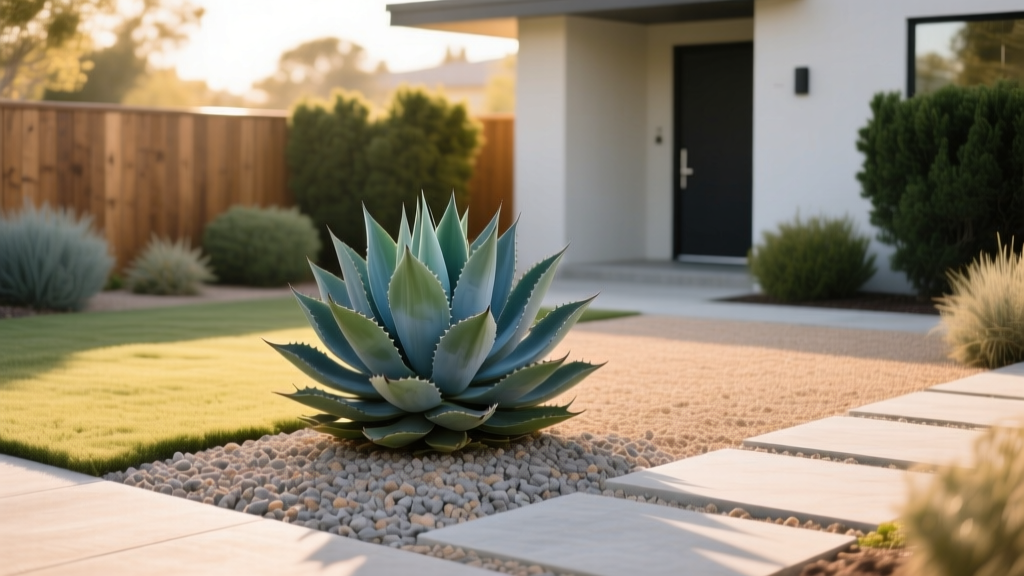
2026 Xeriscape Front Yards: Decomposed Granite & Agave Mulching
Lisa ThompsonPublished
The Evolution of Xeriscaping and Inorganic Mulching in 2026
As we navigate the landscaping trends and environmental regulations of 2026, the traditional American front lawn is rapidly becoming a relic of the past. With stringent water restrictions in place across the Sunbelt and Western states, homeowners and landscape architects are turning to sophisticated xeriscape designs that prioritize sustainability without sacrificing curb appeal. At the forefront of this movement is the strategic use of inorganic mulching materials, specifically decomposed granite (DG), paired with striking, drought-tolerant succulents like Agave.
According to the EPA's WaterSense program, outdoor water use accounts for nearly 30% of total household water consumption, with traditional turfgrass being the primary culprit. By transitioning to a xeriscape front yard utilizing decomposed granite as a mulching base and architectural agave as the focal point, homeowners can reduce their outdoor water usage by up to 70% while creating a modern, low-maintenance landscape that thrives in extreme heat.
Why Decomposed Granite is the Ultimate Xeriscape Mulch
When most people hear the word 'mulch,' they immediately think of shredded hardwood bark or pine needles. However, in a true xeriscape environment, organic wood mulches can actually be detrimental. Wood mulch retains moisture against the soil surface, which can lead to root rot in drought-adapted succulents. Furthermore, in wildfire-prone regions, organic mulches pose a significant fire hazard, leading many 2026 municipal codes to ban wood mulch within five feet of residential structures.
Decomposed granite, a naturally weathered rock that crumbles into a mixture of gravel, sand, and fine silt, solves these problems. When used as an inorganic mulch, DG provides several critical benefits:
- Superior Drainage: DG allows water to percolate rapidly into the soil, preventing the 'wet feet' that agave and other succulents despise.
- Thermal Regulation: The reflective properties of lighter DG shades help keep the root zone cooler during peak summer afternoons compared to dark river rock or black plastic weed barriers.
- Fire Resistance: As an inorganic, non-combustible material, DG meets the strictest 2026 defensible space requirements for fire-prone zones.
- Weed Suppression: When applied at the correct depth and paired with a high-quality geotextile fabric, DG creates a hostile environment for weed seed germination.
Selecting the Right Agave Varieties for 2026 Landscapes
The Agave genus offers incredible architectural diversity, making it the perfect companion for the textured, earthy tones of decomposed granite. When planning your front yard, it is crucial to select varieties that match your climate zone and spatial constraints. Consulting the UC Davis WUCOLS database is an excellent way to verify the precise water needs and regional suitability of these plants.
Top Agave Recommendations for Front Yards
- Agave attenuata (Foxtail Agave): A 2026 favorite for family-friendly yards. Unlike most agaves, it lacks terminal spines, making it safe for pathways and entryways. Its soft, silvery-green rosettes contrast beautifully with golden DG.
- Agave 'Blue Glow': A compact hybrid featuring striking blue-green leaves with glowing red margins. It stays relatively small (under 2 feet wide), making it ideal for modern, minimalist front yard grids.
- Agave americana 'Marginata': The classic century plant with vibrant yellow-edged leaves. This is a massive specimen that requires ample spacing (up to 6 feet in diameter) and serves best as a solitary focal point in a large DG expanse.
- Agave parryi (Artichoke Agave): Highly cold-tolerant and compact, forming tight, symmetrical rosettes that look like stone art sculptures emerging from the granite mulch.
Step-by-Step Installation: Prepping the Foundation
The longevity of your decomposed granite mulch bed depends entirely on the preparation work done beneath the surface. Skipping these steps will result in a muddy, weed-infested yard within a single season.
Step 1: Turf Removal and Grading
Remove all existing grass and organic topsoil to a depth of at least 3 inches. Grade the soil so that it slopes away from your home's foundation at a minimum drop of 1/4 inch per foot to ensure proper drainage.
Step 2: Soil Amendment for Succulents
Agave requires exceptionally well-draining soil. If your native soil is heavy clay, till in a 50/50 mix of crushed pumice and coarse builder's sand to a depth of 12 inches before laying your mulch.
Step 3: Installing the Geotextile Barrier
Lay down a commercial-grade, woven geotextile landscape fabric. Avoid cheap, solid black plastic sheeting, which traps water and creates anaerobic soil conditions. Overlap the fabric seams by at least 6 inches and secure them with heavy-duty steel landscape staples.
Step 4: Planting the Agave
Cut an 'X' into the fabric where each agave will be placed. Dig the hole, plant the agave slightly above grade (about 1 inch higher than the surrounding soil) to prevent crown rot, and fold the fabric flaps back around the base of the plant.
Mulching Methods: Applying and Stabilizing the Granite
For a xeriscape front yard, you cannot simply dump loose decomposed granite and expect it to stay put. Loose DG tracks into the house on shoes and washes away during heavy monsoon rains. In 2026, the industry standard is to use a DG stabilizer.
The 3-Inch Rule and Stabilization
Apply a 3-inch layer of 1/4-inch minus decomposed granite over the entire fabric surface. The 'minus' designation means it includes the fine dust particles necessary for binding. Once spread and leveled with a landscape rake, you must apply a stabilizer.
Liquid stabilizers, such as TerraKoat or Gator Dust, are mixed with water and sprayed over the compacted DG. These eco-friendly binders lock the granite particles together, creating a surface that feels like natural sandstone or concrete but remains 100% permeable. This prevents the 'kitty litter' effect and ensures your agave plants remain cleanly framed by a pristine, stone-like mulch bed.
2026 Material Cost & Comparison Chart
Understanding the financial investment of inorganic mulching is vital for budgeting your front yard transformation. Below is a comparison of common mulching materials based on average 2026 regional pricing and performance metrics.
| Mulch Material | Est. Cost per Sq. Ft. (Installed) | Water Permeability | Fire Resistance | Best Application |
|---|---|---|---|---|
| Stabilized Decomposed Granite | $2.50 - $3.75 | High | Excellent | Succulent beds, modern pathways |
| 3/4-inch River Rock | $2.00 - $3.00 | Moderate | Excellent | Dry creek beds, drainage swales |
| Shredded Hardwood Bark | $1.20 - $1.80 | High | Poor | Shaded, non-fire-zone garden beds |
| Crushed Lava Rock (Red/Black) | $3.00 - $4.50 | High | Excellent | High-heat desert landscapes |
Note: Prices fluctuate based on local quarry availability and regional freight costs. Stabilized DG requires a higher upfront material cost but eliminates the annual replenishment fees associated with organic wood mulches.
Long-Term Maintenance for DG and Agave Landscapes
One of the primary selling points of a decomposed granite and agave front yard is the drastic reduction in weekend chore time. However, 'low maintenance' does not mean 'no maintenance.' To keep your landscape looking pristine throughout 2026 and beyond, follow these simple upkeep protocols:
- Debris Removal: Use a leaf blower rather than a rake to remove fallen leaves and organic debris from the DG surface. Raking can disturb the stabilized crust and pull up the geotextile fabric.
- Pup Management: Many agave varieties produce offsets, or 'pups.' Decide early on whether you want a naturalized, clustered look or a strict, minimalist grid. If maintaining a minimalist design, use a sharp, sterilized spade to sever and remove pups annually.
- Stabilizer Reapplication: Depending on foot traffic and UV exposure, liquid DG stabilizers may need a light maintenance re-spray every 3 to 5 years to maintain their hardened, erosion-resistant surface.
- Weed Spot Treatment: While the fabric and DG suppress most weeds, wind-blown seeds may occasionally lodge in the crevices around the agave base. Pull these manually or use a targeted, eco-friendly horticultural vinegar spray before they establish deep taproots.
Conclusion
Designing a xeriscape front yard with decomposed granite and agave is a brilliant synthesis of form, function, and environmental stewardship. By treating DG not just as a hardscape pathway, but as a premium inorganic mulch, you create a resilient foundation that protects your soil and highlights the sculptural beauty of drought-tolerant succulents. As water conservation mandates continue to tighten in 2026, this sophisticated landscaping approach ensures your home remains compliant, sustainable, and undeniably stunning.

