Gardening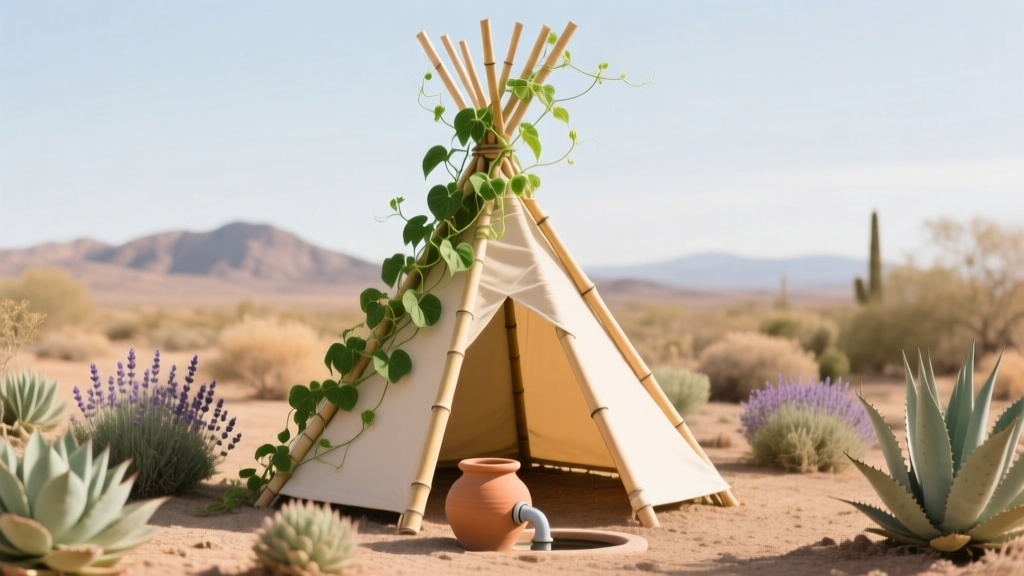
2026 Xeriscape Bamboo Bean Teepee Guide For Low-Water Gardens
David ParkPublished
The Rise of the Xeriscape Vegetable Garden in 2026
As we navigate the 2026 growing season, prolonged dry spells and strict municipal water restrictions have fundamentally shifted how we approach home food production. Traditional vegetable gardening, with its reliance on overhead sprinklers and water-intensive crops, is no longer viable in many climate zones. Enter xeriscaping—a landscaping philosophy that reduces or eliminates the need for supplemental irrigation. While often associated with succulents and gravel, xeriscape principles are highly effective when applied to vertical vegetable gardening.
Building a bamboo bean teepee specifically designed for low-water conditions is one of the most rewarding projects you can undertake this year. By combining sustainable, rot-resistant bamboo with drought-tolerant pole bean varieties and sub-surface irrigation techniques, you can produce a bountiful harvest while using a fraction of the water required by traditional bush beans. This comprehensive guide will walk you through the exact measurements, material selections, and construction techniques needed to build a drought-proof bean teepee in 2026.
Selecting Drought-Resilient Pole Beans
The success of a xeriscape teepee begins beneath the soil surface. Standard pole beans (Phaseolus vulgaris) often struggle when soil moisture fluctuates, leading to blossom drop and stunted pods. For a true low-water garden, you must select varieties with deep taproots and inherent heat tolerance.
- Tepary Beans (Phaseolus acutifolius): Native to the Sonoran Desert, tepary beans are the undisputed champions of drought tolerance. They thrive in hot, arid conditions and actually produce better yields with less water.
- Yardlong Beans (Vigna unguiculata subsp. sesquipedalis): Also known as asparagus beans, these vigorous climbers possess exceptional heat tolerance and require significantly less frequent watering than standard green beans.
- Heirloom Runner Beans (Phaseolus coccineus): While they prefer cooler roots, certain heirloom runner beans develop massive, deep root systems that can access sub-soil moisture once established.
2026 Low-Water Pole Bean Comparison Chart
| Bean Variety | Water Requirement | Heat Tolerance | Days to Harvest | Best Xeriscape Zone |
|---|---|---|---|---|
| Tepary Bean | Very Low | Exceptional | 80-90 Days | USDA Zones 8-11 |
| Yardlong Bean | Low to Moderate | High | 75-85 Days | USDA Zones 7-10 |
| Scarlet Runner | Moderate | Moderate | 65-75 Days | USDA Zones 5-8 |
| Good Mother Stallard | Low | High | 85-95 Days | USDA Zones 6-9 |
Sourcing and Preparing Bamboo Poles
Wooden stakes rot quickly when in contact with damp soil, and plastic PVC pipes contradict the ecological ethos of xeriscaping. Bamboo is the ideal structural material. It is incredibly strong, flexible, and renewable. In 2026, a bundle of ten 8-foot Tonkin cane (Arundinaria amabilis) or thick-walled Bambusa oldhamii poles typically retails between $45 and $65 from specialized online suppliers or local nurseries.
The Shou Sugi Ban Base Treatment
To prevent the buried ends of your bamboo poles from rotting, apply a modified Shou Sugi Ban (wood charring) technique. Using a propane torch, heavily char the bottom 12 inches of each pole until it is blackened and slightly alligatored. This carbonized layer becomes highly resistant to moisture, fungi, and soil-boring insects, extending the life of your teepee to a decade or more without the use of toxic chemical wood preservatives.
Step-by-Step Xeriscape Teepee Construction
Constructing a teepee for a xeriscape requires altering the topography of the planting bed to capture and retain every drop of rain and irrigation water.
Step 1: Excavate a Sunken Moisture Basin
Instead of building on a raised mound, dig a sunken basin. Excavate a circular area 4 feet in diameter and 4 to 6 inches deep. According to water conservation guidelines published by the University of California Agriculture and Natural Resources (UC ANR), sunken beds drastically reduce surface evaporation and channel ambient rainfall directly into the root zone.
Step 2: Position and Sink the Poles
Take six to eight 8-foot bamboo poles. Arrange them in a circle along the inner edge of your sunken basin, spacing them roughly 18 inches apart. Push the charred ends of the poles 6 to 8 inches deep into the soil. The 4-foot diameter base will result in a teepee that stands approximately 6.5 feet tall after tying.
Step 3: Lash the Apex
Gather the tops of the poles together. Use heavy-duty, biodegradable jute or hemp twine to secure the apex. A simple square lashing or tripod lash wrapped tightly in multiple directions will provide immense structural stability, capable of withstanding heavy monsoon winds and the weight of mature, fruit-laden vines.
Integrating Sub-Surface Olla Irrigation
Overhead watering is the enemy of the xeriscape garden; it promotes fungal diseases on bean foliage and loses massive amounts of moisture to evaporation. To irrigate your bean teepee efficiently, we utilize unglazed terracotta ollas.
An olla is a porous clay vessel buried in the soil and filled with water. The water slowly seeps through the clay walls via capillary action, drawn out only when the surrounding soil becomes dry. The USDA Natural Resources Conservation Service frequently highlights micro-irrigation and sub-surface watering as critical strategies for agricultural drought resilience.
Installing the Olla
- Select a 1-gallon to 2-gallon unglazed terracotta pot. Ensure it has no cracks.
- Plug the drainage hole at the bottom with a cork or a plug of food-grade silicone.
- Bury the olla in the exact center of your bamboo teepee, leaving the top 2 inches of the rim exposed above the soil line.
- Fill the olla with water and place a terracotta saucer or a flat stone over the top to prevent mosquito breeding and debris accumulation.
- As the pole bean roots grow, they will physically wrap around the buried clay pot, drawing moisture directly from the source with near-zero evaporation loss.
Mulching and Planting Geometry
Once your structure and irrigation are in place, the soil must be protected. Apply a 3-inch layer of coarse organic mulch—such as straw, shredded fall leaves, or arborist wood chips—over the entire sunken basin, keeping it an inch away from the base of the bamboo poles to prevent rot.
Planting the Seeds
Plant your drought-tolerant pole bean seeds directly into the soil, positioned halfway between the bamboo pole and the central olla. Plant seeds 1.5 inches deep. Place two to three seeds per pole. Once germinated, thin to the single strongest seedling per pole. The vines will naturally twine up the bamboo, creating a dense, living canopy that further shades the soil and reduces ambient soil temperatures during the peak heat of the 2026 summer.
Maintenance and Climate Resilience
Maintaining a xeriscape bean teepee is remarkably hands-off. Refill the central olla every 3 to 5 days, depending on your local temperatures and the size of the vessel. Because the water is delivered sub-surface, weed germination on the soil surface is severely limited, reducing competition for nutrients.
As climate models from the National Drought Mitigation Center continue to project increased variability in seasonal precipitation, adapting our gardening infrastructure is no longer optional—it is essential. By combining the ancient wisdom of terracotta ollas and sunken beds with the vertical efficiency of a bamboo teepee, you are future-proofing your food supply.
Conclusion
Building a xeriscape bamboo bean teepee is a masterclass in sustainable, low-water gardening. By selecting resilient tepary or yardlong beans, treating your bamboo for longevity, and utilizing sub-surface olla irrigation, you create a stunning garden focal point that defies drought. This 2026 season, transform your water restrictions into an opportunity for innovation, and enjoy a thriving, vertical harvest that respects both your time and the environment.
