
Landscaping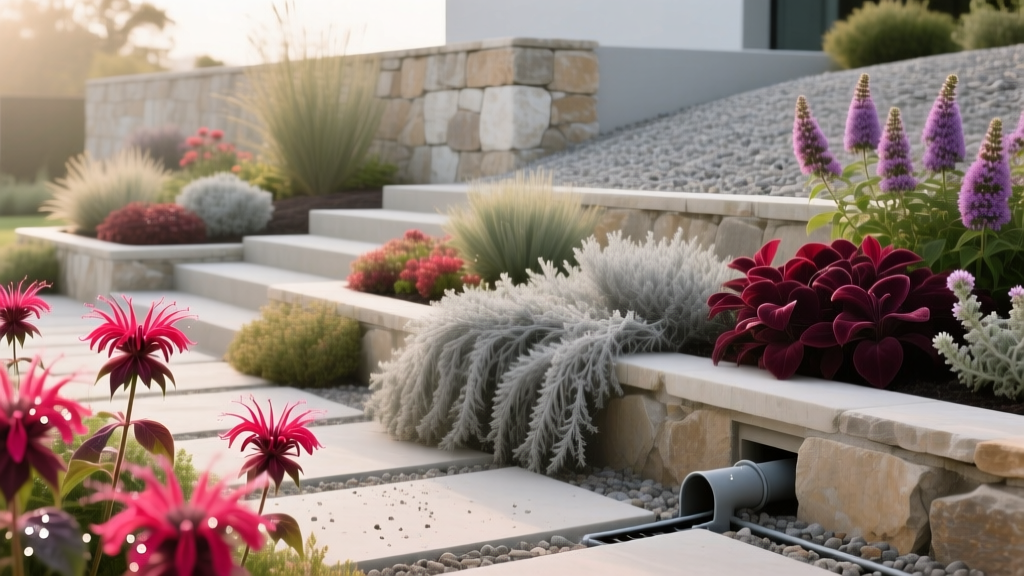
2026 Xeriscape Pollinator Garden: Bee Balm & Butterfly Bush
Anna KowalskiPublished
The 2026 Shift Toward Climate-Resilient Pollinator Havens
As of 2026, shifting climate patterns and increasingly stringent municipal water ordinances across the Sunbelt, Mountain West, and coastal regions have transformed xeriscaping from a niche landscaping trend into an absolute necessity. However, modern homeowners are refusing to sacrifice ecological value for water conservation. The challenge lies in merging the vibrant, life-sustaining benefits of a pollinator garden with the strict water budgets of a xeriscape design. According to the Xerces Society for Invertebrate Conservation, habitat loss and drought stress are primary drivers of pollinator decline, making drought-tolerant, nectar-rich gardens more critical than ever.
Traditionally, staple pollinator plants like butterfly bush (Buddleja) and bee balm (Monarda) have been viewed with skepticism in low-water landscapes. Older cultivars of butterfly bush can be highly invasive and thirsty, while traditional bee balm often demands consistent moisture and falls victim to powdery mildew in dry, stagnant air. Fortunately, advanced horticultural breeding and a deeper understanding of xeriscape principles have completely rewritten the rules. By selecting specific sterile, deep-rooted cultivars and employing strategic hydrozoning, you can cultivate a thriving, low-water bee balm and butterfly bush garden that supports local ecosystems without breaking your 2026 water budget.
Selecting Drought-Tolerant, Non-Invasive Cultivars
The foundation of any successful xeriscape pollinator garden is plant selection. You must choose varieties that naturally thrive in lean, well-draining soils and possess deep taproots capable of foraging for subterranean moisture once established.
The Best Low-Water Butterfly Bushes (Buddleja)
In 2026, planting fertile Buddleja davidii is heavily discouraged—and outright banned in several states—due to its aggressive self-seeding in riparian zones. Instead, xeriscape designers exclusively utilize sterile, dwarf, or semi-dwarf cultivars. These varieties not only prevent ecological disruption but also require significantly less water and maintenance.
- ‘Blue Chip Jr.’: This sterile, compact cultivar rarely exceeds 30 inches in height and width. Its continuous blooming habit from early summer to the first frost provides a reliable nectar source. Because of its smaller stature, it requires less overall water volume to sustain its foliage compared to towering legacy varieties.
- Lo & Behold® ‘Ruby Chip’: Another sterile powerhouse, this variety offers vibrant magenta-pink blooms. Its dense, mounding habit makes it an excellent anchor for the middle of a xeriscape border, and its deep root system allows it to withstand prolonged dry spells once mature.
- ‘Miss Violet’: Reaching about 4 to 5 feet, this sterile variety offers striking purple flowers. It thrives in full, baking sun and requires minimal supplemental irrigation after its first establishment year.
Xeriscape-Friendly Bee Balm (Monarda) Varieties
Bee balm is a magnet for hummingbirds, native bees, and swallowtail butterflies. However, the classic scarlet bee balm (Monarda didyma) prefers moist, rich woodland edges. For a low-water landscape, we must pivot to prairie-native species and modern, mildew-resistant hybrids.
- Wild Bergamot (Monarda fistulosa): This is the undisputed champion of the xeriscape pollinator bed. Native to dry prairies and rocky slopes, it thrives in poor, dry soils and produces lavender-pink tubular flowers that native bees adore. It is exceptionally drought-tolerant and requires zero supplemental water once established in most climates.
- ‘Leading Lady Plum’: A hybrid marvel that stays under 14 inches tall. It forms a tight, uniform clump that resists powdery mildew—a common issue when drought-stressed plants are placed in poor airflow zones. Its dark plum-purple flowers bloom heavily in early summer.
- ‘Jacob Cline’: While slightly taller and more vigorous, ‘Jacob Cline’ boasts excellent mildew resistance and brilliant red flowers. When planted in a low-water zone with adequate spacing for air circulation, it adapts well to infrequent, deep watering schedules.
Hydrozoning and Soil Preparation
A core tenet of xeriscaping, as outlined by the Colorado State University Extension, is hydrozoning—the practice of grouping plants with similar water and sunlight requirements together. Sterile butterfly bushes and prairie-native bee balms belong in the "moderate" to "low" water zones. They require regular, deep watering during their first growing season to establish their root systems, but in subsequent years, they should only receive water during extended droughts.
Soil preparation for these plants runs counter to traditional gardening instincts. Do not amend your native soil with heavy compost or rich peat moss. Bee balm and butterfly bush prefer lean, well-draining, slightly alkaline to neutral soils. If your soil is heavy clay, amend it with expanded shale, pumice, or coarse grit to improve drainage. Poorly draining soil that holds water will rot the roots of xeriscape plants, even if you never turn on your irrigation system.
Xeriscape Companion Planting Matrix
To create a continuous bloom cycle and a diverse habitat, pair your Monarda and Buddleja with other low-water companions. The National Wildlife Federation emphasizes that diverse plant structures provide essential shelter and varied nectar sources for different pollinator species. Below is a recommended companion matrix for your 2026 garden design:
| Plant Name | Botanical Name | Water Need (Established) | Bloom Season | Primary Pollinator Benefit |
|---|---|---|---|---|
| Wild Bergamot | Monarda fistulosa | Very Low | Mid-Summer | Native sweat bees, bumblebees |
| ‘Blue Chip Jr.’ | Buddleja hybrid | Low | Summer to Frost | Monarchs, painted ladies, hummingbirds |
| ‘Moonshine’ Yarrow | Achillea ‘Moonshine’ | Very Low | Early to Mid-Summer | Syrphid flies, parasitic wasps |
| ‘Blue Fortune’ Anise Hyssop | Agastache ‘Blue Fortune’ | Low | Mid-Summer to Fall | Native bees, migrating butterflies |
| ‘Autumn Joy’ Sedum | Hylotelephium ‘Herbstfreude’ | Very Low | Late Summer to Fall | Late-season nectar foraging bees |
Efficient Irrigation and Mulching Techniques
Even drought-tolerant pollinator gardens require strategic irrigation during their establishment phase and during peak summer heatwaves. Overhead sprinklers are the enemy of xeriscaping; they waste water to evaporation and wet the foliage of bee balm, inviting powdery mildew.
Instead, install a subsurface or surface drip irrigation system. In 2026, smart drip kits equipped with soil moisture sensors are widely available and highly affordable (averaging $60 to $90 for a standard 100-square-foot bed). Use 0.5 Gallons Per Hour (GPH) inline drip tubing, spacing the emitters 12 inches apart. Run the tubing directly over the root zones of your butterfly bush and bee balm. Connect the system to a smart Wi-Fi controller that adjusts watering schedules based on local hyper-local weather data and evapotranspiration (ET) rates.
Mulching is equally vital. Apply a 2-inch to 3-inch layer of organic mulch, such as shredded cedar or pine bark. Avoid gravel or river rock for these specific plants; while gravel is common in desert xeriscaping, organic mulch slowly breaks down, feeding the soil microbiome and helping the soil retain just enough moisture to support the heavy summer blooms of your Monarda and Buddleja without waterlogging the roots. Keep the mulch pulled back 2 inches from the main stems to prevent crown rot.
Seasonal Maintenance and Winterization
A xeriscape pollinator garden requires a different maintenance mindset than a traditional English cottage garden. In early spring, delay cutting back the dead stems of your bee balm and butterfly bush until you see new green growth emerging at the base. Many native bee species overwinter in the hollow, pithy stems of dead perennials. By leaving the stalks standing through the winter, you provide crucial habitat.
When you do prune in late spring, cut the butterfly bush back to about 12 to 18 inches to encourage vigorous, water-efficient new growth. For bee balm, thin out about one-third of the oldest stems at the base to improve air circulation, which is your best natural defense against fungal diseases in a low-water environment. Avoid synthetic fertilizers; they promote weak, sappy growth that requires more water and is highly susceptible to aphid infestations. If the plants look pale, a light top-dressing of compost in early spring is all they need.
By embracing sterile cultivars, native prairie species, and precise hydrozoning, your 2026 xeriscape pollinator garden will serve as a vibrant, low-maintenance sanctuary. You will conserve thousands of gallons of water annually while providing a critical lifeline for the bees, butterflies, and hummingbirds that sustain our broader ecosystem.

