Pest Control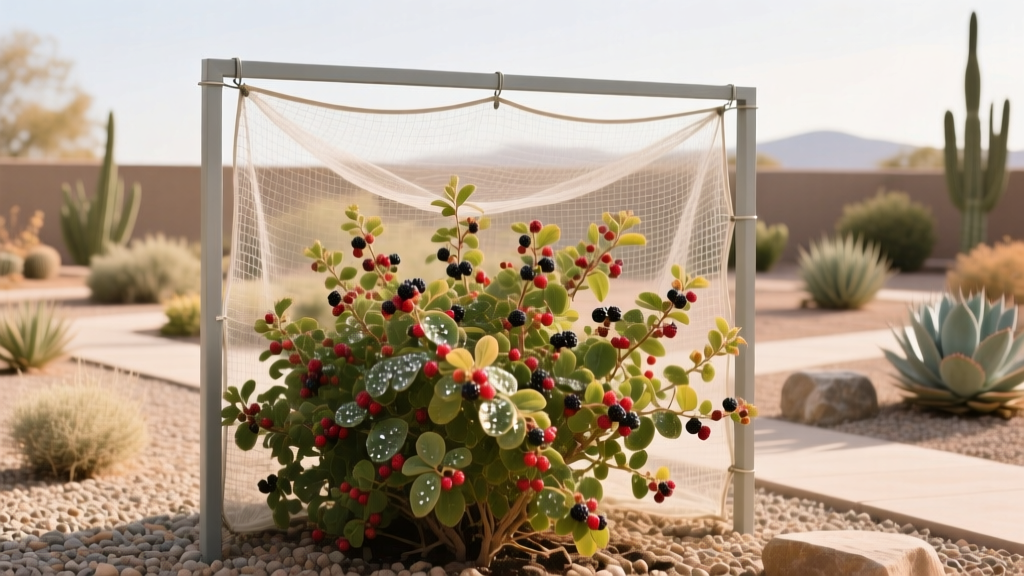
Protecting Xeriscape Berry Bushes With Netting 2026
Sarah ChenPublished
The Intersection of Xeriscaping and Berry Cultivation
When most homeowners think of xeriscaping and low-water landscaping, they envision succulents, ornamental grasses, and drought-tolerant groundcovers. However, as water conservation becomes a critical priority in 2026, many gardeners are turning to low-water fruit production. Shrubs like goji berries (Lycium barbarum), certain varieties of elderberry, and native desert-adapted berries thrive in arid conditions with minimal supplemental watering. Yet, cultivating these high-value, drought-resistant crops introduces a unique pest control challenge: avian foragers.
In a traditional, water-heavy landscape, birds have plenty of natural moisture sources and alternative food options. In a xeriscape, your berry bushes represent a concentrated oasis of hydration and sugar. As a result, local bird populations will zero in on your low-water harvest with devastating efficiency. To protect your investment without compromising the ecological balance or water-saving principles of your garden, physical barriers are the undisputed champions of Integrated Pest Management (IPM).
Why Physical Barriers Win in Low-Water Landscapes
Integrated Pest Management emphasizes sustainable, long-term solutions that minimize environmental impact. Chemical bird repellents are largely ineffective, require frequent reapplication, and can wash into your carefully managed drip irrigation zones, potentially disrupting the soil microbiome. Furthermore, the EPA WaterSense program strongly advises against introducing unnecessary chemical runoff into water-wise landscapes.
Bird netting provides a highly effective, non-toxic, and reusable physical barrier. When installed correctly over a supportive frame, netting protects the fruit while allowing sunlight, rain, and pollinators to reach the plant. According to Penn State Extension, properly installed netting is the single most reliable method for preventing bird damage to small fruit crops, making it an essential tool for the modern xeriscape gardener.
Choosing the Right Bird Netting for 2026
Not all netting is created equal, especially in the harsh, high-UV environment of a xeriscape garden. Xeriscapes are deliberately designed to maximize sun exposure and minimize shade, meaning your netting will face intense ultraviolet degradation. In 2026, the industry standard for durable garden netting has shifted heavily toward UV-stabilized, knitted High-Density Polyethylene (HDPE).
Avoid cheap, extruded polypropylene nets. These are often sold as lightweight bird netting at big-box stores, but they become brittle and shatter after a single season of intense sun exposure. Additionally, extruded nets tend to snag and tear when dragged across the rough, woody branches of mature berry bushes.
| Material | UV Resistance | Lifespan | Xeriscape Suitability | 2026 Avg Cost (per sq ft) |
|---|---|---|---|---|
| Extruded Polypropylene | Low | 1-2 Years | Poor (degrades in high sun, snags easily) | $0.08 - $0.12 |
| Knitted HDPE | High | 5-8 Years | Excellent (breathable, durable, won't unravel) | $0.15 - $0.25 |
| Stainless Steel Mesh | N/A | 20+ Years | Good (but high heat retention can scorch leaves) | $1.50 - $3.00 |
For xeriscape applications, knitted HDPE with a mesh size of 1/2 inch to 3/4 inch is ideal. This size excludes even the smallest finches while preventing the entanglement of larger birds, a critical consideration highlighted by the National Audubon Society.
Building a Xeriscape-Friendly Support Frame
Never drape netting directly over your berry bushes. Direct draping traps birds against the foliage, damages the delicate new growth of your shrubs, and makes harvesting a frustrating nightmare. Instead, build a dedicated support frame. In a xeriscape, your frame must also integrate seamlessly with your low-water hardscaping and mulching strategies.
Step 1: Sizing and Material Selection
Measure the mature spread of your berry bush. For a standard 4x4 foot goji berry or elderberry shrub, construct a frame that is at least 5x5 feet at the base and 6 feet tall. Schedule 40 PVC pipe is the material of choice for 2026. It is lightweight, impervious to rot, and easily bends into arches. Cut four 10-foot lengths of 1/2-inch PVC. Drive 2-foot pieces of 1/2-inch rebar into the ground at the four corners of your planting zone, leaving 6 inches exposed. Slide the PVC pipes over the rebar to create a sturdy, domed hoop house structure.
Step 2: Integrating Drip Irrigation
Xeriscaping relies on precision drip irrigation to deliver water directly to the root zone while keeping the surface dry to prevent weed growth and evaporation. Before securing your netting, ensure your drip lines are routed inside the frame. Use pressure-compensating drippers placed at the base of the shrub. Route the main poly tubing along the outside of the rebar stakes, and use waterproof tape to seal the entry point where the tubing passes under the netting. This ensures your low-water delivery system remains uninterrupted and protected from UV exposure.
Step 3: Securing the Netting in Arid Soils
One of the biggest challenges in xeriscape netting installation is securing the edges. Traditional wire ground staples fail in the compacted, rocky, or clay-heavy soils typical of low-water landscapes. Instead of fighting the soil, use the xeriscape aesthetic to your advantage. Drape the HDPE netting over the PVC frame, ensuring it reaches the ground on all sides. Create a shallow trench around the perimeter of the frame, lay the excess netting into the trench, and backfill it with heavy river rock, pea gravel, or decomposed granite. This gravel anchor method creates an impenetrable seal against ground-foraging birds and rodents, while perfectly matching your water-wise mulch layer.
Maintenance, Winterization, and Ecological Safety
Even the best IPM strategies require seasonal maintenance. In late autumn, after the harvest is complete and the shrubs enter dormancy, remove the HDPE netting. While knitted HDPE is UV resistant, leaving it exposed to harsh winter winds and freezing temperatures will unnecessarily shorten its lifespan. Fold it neatly and store it in a dry, shaded location like a garden shed or garage.
During the growing season, perform a weekly perimeter walk of your netted berry bushes. Check for any gaps where the gravel may have shifted, and inspect the netting for snags or holes. Most importantly, check for trapped wildlife. If a snake, lizard, or bird becomes caught in the mesh, gently cut the netting to free the animal rather than pulling them out, which can cause severe injury.
By combining the water-saving principles of xeriscaping with the physical pest exclusion of HDPE bird netting, you create a resilient, highly productive garden ecosystem. In 2026, as we continue to adapt our landscaping practices to a changing climate, mastering these low-water, high-yield pest control techniques ensures that your drought-tolerant berry harvest remains exclusively yours.