Pest Control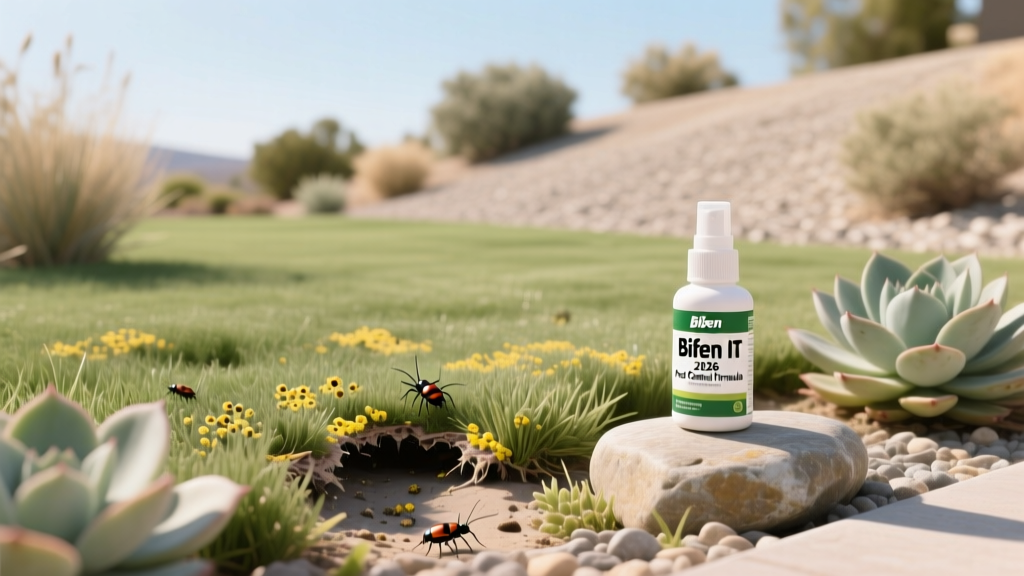
Xeriscape Chinch Bug Damage ID and Bifen IT 2026 Guide
Sarah ChenPublished
The Xeriscape Dilemma: Drought Stress vs. Chinch Bug Damage
As we navigate the 2026 landscaping season, severe water restrictions across the Sunbelt have made xeriscaping and low-water turfgrasses more vital than ever. Homeowners are increasingly turning to drought-tolerant grasses like Zoysia, Buffalo grass, and resilient St. Augustine cultivars. However, low-water landscaping introduces a unique pest control challenge: distinguishing between environmental drought stress and the devastating feeding damage caused by the southern chinch bug (Blissus insularis).
Chinch bugs thrive in hot, dry conditions. In a traditional, heavily irrigated lawn, fungal pathogens often keep chinch bug populations in check. In a xeriscaped environment, the lack of overhead moisture creates the perfect breeding ground for these sap-sucking insects. They inject a salivary toxin into the grass blades while feeding, which clogs the plant's vascular system and causes rapid yellowing and browning. Because xeriscape lawns are already operating on the edge of their moisture limits, the resulting brown patches are almost universally misdiagnosed as simple drought stress. Overwatering in an attempt to 'green up' the lawn not only violates local 2026 water conservation ordinances but also fails to solve the underlying pest issue.
Comparison Chart: Drought Stress vs. Chinch Bug Damage
| Characteristic | Drought Stress in Xeriscapes | Chinch Bug Damage |
|---|---|---|
| Pattern of Browning | Uniform across the lawn or in high-exposure areas | Irregular patches, often starting near sidewalks or driveways |
| Grass Blade Appearance | Blades fold or roll inward to conserve moisture | Blades remain flat but turn yellow, then reddish-brown |
| Soil Condition | Dry, hard, and cracked throughout the root zone | Soil may be dry, but damage persists even after light irrigation |
| Presence of Insects | None directly associated with the browning | Small black/white adults or red nymphs at the soil-thatch interface |
Identifying the Culprit in Low-Water Turf
Before reaching for chemical controls, proper identification is a cornerstone of Integrated Pest Management (IPM). According to the Clemson University Home & Garden Information Center, chinch bugs are most active at the soil surface and within the thatch layer. In xeriscaped lawns, the thatch layer can become hydrophobic (water-repellent), providing a dry, insulated haven for nymphs and adults.
The Tin Can Flotation Test
To confirm an infestation without damaging your water-wise landscape, perform the classic tin can test. Remove both ends of a metal coffee can, push it two inches into the soil at the margin of a brown patch, and fill it with water. Wait for five minutes. If chinch bugs are present, they will float to the surface. Finding 20 to 25 bugs per square foot warrants immediate treatment.
Bifen IT (Bifenthrin) for Xeriscaped Lawns in 2026
When cultural controls and natural predators are overwhelmed, chemical intervention becomes necessary. Bifen IT, a widely available insecticide containing 7.9% bifenthrin, remains a top-tier choice for chinch bug eradication in 2026. Bifenthrin is a synthetic pyrethroid that disrupts the nervous system of insects, providing rapid knockdown and residual control for up to 30 days.
In 2026, a pint of Bifen IT typically retails between $45 and $55, treating up to 16,000 square feet at the standard chinch bug application rate. However, applying pyrethroids in a xeriscape requires specialized techniques to ensure efficacy without wasting precious water or harming the local ecosystem.
Application Rates and Watering-In Protocols
- Mixing Ratio: Mix 1 fluid ounce of Bifen IT per 1,000 square feet of lawn. Use a hose-end sprayer or a pump sprayer for even coverage.
- The Xeriscape Watering-In Challenge: Traditional advice dictates watering the lawn heavily after application to wash the chemical into the thatch. In a xeriscape, this is counterproductive. Instead, apply Bifen IT in the late evening when temperatures drop and natural dew begins to form.
- Use a Surfactant: Adding a non-ionic surfactant (0.5 ounces per gallon of mix) breaks the surface tension of the spray, allowing the bifenthrin to penetrate the dry, hydrophobic thatch layer without requiring a heavy post-application irrigation.
- Minimal Irrigation: If you must water in the product, apply no more than 0.1 inches of water—just enough to move the chemical off the grass blades and into the base of the plant where the bugs feed.
Environmental Safety and Xeriscape Best Practices
While Bifen IT is highly effective, it is highly toxic to aquatic life and beneficial pollinators. The National Pesticide Information Research Center (NPIC) emphasizes that pyrethroids bind tightly to soil particles, which reduces leaching but increases the risk of surface runoff during sudden rainstorms.
In xeriscaped yards, the soil is often compacted and dry, leading to deep cracking. Spraying directly into these cracks can expose subterranean beneficial organisms to the chemical. To mitigate this, ensure your lawn has a healthy, albeit thin, thatch layer to act as a biological filter. Never apply Bifen IT to blooming weeds like clover or dandelions that may be interspersed in your low-water lawn, as this will decimate local bee populations.
"In water-wise landscaping, every drop counts. By utilizing surfactants and timing applications with evening dew cycles, we can achieve sub-surface pest control without violating the core principles of xeriscaping." — 2026 IPM Guidelines for Arid Landscapes
Integrated Pest Management (IPM) for Dry Climates
Chemical sprays should only be one component of your 2026 pest control strategy. Long-term chinch bug prevention in xeriscapes relies on cultural practices that promote deep root growth and natural resilience.
- Mowing Height: Keep drought-tolerant grasses slightly higher (3 to 4 inches). Taller grass shades the soil, reducing surface temperatures and making the microclimate less hospitable to heat-loving chinch bugs.
- Thatch Management: While a thin layer of thatch protects the soil, more than half an inch of thatch in a dry lawn becomes a fortress for pests. Use a liquid biological dethatcher containing Bacillus subtilis to break down organic matter without the physical stress of mechanical raking.
- Beneficial Fungi: Incorporate the entomopathogenic fungus Beauveria bassiana into your seasonal maintenance. This organic biological control naturally infects and kills chinch bugs and thrives in the micro-habitats found at the base of xeriscaped turfgrasses.
- Soil Aeration: Core aeration in the spring relieves compaction, allowing the limited water you do apply to reach the root zone rather than pooling on the surface or running off into storm drains.
Conclusion
Managing chinch bugs in a xeriscaped lawn requires a delicate balance between aggressive pest eradication and strict water conservation. By learning to accurately distinguish between drought stress and insect damage, utilizing the tin can test, and applying Bifen IT with smart, low-water techniques like surfactant use and evening timing, you can protect your landscape. Embracing these advanced 2026 IPM strategies ensures your low-water oasis remains vibrant, healthy, and ecologically responsible all season long.