
Landscaping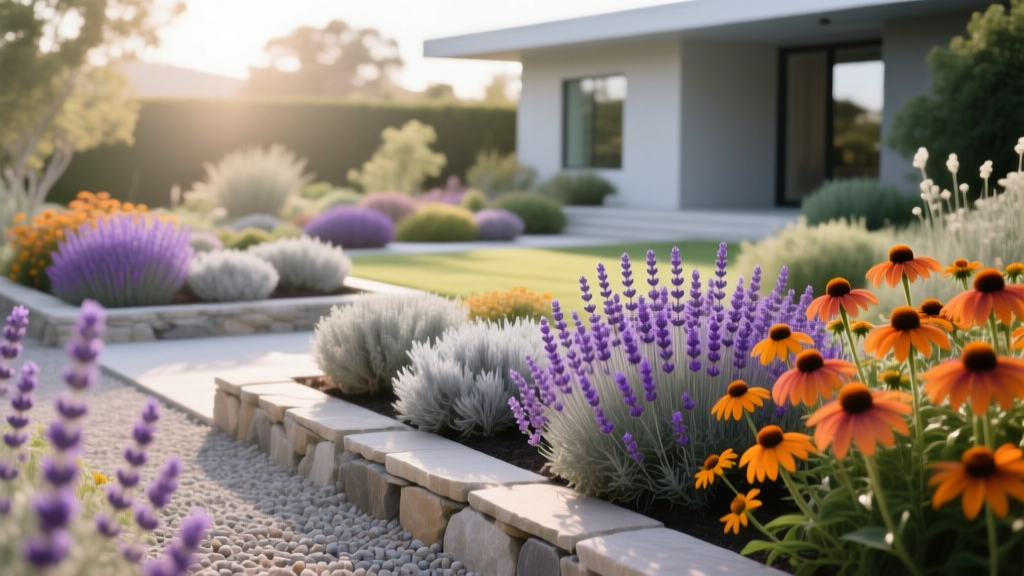
2026 Xeriscape Cottage Garden: Lavender & Coneflower Borders
David ParkPublished
The Evolution of the Cottage Garden in 2026
The traditional English cottage garden is famous for its romantic, overflowing borders, fragrant blooms, and relaxed, informal charm. However, the classic cottage garden was born in a damp, temperate climate with consistent rainfall. As we navigate the 2026 gardening season, shifting climate patterns and stricter municipal water restrictions have forced homeowners and landscape designers to rethink water-heavy plantings. The solution? The xeriscape cottage garden. By combining the lush, layered aesthetics of traditional cottage design with the water-saving principles of xeriscaping, you can achieve a breathtaking landscape that thrives on minimal irrigation.
Xeriscaping does not mean barren rock gardens or sterile desertscapes. According to the Colorado State University Extension, xeriscaping is a comprehensive approach to landscaping that reduces or eliminates the need for supplemental water from irrigation. When applied to cottage garden borders, this means selecting deep-rooted, drought-tolerant perennials that provide the same vertical structure, vibrant color, and pollinator-friendly habitat as traditional water-hogging plants. In 2026, the undisputed champions of the low-water cottage border are lavender (Lavandula) and coneflower (Echinacea).
Designing the Low-Water Cottage Border
To capture the essence of a cottage garden while adhering to xeriscape principles, you must focus on texture, color contrast, and layered planting. Traditional cottage gardens rely on a mix of heights and sprawling habits. Lavender provides a mounding, shrubby base with silvery-green foliage and cool purple spikes, while coneflowers offer sturdy, upright stems with large, daisy-like blooms in shades of magenta, coral, and gold.
The Principle of Hydrozoning
A critical step in any xeriscape project is hydrozoning—grouping plants with similar water needs together. Both lavender and coneflowers fall into the low-to-very-low water use categories once established. The University of California's WUCOLS database classifies these species as highly drought-tolerant, making them perfect companions. By planting them together in the same border bed, you eliminate the risk of overwatering your lavender while trying to keep a neighboring thirsty hydrangea alive.
Selecting the Best Lavender Varieties for Xeriscaping
Not all lavenders are created equal when it comes to extreme drought tolerance and humidity resistance. For the 2026 xeriscape cottage border, choose varieties that offer robust branching, intense fragrance, and resilience against erratic spring weather.
- Phenomenal Lavender (Lavandula x intermedia 'Phenomenal'): This is the gold standard for modern xeriscaping. It tolerates higher humidity and extreme cold better than older varieties. Its silvery foliage provides a stunning contrast to bright coneflowers, and it blooms reliably from early summer through early fall.
- Munstead English Lavender (Lavandula angustifolia 'Munstead'): A compact, classic choice that excels in well-draining, rocky soils. It is perfect for the front edge of the border or lining a walkway where its fragrance can be appreciated.
- Spanish Lavender (Lavandula stoechas): Best suited for warmer, frost-free zones (USDA Zones 8-10). It features unique 'rabbit ear' bracts and blooms earlier in the spring, providing an early food source for emerging native bees.
Choosing Coneflowers (Echinacea) for Vertical Drama
Coneflowers are native North American prairie plants, making them inherently adapted to periods of drought, poor soil, and intense summer heat. Their deep taproots allow them to access moisture far below the surface, a key trait for any successful low-water landscape.
- Purple Coneflower (Echinacea purpurea): The classic native species. It grows up to 4 feet tall, providing the necessary height and 'wild' look that defines a cottage garden. It is incredibly tough and requires virtually no supplemental water once established.
- PowWow Wild Berry: A compact, heavily branching variety that produces vibrant, deep rose-pink flowers. It blooms continuously without deadheading, saving you time and maintenance effort.
- Cheyenne Spirit: A multi-colored strain that produces flowers in shades of purple, pink, red, orange, and yellow. This variety adds the chaotic, joyful color palette that cottage gardens are famous for, all while maintaining strict drought tolerance.
Soil Preparation: The Secret to Xeriscape Success
The most common cause of failure in low-water landscaping is improper soil preparation. Lavender and coneflowers despise 'wet feet.' If your soil retains too much moisture, the lavender will succumb to root rot, and the coneflower crowns will rot during winter. According to the EPA WaterSense program, improving soil health and drainage is a foundational step in reducing outdoor water use.
For the 2026 planting season, skip the heavy organic composts like peat moss or manure, which act like sponges. Instead, amend your native soil with inorganic materials to improve drainage. Mix your existing soil with 30% expanded shale, pumice, or crushed gravel. This creates air pockets that allow water to drain rapidly while still giving the coneflower taproots room to penetrate deeply.
Planting Layout and Spacing Guide
To achieve the dense, overflowing look of a cottage garden without promoting fungal diseases, you must balance proximity with airflow. Plant your lavender and coneflowers in staggered, zigzag rows rather than rigid, straight lines. Place the taller coneflowers toward the back or center of the island bed, and position the mounding lavender toward the front and edges. This layering mimics natural growth patterns and ensures all plants receive adequate sunlight.
| Plant Variety | Mature Size (H x W) | Spacing Requirement | Water Needs (Established) | 2026 Avg. Nursery Price |
|---|---|---|---|---|
| Phenomenal Lavender | 24-30" x 36" | 30-36 inches | Very Low (Deep soak monthly) | $16 - $22 (1-Gallon) |
| Munstead Lavender | 12-18" x 24" | 18-24 inches | Low (Deep soak bi-weekly) | $12 - $16 (1-Gallon) |
| Purple Coneflower | 36-48" x 18" | 18-24 inches | Low (Rainfall usually sufficient) | $14 - $18 (1-Gallon) |
| PowWow Wild Berry | 18-24" x 16" | 14-18 inches | Low to Moderate | $15 - $20 (1-Gallon) |
Mulching Strategies for the Xeriscape Cottage Garden
Traditional cottage gardens often feature bare soil or organic wood chip mulch. In a xeriscape context, organic wood mulch can retain too much moisture against the woody base of the lavender, leading to stem rot. Furthermore, organic mulches break down and require annual replenishment, increasing long-term maintenance costs.
For 2026 xeriscape borders, the best mulching material is inorganic gravel. A 2-inch layer of decomposed granite, pea gravel, or crushed limestone serves multiple purposes. It suppresses weeds, reflects heat and light back up into the plant canopy (which Mediterranean plants like lavender adore), and allows rainwater to percolate instantly into the soil without trapping humidity against the foliage. When laying gravel, keep it a few inches away from the direct base of the coneflower crowns to prevent crown rot.
Smart Irrigation and Establishment
While the ultimate goal of xeriscaping is to eliminate the need for supplemental watering, newly planted perennials require consistent moisture during their first growing season to develop deep root systems. Drip irrigation is the most efficient method for establishing your cottage border. Install a 0.5 GPH (gallons per hour) drip emitter at the base of each plant. Water deeply but infrequently—aiming for one long soak per week rather than a light sprinkle every day. This encourages the roots to grow downward in search of moisture.
By the second year, you can reduce the drip irrigation to once every two weeks during the peak of summer. By year three, a well-designed lavender and coneflower border in most North American climates will survive entirely on natural rainfall, saving the average homeowner thousands of gallons of water annually and significantly reducing their 2026 municipal water bills.
Seasonal Maintenance for Long-Term Beauty
One of the greatest advantages of using lavender and coneflowers in a xeriscape design is their low maintenance requirements. However, a few targeted seasonal tasks will keep your cottage border looking vibrant and full.
- Spring Pruning: In early spring, before new green growth emerges, prune your lavender back by about one-third. Never cut into the old, woody, leafless stems, as lavender rarely regenerates from old wood. This keeps the plants compact and prevents them from becoming leggy and splitting open in the center.
- Summer Deadheading: While many modern coneflowers do not strictly require deadheading, snipping off faded blooms can encourage a second, lighter flush of flowers in late summer. Alternatively, leave the spent blooms on the plant; their architectural seed heads add structural interest to the garden and provide vital winter food for goldfinches and chickadees.
- Fall Cleanup: Resist the urge to aggressively clean up the border in late fall. The dried coneflower stalks and dormant lavender mounds provide overwintering habitat for native solitary bees and beneficial insects, supporting local biodiversity while adding a rustic, textured look to the winter landscape.
Conclusion
The xeriscape cottage garden proves that water conservation and lush, romantic landscaping are not mutually exclusive. By embracing the natural resilience of lavender and coneflowers, utilizing proper hydrozoning, and adopting inorganic mulching techniques, you can create a vibrant, pollinator-friendly border that stands up to the climate challenges of 2026 and beyond. This approach not only elevates your curb appeal but also aligns your outdoor space with sustainable, forward-thinking environmental stewardship.

