
Landscaping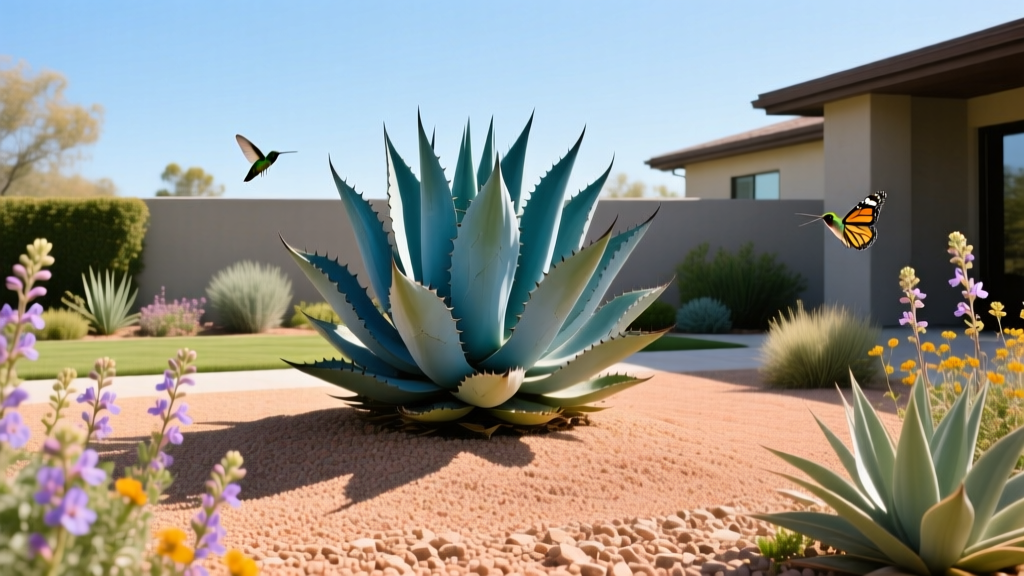
2026 Xeriscape Front Yard: Agave, DG & Pollinator Design
Sarah ChenPublished
The Evolution of Xeriscaping in 2026
As we navigate the landscaping trends of 2026, the definition of a beautiful front yard has fundamentally shifted. Homeowners are no longer forced to choose between drastic water conservation and vibrant ecological support. The modern xeriscape front yard is a thriving, low-water ecosystem. By combining the architectural brilliance of agave plants with the permeable, natural aesthetic of decomposed granite (DG), you can create a stunning curb appeal that actively supports local wildlife. However, designing a xeriscape specifically through a pollinator-friendly lens requires moving beyond the sterile 'rocks and cacti' mentality of the past decade. It demands an understanding of soil ecology, strategic plant pairing, and mindful hardscape installation.
Decomposed Granite: A Hardscape That Breathes
When planning a xeriscape front yard, the ground cover you choose dictates the health of the soil beneath it. Traditional concrete or solid pavers create impermeable barriers that cause water runoff and completely seal off the soil ecosystem. Decomposed granite, on the other hand, is a highly permeable material that allows rainwater and irrigation to infiltrate the soil profile, sustaining the deep roots of your drought-tolerant plants.
From a pollinator perspective, DG is vastly superior to plastic-sheeted rockscapes. According to The Xerces Society for Invertebrate Conservation, approximately 70% of native bee species are ground-nesting. These crucial pollinators require access to bare or lightly mulched soil to dig their nests and lay eggs. If you lay down a thick, impermeable plastic weed barrier beneath your DG, you effectively pave over their habitat. In 2026, best practices dictate using a woven, permeable geotextile fabric only in high-traffic walkway areas, while leaving dedicated 'bee banks' of loose, undisturbed native soil nestled between your agave plantings to support these vital ground-nesting populations.
Agave: The Architectural Pollinator Magnet
Agaves are the undisputed structural anchors of the xeriscape front yard. Their striking rosettes provide year-round visual interest with virtually zero supplemental water once established. But their true ecological value is revealed when they bloom. An agave flower spike can shoot up to 15 or 20 feet in the air, producing massive quantities of nectar-rich flowers that act as a beacon for specialized pollinators.
Research highlighted by the University of Arizona Cooperative Extension emphasizes the critical relationship between agave and nectar-feeding bats, particularly the lesser long-nosed bat, as well as hummingbirds and large moths. The towering bloom spikes provide a safe, high-visibility feeding station. Because agaves are monocarpic—meaning the mother plant dies after flowering—a pollinator-friendly design must account for this lifecycle by incorporating 'pups' (offsets) and strategic companion planting to ensure continuous nectar availability.
Top Agave Varieties for Pollinator Gardens
| Agave Variety | Mature Size | Bloom Height | Primary Pollinators Attracted | USDA Zones |
|---|---|---|---|---|
| Agave americana (Century Plant) | 6-10 ft wide | 15-25 ft | Bats, Hummingbirds, Moths | 8-11 |
| Agave parryi (Parry's Agave) | 2-3 ft wide | 10-15 ft | Hummingbirds, Native Bees | 7-10 |
| Agave deserti (Desert Agave) | 1-2 ft wide | 6-12 ft | Bats, Hummingbirds | 9-11 |
| Agave ovatifolia (Whale's Tongue) | 3-4 ft wide | 12-15 ft | Hummingbirds, Insects | 7-10 |
The Monocarpic Challenge: Companion Planting for Continuous Forage
Because an agave plant blooms once and then dies, relying solely on agave will leave your local pollinators without a food source for most of the year. A successful 2026 pollinator-friendly xeriscape utilizes the agave as a structural centerpiece, surrounded by a diverse understory of drought-tolerant, repeat-blooming companion plants. The National Wildlife Federation's Garden for Wildlife program stresses the importance of continuous bloom cycles to sustain pollinator populations through shifting seasons.
- Autumn Sage (Salvia greggii): Plant these 2-foot shrubs in the dappled shade provided by the agave's lower leaves. They bloom from spring through late fall, offering a vital nectar source for hummingbirds when the agave is not in flower.
- Desert Marigold (Baileya multiradiata): A cheerful, low-growing perennial that thrives in the reflected heat of the DG pathways. It provides essential pollen for native solitary bees from early spring to autumn.
- California Fuchsia (Epilobium canum): This late-summer bloomer is a hummingbird favorite. Its sprawling habit softens the hard, geometric edges of the decomposed granite pathways and agave spines.
- Penstemon (Penstemon palmeri): Palmer's penstemon offers tall, fragrant, pink-purple spikes that perfectly complement the agave's form while drawing in native mason bees and bumblebees.
Step-by-Step Installation: Building the DG and Agave Foundation
Executing this design requires precise preparation to ensure your pathways remain stable and your plants thrive without waterlogging. Follow these actionable steps for a professional-grade installation:
1. Grading and Excavation
Excavate your front yard to a depth of 5 to 6 inches in the pathway and hardscape zones. Ensure a slight 2% slope away from your home's foundation to manage rare but heavy monsoon or storm rainfalls. In the planting zones, loosen the native soil to a depth of 18 inches to encourage deep agave taproot establishment, but avoid adding heavy compost, which retains too much moisture and causes agave root rot.
2. Base Layer and Edging
Install heavy-duty steel or rigid poly landscape edging to separate the DG from your planting beds. This prevents the granite from migrating into your pollinator plant zones during heavy rains. Lay down a 2-inch base layer of 3/4-inch crushed gravel and compact it thoroughly with a mechanical plate compactor. This ensures proper drainage and prevents the DG from sinking over time.
3. Applying the Decomposed Granite
Spread a 3-inch layer of decomposed granite over the compacted base. For a pollinator-friendly approach, avoid using chemical soil sterilants. Instead, use an organic or natural polymer DG stabilizer (such as Gator Dust or a comparable 2026 eco-friendly binder). This binds the top layer of the DG to prevent it from tracking into your house or washing away, while still allowing the sub-layer to remain permeable for water infiltration and ground-nesting bee access at the margins.
4. Strategic Agave Placement
Plant your primary agave specimens at least 4 to 6 feet away from walkways and property lines. Their terminal spines are a hazard to pedestrians and pets. Position them on slight berms (mounds of soil 4-6 inches high) to guarantee rapid water runoff away from the plant's crown, mimicking their natural desert habitat.
2026 Cost Breakdown and Smart Irrigation
Budgeting for a xeriscape front yard requires understanding current material costs. In 2026, decomposed granite typically ranges from $85 to $120 per ton, depending on your region and the specific color blend (such as Sonoma Gold or Mojave Brown). A standard 500-square-foot front yard pathway requiring a 3-inch depth will need approximately 7 tons of DG, costing around $700 for the material. Mature, 15-gallon agave specimens range from $150 to $350 each, while 1-gallon companion pollinator plants average $12 to $18 each.
To ensure your newly installed pollinator garden survives its first critical year, install a smart, weather-based drip irrigation system. Modern 2026 controllers utilize local hyper-weather data to automatically adjust watering schedules, ensuring your companion salvias and penstemons receive exactly the deep, infrequent soaking they need without wasting a single drop. Once the agaves and native companions are established after 18 to 24 months, you can drastically reduce or entirely eliminate supplemental irrigation, leaving you with a breathtaking, ecologically vital front yard that sustains your local ecosystem for decades to come.

