
Landscaping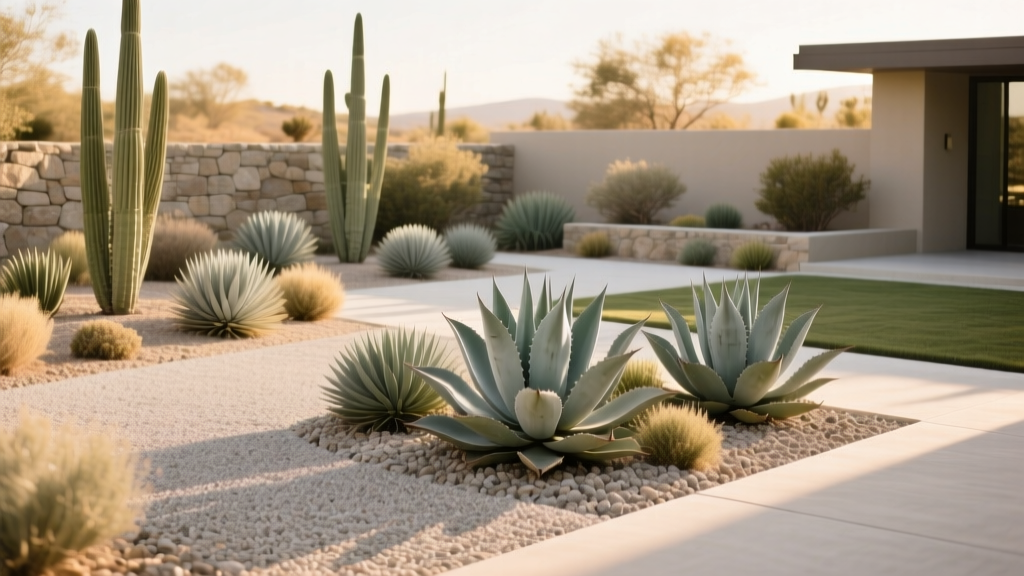
2026 Xeriscape Front Yards: Decomposed Granite & Agave Design Guide
David ParkPublished
The Rise of the Modern Xeriscape Front Yard in 2026
As we navigate the landscaping trends of 2026, water conservation remains at the absolute forefront of residential exterior design. With municipal water restrictions tightening across the Sun Belt, Southwest, and Western United States, homeowners are increasingly turning to xeriscaping to maintain stunning curb appeal without the ecological guilt or financial burden of traditional turfgrass. According to the EPA WaterSense program, outdoor water use accounts for nearly 30% of total household water consumption, a figure that strategic xeriscaping can drastically reduce.
Among the most striking and low-maintenance combinations gaining massive traction this year is the pairing of decomposed granite (DG) pathways and patios with architectural agave specimens. This design not only mimics the natural, rugged beauty of arid landscapes but also provides a highly functional, permeable surface that supports local groundwater recharge. By replacing thirsty lawns with this dynamic duo, homeowners are achieving modern, minimalist front yards that stand out in any neighborhood while drastically cutting their monthly utility bills.
Why Decomposed Granite and Agave?
Decomposed granite is the weathered, crumbled remains of solid granite rock. Unlike traditional rounded gravel or river rock, DG packs down firmly, creating a surface that feels almost like concrete but retains vital permeability. When mixed with a modern organic stabilizer, it resists erosion, prevents weed growth, and stops the aggregate from tracking into your home.
Agaves, on the other hand, are the undisputed sculptural kings of the low-water garden. Their striking rosettes of fleshy leaves provide year-round architectural interest, requiring virtually no supplemental water once established. The UC Davis WUCOLS database classifies most agave species in the 'Low' to 'Very Low' water use categories, making them perfect companions for the arid aesthetic of a DG yard. Together, the soft, earthy crunch of the granite contrasts beautifully with the sharp, bold geometry of the agave, creating a landscape that is both ecologically responsible and visually breathtaking.
Step-by-Step Installation Guide for 2026
1. Site Preparation and Weed Barrier
The success of a DG landscape relies entirely on the base preparation. Begin by excavating your front yard to a depth of 3 to 4 inches. Remove all existing turf, roots, and rocks. In 2026, landscaping professionals strongly recommend using a heavy-duty, woven geotextile fabric rather than cheap, non-permeable black plastic sheeting. Woven fabric allows water to percolate into the soil while aggressively blocking weeds. Overlap the seams by at least 6 inches and secure the fabric with landscape staples every 3 feet to prevent shifting during installation.
2. Laying and Compacting Decomposed Granite
For a front yard that withstands foot traffic, mail carriers, and pet paws, opt for a 1/4-inch minus DG mixed with a liquid or powder stabilizer. Spread the DG in 1.5-inch layers (known as lifts). After spreading each layer, mist it lightly with a garden hose—dampening it without creating puddles—and run a mechanical plate compactor over the surface. Repeat this process until you reach your desired depth of 3 inches. The compaction process interlocks the varied particle sizes, creating a firm, natural-looking surface that will not easily wash away during heavy monsoon rains.
3. Planting Agave and Companion Plants
When planting agave in a DG yard, it is crucial to elevate the root crown slightly above the surrounding granite level. Agaves are highly susceptible to crown rot if water pools around their base. Create small mounds or berms of well-draining soil, heavily amended with pumice or perlite, and plant the agave so the base sits an inch above the DG line. Top-dress the immediate planting area with larger, 3/4-inch decorative river rock to separate the agave's base from the finer DG, further preventing moisture retention against the plant's core.
Top Agave Varieties for Front Yard Xeriscapes
Selecting the right agave depends on your USDA hardiness zone and the specific microclimates of your front yard. Below is a comparison of the most popular agave varieties utilized by landscape architects in 2026.
| Agave Species | Mature Size | USDA Zones | Water Needs | Best Design Use |
|---|---|---|---|---|
| Agave americana (Century Plant) | 6 ft wide, 4 ft tall | 8-11 | Very Low | Large focal points, wide parkways |
| Agave attenuata (Fox Tail) | 4 ft wide, 3 ft tall | 9-11 | Low | Soft, spineless borders, modern groupings |
| Agave parryi (Artichoke Agave) | 2 ft wide, 2 ft tall | 7-10 | Very Low | Tight spaces, geometric clustering |
| Agave vilmoriniana (Octopus) | 4 ft wide, 3 ft tall | 9-11 | Low | Curving pathways, softening hardscapes |
2026 Cost Breakdown for a DG and Agave Front Yard
Budgeting for a xeriscape transformation requires an understanding of current material and labor rates. While the upfront costs can be higher than simply laying sod, the long-term savings on water bills and lawn maintenance yield a rapid return on investment. The Texas A&M AgriLife Extension notes that xeriscaping can reduce landscape water use by 50% to 75%, translating to hundreds of dollars in annual savings for the average homeowner.
| Material / Service | Estimated 2026 Cost | Notes |
|---|---|---|
| Decomposed Granite (1/4" Minus) | $65 - $95 per ton | Covers approx. 100 sq ft at 3" depth |
| Organic DG Stabilizer | $40 - $60 per gallon | Essential for high-traffic front yards |
| Woven Geotextile Fabric | $0.45 - $0.75 per sq ft | Do not skip this step |
| Mature Agave (15-gallon pot) | $120 - $250 each | Varies heavily by species and rarity |
| Professional Installation Labor | $8 - $14 per sq ft | Includes excavation, base prep, and planting |
Illuminating the Xeriscape: 2026 Lighting Trends
A front yard xeriscape does not lose its appeal when the sun goes down. In fact, the dramatic shadows cast by agave leaves make them ideal candidates for strategic uplighting. In 2026, low-voltage LED well lights and adjustable spotlights are the standard for illuminating architectural plants. Place a warm-white (2700K) LED spotlight about 18 inches from the base of larger specimens like Agave americana, angling it upward to cast striking, elongated shadows against your home's exterior.
For the decomposed granite pathways, use low-glare path lights spaced 8 to 10 feet apart. Because DG is highly reflective compared to dark wood mulch, you can use lower-lumen bulbs (around 100-150 lumens) to achieve a soft, moonlit effect that guides visitors to your front door without contributing to neighborhood light pollution. Incorporating smart-home integration allows you to adjust the brightness and scheduling of your landscape lighting directly from your smartphone, adapting to the shifting sunset times throughout the year.
Maintenance and Long-Term Care
While xeriscapes are famously low-maintenance, they are not no-maintenance. Over time, wind-blown seeds and organic debris can settle into the DG, creating a medium for weeds. In 2026, the best practice for DG maintenance is to use a stiff, natural-bristle broom or a battery-powered leaf blower to clear debris weekly. Avoid using metal rakes, which can scar the compacted surface and disrupt the stabilizer matrix.
Pest Prevention: The Agave Snout Weevil
Regarding the agaves, the most significant threat is the agave snout weevil. This destructive pest bores into the core of the plant, introducing bacteria that rapidly rots the agave from the inside out. Preventative treatment is essential. In early spring, apply a systemic insecticide containing emamectin benzoate as a soil drench. This 2026 standard of care protects your prized specimens without harming beneficial pollinators that visit the agave's towering bloom spikes later in the season.
Pruning and Pup Management
Agaves reproduce by sending out pups, or offsets, from their root systems. In a formal, minimalist DG front yard, an overabundance of pups can ruin the clean, architectural lines of the design. Use a sharp, sterilized spade to sever and remove pups annually. These offsets can be potted and sold or gifted, turning your landscape maintenance into a small side hustle or a way to share your sustainable gardening success with neighbors.
Conclusion
Designing a xeriscape front yard with decomposed granite and agave is a brilliant investment in your home's curb appeal and environmental footprint. By embracing the textures, forms, and resilient nature of these materials, you can create a striking, modern landscape that thrives in the climate of 2026 and beyond. With proper base preparation, strategic plant selection, and minimal seasonal maintenance, your front yard will remain a neighborhood showpiece for decades, all while conserving our most precious resource: water.

