
Landscaping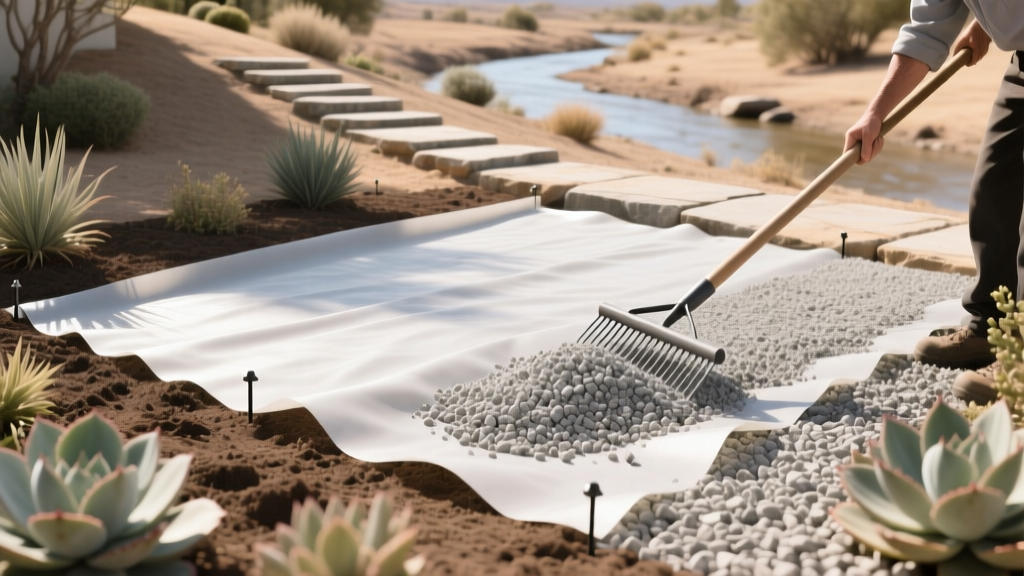
Best Xeriscape Mulch And Fabric Installation Guide 2026
Emily WatsonPublished
Introduction to Xeriscape Mulching in 2026
As we navigate the climate realities of 2026, prolonged drought conditions and stringent municipal water restrictions across the western and southern United States have pushed xeriscaping from a niche landscaping trend to an absolute necessity. Transitioning away from water-thirsty turfgrass is only the first step in creating a sustainable, low-water yard. The true secret to a thriving xeriscape lies beneath the surface: a properly engineered combination of permeable landscape fabric and strategic mulch installation. When executed correctly, this dual-layer system drastically reduces soil moisture evaporation, moderates root-zone temperatures, and suppresses aggressive weeds without suffocating the vital soil microbiome.
According to the EPA's WaterSense program, outdoor water use accounts for nearly 30% of total household water consumption, making low-water landscaping a critical environmental and economic priority in 2026. However, many homeowners make the costly mistake of using impermeable plastic sheeting beneath their xeriscape mulch, inadvertently creating a barren, hydrophobic environment that kills drought-tolerant plants. This comprehensive guide will walk you through the modern, scientifically backed methods for installing weed barriers and mulch in low-water landscapes this year.
The Role of Weed Barriers in Arid Landscapes
In traditional gardening, landscape fabric is often viewed merely as a weed-blocker. In a xeriscape, its role is far more complex. The primary goal of a xeriscape weed barrier is to separate the mulch layer from the native soil, preventing inorganic mulches like gravel from sinking into the dirt over time, while simultaneously allowing precious rainfall and drip irrigation to penetrate the earth.
According to Colorado State University Extension, the foundational principles of xeriscaping rely heavily on soil improvement and efficient mulching to reduce evaporation. If you use a solid plastic weed barrier, you violate the core tenet of water conservation by causing rainwater to sheet off the surface rather than percolating into the root zone. In 2026, the industry standard for xeriscaping is woven polypropylene geotextile fabric. This material features a grid-like structure that blocks sunlight from reaching weed seeds while maintaining a high flow rate for water and gas exchange, ensuring your native and adaptive plants can breathe and drink.
Selecting the Right Landscape Fabric for 2026
Not all weed barriers are created equal, and choosing the wrong one can ruin a xeriscape bed within a single season. Here is how the primary fabric types perform in low-water environments:
- Woven Geotextile (The 2026 Standard): Made from woven polypropylene, this fabric is incredibly durable, UV-resistant, and highly permeable. It typically costs between $0.45 and $0.75 per square foot in 2026. It is the undisputed best choice for inorganic xeriscape mulches like river rock and decomposed granite.
- Non-Woven Polypropylene: Often referred to as "felt" fabric, this is excellent for French drains and hardscape base stabilization but is generally too restrictive for surface water percolation in garden beds. Avoid using this directly under xeriscape mulch.
- Biodegradable Paper or Cardboard: While excellent for short-term organic weed suppression (sheet mulching), these materials break down within 12 to 18 months. They are not suitable for permanent inorganic xeriscape installations where gravel or stone is used.
- Black Plastic Sheeting: Never use solid plastic in a xeriscape. It traps heat, bakes plant roots, prevents rainwater penetration, and ultimately degrades into microplastics that ruin soil health.
Choosing Xeriscape Mulch: Inorganic vs. Organic
Once your permeable fabric is selected, you must choose a mulch that complements your region's climate and your specific plant palette. UC Agriculture and Natural Resources emphasizes that mulch selection in sustainable landscapes must balance water retention, heat reflection, and aesthetic longevity.
Inorganic Mulches (Stone and Gravel)
Inorganic mulches are the hallmark of traditional xeriscaping. They do not break down, meaning they rarely need replacement, and they reflect solar radiation, keeping the soil cooler in desert environments. Decomposed Granite (DG): A highly popular choice for 2026, DG packs tightly to create a natural, desert-like crust that resists wind displacement. Regional pricing in 2026 averages $80 to $110 per ton installed. River Rock and Cobble: Excellent for dry creek beds and rain gardens. Because the stones are larger, they allow maximum water permeability but offer less weed suppression than finer gravels.
Organic Mulches (Wood and Bark)
Organic mulches are increasingly favored in "soft" xeriscapes that feature drought-tolerant shrubs and native perennials. As they slowly decompose, they add organic matter to the soil, which acts like a sponge, vastly improving the soil's native water-holding capacity. Shredded Cedar or Redwood: These interlock beautifully, resisting wind and water washout. They provide excellent insulation but will need a 1-inch top-dressing every two to three years. Arborist Chips: Often available for free from local tree services, these are an incredibly sustainable, budget-friendly option that excels at retaining soil moisture in low-water garden beds.
Step-by-Step Installation Guide
Proper installation is critical to ensuring your xeriscape remains low-maintenance and water-efficient for decades. Follow these precise steps for a professional-grade result.
Step 1: Soil Preparation and Grading
Remove all existing turfgrass and deep-rooted perennial weeds. Amend your native soil with a 2-inch layer of high-quality compost to improve its water-retention capabilities. Grade the soil so it slopes gently away from your home's foundation at a minimum drop of 2% to ensure proper drainage.
Step 2: Install Drip Irrigation
In a modern xeriscape, overhead spraying is obsolete. Lay out your drip irrigation lines directly on top of the prepared soil. Use pressure-compensating emitters tailored to the specific water needs of your chosen drought-tolerant plants. Leaving the drip lines on top of the soil (and beneath the fabric) makes future leak detection and repairs significantly easier.
Step 3: Roll and Secure the Woven Geotextile
Roll out your woven polypropylene fabric over the soil and drip lines. Where two pieces of fabric meet, overlap them by at least 6 inches to prevent weeds from exploiting the gap. Secure the fabric using 6-inch galvanized steel landscape pins, placing them every 2 feet along the seams and every 4 feet in the center of the rolls. For existing plants, cut an "X" into the fabric, fold the flaps back around the plant stem, and pin them securely.
Step 4: Apply the Xeriscape Mulch
Spread your chosen mulch evenly over the fabric using a steel landscape rake. Depth is crucial: for organic wood mulches, apply a 2 to 3-inch layer. For inorganic gravel or decomposed granite, apply a 3 to 4-inch layer. Do not pile mulch against the trunks of trees or the crowns of shrubs, as this traps moisture and invites fungal rot; maintain a 3-inch "mulch-free halo" around plant bases.
2026 Xeriscape Mulch Comparison Chart
| Mulch Material | Water Permeability | Heat Reflection | Weed Suppression | 2026 Avg. Cost (Installed) |
|---|---|---|---|---|
| Decomposed Granite | High | Medium | Excellent | $85 - $110 / ton |
| 3/4" Crushed Gravel | Very High | High | Good | $70 - $95 / ton |
| Shredded Cedar Bark | Medium | Low (Insulates) | Very Good | $55 - $75 / cubic yard |
| Large River Cobble | Maximum | High | Poor (Gaps allow weeds) | $120 - $150 / ton |
Long-Term Maintenance and Care
While xeriscapes are marketed as "low-maintenance," they are not "no-maintenance." Over time, wind-blown dirt, pollen, and decomposing leaves will accumulate on top of your landscape fabric, creating a thin layer of topsoil that can harbor weed seeds. In 2026, the most effective way to maintain a pristine gravel xeriscape is to use a high-powered outdoor leaf blower on a low setting every few weeks during the spring and fall to remove organic debris before it can break down into soil.
If weeds do manage to take root in the debris layer above the fabric, pull them immediately while their root systems are shallow. Avoid using broad-spectrum chemical herbicides, as these can degrade the polypropylene fibers of your woven fabric over time and disrupt the fragile local ecosystem. By combining premium woven geotextile fabrics with the correct depth of inorganic or organic mulch, your 2026 xeriscape will remain a stunning, water-wise oasis for years to come, significantly reducing your outdoor water footprint while boosting your property's curb appeal.

