Pest Control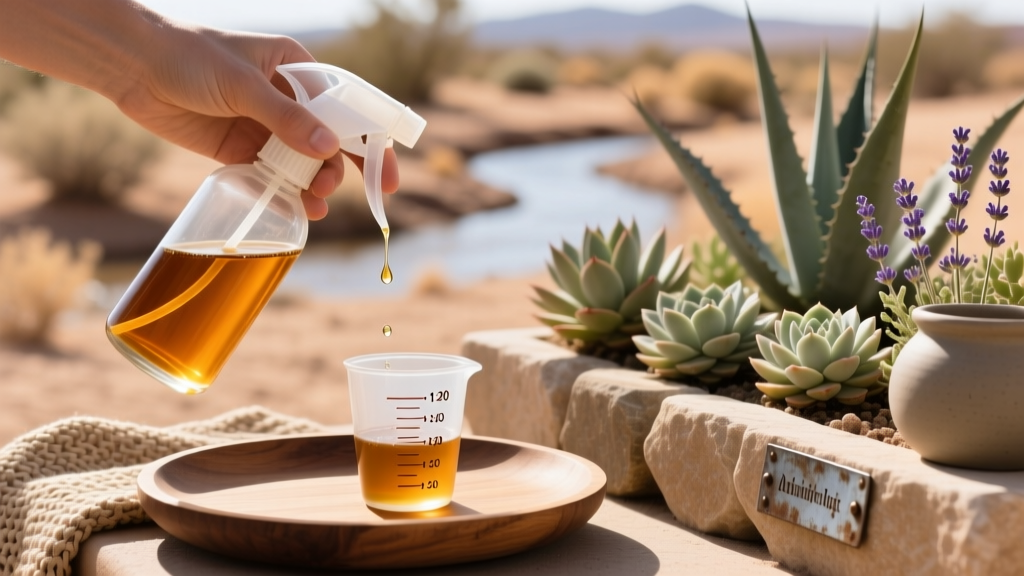
Xeriscape Neem Oil Mixing Ratios & Spray Schedules 2026
Robert HayesPublished
Xeriscape Pest Control: The Neem Oil Challenge in 2026
As municipal water restrictions tighten across the country in 2026, xeriscaping and low-water landscaping have evolved from regional necessities to mainstream horticultural standards. Homeowners are increasingly replacing thirsty turfgrass with drought-tolerant agave, yucca, lavender, sedum, and native ornamental grasses. However, a common misconception is that low-water plants are immune to pest infestations. In reality, xeriscape plants face unique pest pressures, including mealybugs, scale insects, and spider mites, which thrive in the hot, dry microclimates typical of water-wise gardens.
Integrated Pest Management (IPM) in a xeriscape requires a delicate touch. Neem oil, derived from the seeds of the neem tree (Azadirachta indica), remains one of the most effective organic pesticides available. Its active compound, azadirachtin, disrupts the life cycle of pests at all stages. Yet, applying standard neem oil foliar sprays to drought-stressed or waxy succulents can lead to severe phytotoxicity (plant burn). To protect your low-water investment this year, you must master the precise neem oil concentrate mixing ratios and foliar spray schedules tailored specifically for xeriscape environments.
Why Xeriscape Plants React Differently to Neem Oil
Most drought-tolerant plants have evolved specialized defenses to retain moisture. Succulents and cacti feature a thick, waxy outer layer known as a 'bloom' or cuticle, while Mediterranean herbs like rosemary and lavender possess narrow, oil-rich leaves. When standard, heavy-duty horticultural oils or improperly mixed neem oil are applied to these surfaces, the oil can strip the protective bloom, clog the plant's stomata (pores), and trap heat. If a xeriscape plant is already experiencing drought stress—a common occurrence in low-water landscapes—its ability to metabolize and recover from oil-based sprays is severely compromised, leading to scorched, necrotic foliage.
Exact Neem Oil Concentrate Mixing Ratios for Low-Water Plants
The golden rule for xeriscaping in 2026 is 'less is more.' While a standard vegetable garden might tolerate a mixing ratio of 2 tablespoons of cold-pressed neem oil concentrate per gallon of water, low-water landscapes require a significantly diluted approach. Furthermore, because oil and water do not naturally mix, an emulsifier is strictly required to prevent the neem oil from pooling on the surface and burning the plant tissue.
| Xeriscape Plant Category | Neem Concentrate Ratio (Per 1 Gallon) | Emulsifier (Liquid Castile Soap) | Application Notes |
|---|---|---|---|
| Succulents, Cacti, & Agave | 1 Teaspoon (5 ml) | 1/2 Teaspoon | Preserves waxy bloom; apply only at dusk. |
| Woody Xeriscape Shrubs (e.g., Texas Ranger, Lantana) | 1 Tablespoon (15 ml) | 1 Teaspoon | Target undersides of leaves; avoid flower blooms. |
| Mediterranean Herbs (Lavender, Rosemary) | 1.5 Teaspoons (7.5 ml) | 3/4 Teaspoon | Do not spray during active flowering to protect pollinators. |
| Native Ornamental Grasses | 1 Tablespoon (15 ml) | 1 Teaspoon | Use a fine mist nozzle to ensure even coverage without runoff. |
Step-by-Step Emulsification and Mixing Guide
Creating a stable neem oil emulsion is critical for the safety of your xeriscape plants. If the oil separates in your sprayer, the first few pumps will deliver pure water, while the final pumps will deliver concentrated oil that will instantly burn your drought-tolerant foliage.
- Warm the Water: Fill your pump sprayer with one gallon of warm water (between 70°F and 85°F). Cold water causes neem oil to solidify and clump, while hot water degrades the azadirachtin.
- Add the Emulsifier First: Add the measured amount of mild liquid castile soap or a dedicated horticultural silica spreader to the water. Agitate gently to create a soapy base.
- Incorporate the Neem Concentrate: Pour the cold-pressed, 100% pure neem oil concentrate into the soapy water. Never use 'ready-to-use' neem sprays for xeriscapes, as their proprietary surfactant ratios are often too harsh for succulents.
- Shake Vigorously: Seal the sprayer and shake for 60 seconds until the mixture turns a uniform, milky-white color.
- Use Immediately: Azadirachtin begins to break down rapidly once mixed with water. You must apply the foliar spray within 4 to 8 hours of mixing. Discard any leftover solution; it will not remain effective or safe for later use.
The Xeriscape Foliar Spray Schedule
Timing is everything in low-water landscaping. Because xeriscape plants are often situated in full, unfiltered sun to maximize solar exposure and minimize water needs, spraying during the day is a recipe for disaster. The magnifying effect of oil droplets combined with high UV indexes will scorch leaves in minutes.
Time of Day: The Dusk Mandate
Never apply neem oil to a xeriscape in the morning or early afternoon. The only acceptable window for foliar spraying in a low-water landscape is late evening, just as the sun dips below the horizon. This gives the plant 10 to 12 hours of darkness to absorb the treatment and allows the water carrier to evaporate slowly before the intense heat of the following day returns. Furthermore, spraying at dusk protects vital pollinators like bees and butterflies, which are inactive during the evening hours.
Seasonal Frequency and IPM Integration
- Early Spring (Preventative): Apply a single, diluted foliar spray as new growth emerges on agave and yucca to deter overwintering pests like scale and mealybugs.
- Late Spring / Early Summer (Active Infestation): If pests are detected, apply the appropriate xeriscape ratio every 7 to 10 days for three consecutive cycles. This disrupts the breeding cycle of spider mites and aphids.
- Peak Summer (July - August): CEASE FOLIAR SPRAYING. When ambient temperatures consistently exceed 85°F, the risk of phytotoxicity outweighs the benefits of neem oil. During peak summer heat, switch to targeted soil drenches or introduce beneficial predatory insects like ladybugs and lacewings.
- Early Fall: Resume a single preventative application to clear out lingering pests before the plants enter their winter dormancy phase.
Avoiding Phytotoxicity in Drought-Stressed Plants
Even with the correct mixing ratios, applying neem oil to a severely dehydrated plant can be fatal. Xeriscape does not mean 'no water'; it means 'efficient water.' If your low-water plants are showing signs of extreme drought stress—such as severe wilting, curling leaves, or shriveled succulent pads—they are in survival mode. Their stomata are tightly closed, and their metabolic processes are slowed. Spraying oil on a stressed plant will suffocate it. Always ensure your xeriscape has received a deep, infrequent watering 48 hours before you plan to apply a neem oil foliar spray. This ensures the plant is fully turgid and capable of handling the mild stress of an oil-based treatment.
Always conduct a 'patch test' before treating an entire xeriscape bed. Spray a single, inconspicuous leaf on your agave or lavender and wait 24 hours. If no yellowing or burning occurs, proceed with the full application. According to the National Pesticide Information Center (NPIC), neem oil is generally safe for most plants, but sensitivity varies wildly among species with specialized waxy cuticles. Additionally, the Environmental Protection Agency (EPA) classifies neem oil as a minimum-risk botanical pesticide when used correctly, highlighting its value in sustainable, eco-friendly landscaping.
Conclusion
Maintaining a pristine, pest-free xeriscape in 2026 requires a departure from traditional, heavy-handed pesticide applications. By respecting the unique physiological adaptations of low-water plants, utilizing precise, diluted neem oil concentrate mixing ratios, and adhering to a strict dusk-only foliar spray schedule, you can effectively manage pests without sacrificing the health or beauty of your drought-tolerant landscape. Remember that true integrated pest management relies on observation, proper plant hydration, and targeted, mindful interventions.