Gardening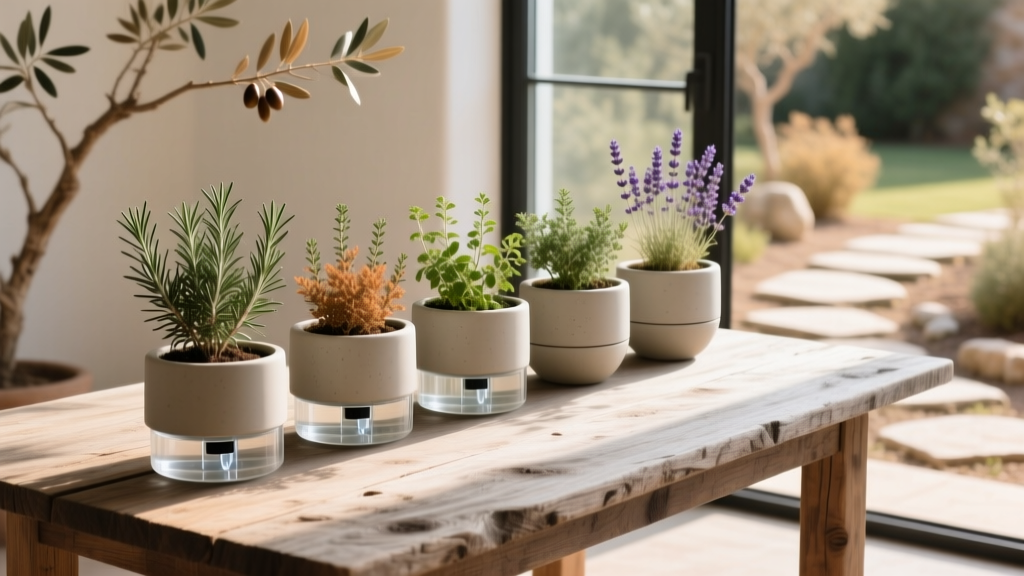
2026 Xeriscape Self-Watering Herb Planter Setup Guide
David ParkPublished
The Intersection of Xeriscaping and Container Gardening in 2026
As we navigate the climate realities of 2026, water conservation has transitioned from a niche landscaping trend to an absolute necessity for home gardeners. Municipal water restrictions are stricter than ever, and prolonged heatwaves are testing the limits of traditional container gardening. This is where the principles of xeriscaping—landscaping designed specifically to reduce or eliminate the need for irrigation—meet the convenience of modern container gardening. By combining drought-tolerant Mediterranean herbs with advanced self-watering planter technology, you can create a thriving, aromatic, and highly efficient patio garden that defies the summer heat while using a fraction of the water required by traditional setups.
According to the EPA WaterSense program, outdoor water use accounts for nearly a third of total household water consumption in many regions, making efficient irrigation strategies critical. A xeriscape-inspired self-watering container setup captures the essence of low-water landscaping by utilizing capillary action, minimizing surface evaporation, and selecting plants that are genetically adapted to arid conditions. This guide will walk you through the exact materials, soil formulations, and step-by-step setup required to build a resilient, low-water herb garden this season.
Selecting the Right Self-Watering Planter for Low-Water Landscapes
Not all self-watering planters are created equal, especially when applying xeriscape principles. The goal is to provide a consistent, low-level moisture supply to the root zone without creating the soggy, waterlogged conditions that Mediterranean herbs despise. When shopping for a planter in 2026, look for models featuring a separated water reservoir and an aerated wicking chamber.
Material Matters: UV-Stabilized Resin vs. Glazed Ceramic
While traditional terra cotta is a staple of xeriscape aesthetics, its porous nature causes rapid water loss through the sides of the pot, defeating the purpose of a self-watering reservoir. For a true low-water setup, opt for UV-stabilized polypropylene resin or thick-walled glazed ceramic. These materials are entirely impermeable, ensuring that 100% of the water in the reservoir is drawn upward through the soil via capillary action rather than evaporating through the planter walls. Brands like Lechuza and Gardener's Supply Company have released 2026 smart-reservoir models equipped with shaded, integrated water-level indicators that prevent algae growth and reduce surface heat absorption.
Best Drought-Tolerant Herbs for Xeriscape Containers
The foundation of any xeriscape garden is plant selection. To maximize the efficiency of your self-watering planter, you must choose herbs that are naturally adapted to dry, rocky, and sun-baked environments. Mediterranean herbs are the undisputed champions of the low-water container garden. According to the Texas A&M AgriLife Extension, these herbs develop deep, resilient root systems and produce essential oils that protect their foliage from intense solar radiation and desiccation.
| Herb Variety | Xeriscape Rating | Sun Requirements | Reservoir Refill Frequency (Peak Summer) |
|---|---|---|---|
| Rosemary (Rosmarinus officinalis) | Excellent | Full Sun (8+ hours) | Every 14-21 days |
| Creeping Thyme (Thymus serpyllum) | Excellent | Full to Partial Sun | Every 10-14 days |
| Greek Oregano (Origanum vulgare) | Very Good | Full Sun (6+ hours) | Every 10-14 days |
| English Lavender (Lavandula angustifolia) | Excellent | Full Sun (8+ hours) | Every 14-21 days |
| Culinary Sage (Salvia officinalis) | Very Good | Full Sun (6+ hours) | Every 10-14 days |
By grouping these specific herbs together in a large, shared trough-style self-watering planter, you create a unified microclimate that mimics their native arid habitats, drastically reducing your overall water footprint.
Formulating a Xeriscape-Friendly Wicking Soil Mix
The most common mistake gardeners make when setting up a self-watering planter for drought-tolerant herbs is using standard commercial potting soil. Standard mixes are heavily reliant on peat moss, which retains massive amounts of water. In a self-watering system, this constant wicking will keep the soil too wet, leading to fatal root rot in rosemary and lavender. Conversely, pure garden soil or sand will not wick water upward from the reservoir effectively. You need a specialized xeriscape wicking mix.
The 2026 Low-Water Soil Recipe
- 40% Coconut Coir: A sustainable alternative to peat moss that provides excellent capillary action for wicking while remaining structurally stable and resistant to compaction.
- 30% Pumice or Coarse Perlite: Essential for creating air pockets. Pumice is preferred in xeriscaping as it is heavier, won't float to the top over time, and provides superior drainage.
- 20% High-Quality Compost: Provides a slow-release, low-dose nutrient profile. Mediterranean herbs thrive in lean soils; too much nitrogen will dilute their essential oils and reduce flavor.
- 10% Expanded Shale or Crushed Granite: Mimics the rocky soils of the Mediterranean, improving drainage and adding vital trace minerals.
This custom blend ensures that water is drawn up from the reservoir just enough to keep the deepest roots hydrated, while the upper layers of the soil remain relatively dry and oxygen-rich, perfectly simulating a xeriscape environment.
Step-by-Step Self-Watering Planter Setup
Follow these precise steps to assemble your low-water herb garden, ensuring optimal wicking and evaporation control.
Step 1: Prep the Reservoir and Wicking Chamber
Begin by filling the planter's water reservoir to the maximum fill line. Ensure the wicking basket or capillary mat is properly seated and making direct contact with the water. If your planter uses a fabric wicking strip, thread it through the drainage grate so it rests at the bottom of the reservoir.
Step 2: Add the Soil Blend
Fill the planting chamber with your custom xeriscape soil mix, leaving about two inches of space from the rim of the planter. Do not pack the soil down tightly; gently tamp it to remove massive air voids, but preserve the porous structure required for drainage. Water the soil lightly from the top just once to initiate the capillary connection between the wicking chamber and the dry coir mix.
Step 3: Plant the Herbs
Remove your herbs from their nursery pots and gently tease out the outer roots to encourage them to spread into the new wicking medium. Plant them at the same depth they were in their nursery containers. Space creeping thyme and oregano near the edges where they can cascade, and place upright rosemary and lavender in the center.
Step 4: Apply a Xeriscape Top-Dressing (Crucial Step)
In traditional xeriscaping, mulch is used to cool the soil and prevent evaporation. In a container setup, organic wood mulch can harbor fungus gnats and retain too much surface moisture. Instead, apply a 1-inch top-dressing of crushed gravel, pea gravel, or decomposed granite. This inorganic mulch reflects sunlight, keeps the root crown dry (preventing fungal issues), and completely eliminates surface evaporation, forcing the planter to rely solely on the efficient reservoir system below.
Maintenance and Troubleshooting for 2026 Climates
Maintaining a xeriscape self-watering container is remarkably low-effort, but it requires a shift in how you monitor plant health. Because the surface soil will always feel dry to the touch due to the gravel mulch and pumice content, you must resist the urge to top-water. Trust the reservoir. During the peak heat of July and August, check the water level indicator once a week. Refill the reservoir only when it is completely empty. Allowing the reservoir to dry out for 24 to 48 hours between refills is actually beneficial for Mediterranean herbs, as it pulls fresh oxygen down into the root zone and prevents anaerobic bacterial growth.
Managing Mineral Buildup
One challenge with low-water herbs in self-watering systems is salt and mineral buildup from tap water, which can accumulate in the upper soil layers over the season. To combat this, perform a deep flush every three months. Take the planter to a sink or outdoor drain, remove the gravel top-dressing, and pour several gallons of distilled or rainwater through the top soil to flush out excess salts. According to Colorado State University Extension's guidelines on xeriscaping, managing soil salinity is critical for the long-term survival of drought-adapted plants in confined spaces.
By embracing the synergy between modern self-watering technology and ancient xeriscape principles, your 2026 container herb garden will not only survive the harshest summer restrictions but will produce the most potent, flavorful, and aromatic harvests you have ever experienced. You are no longer fighting the climate; you are gardening in perfect harmony with it.
