Pest Control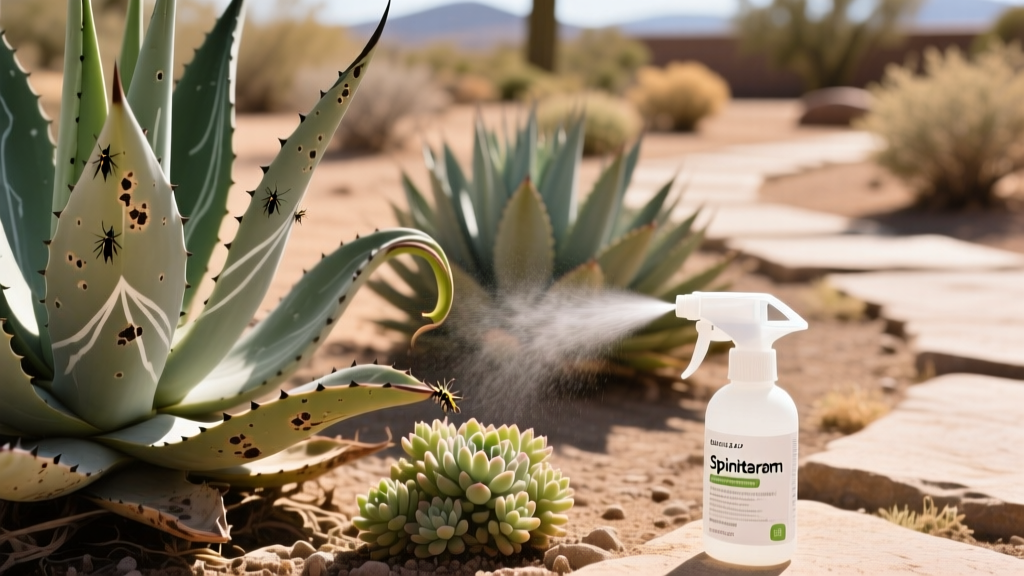
Xeriscape Thrips Damage & Spinetoram Treatment 2026
Sarah ChenPublished
The Rise of Xeriscaping and the Thrip Threat in 2026
As municipal water restrictions tighten across the Sun Belt and Western states in 2026, xeriscaping has transitioned from a niche landscaping trend to an absolute necessity. Homeowners and commercial property managers are rapidly replacing thirsty turfgrass with drought-tolerant agave, yucca, lantana, bougainvillea, and native succulents. While these low-water landscapes drastically reduce irrigation costs, they inadvertently create a microclimate that attracts a notorious, hard-to-control pest: the thrip.
Thrips (order Thysanoptera) are microscopic, slender insects that scrape the surface of plant leaves and flowers to feed on the cellular contents. In a xeriscape environment, where plants are already operating under minimal water stress, a severe thrips infestation can quickly turn a vibrant, water-wise garden into a distorted, silvery wasteland. Fortunately, integrated pest management (IPM) offers a highly effective, pollinator-conscious solution: spinetoram.
Identifying Thrips Damage on Drought-Tolerant Plants
Because thrips are barely visible to the naked eye (usually measuring less than 1/20th of an inch), gardeners rarely notice the insects themselves before the damage becomes apparent. In low-water landscapes, thrips target the tender meristematic tissue of new growth, as well as the flower buds of blooming xeriscape staples.
According to the University of California Statewide Integrated Pest Management Program, thrips feeding leaves behind a distinct cellular scarring pattern. On the thick, waxy leaves of succulents and agaves, this manifests as silvery, iridescent stippling. Over time, these patches merge, and the plant's immune response causes severe leaf distortion, stunting, and premature bud drop.
Xeriscape Plant Damage Profile
| Xeriscape Plant | Primary Thrips Symptom | Secondary Indicator |
|---|---|---|
| Agave & Yucca | Silvery, scarring stippling on central rosette leaves | Black, varnish-like fecal spots on the leaf undersides |
| Lantana | Bronzing and curling of new terminal growth | Stunted flower clusters that fail to open |
| Bougainvillea | White/silver mottling on colorful bracts | Deformed, thickened leaf margins |
| Lavender | Grayish cast to the foliage and flower spikes | Premature shattering of dried blooms |
Why Low-Water Landscapes Attract Thrips
Why are xeriscapes so vulnerable? The answer lies in dust and heat. Thrips thrive in hot, dry, and dusty conditions. In traditional landscapes, frequent overhead irrigation or rainfall naturally washes dust from plant foliage, disrupting thrips' ability to navigate and feed. In a 2026 xeriscape, plants may go weeks or months without overhead moisture. Dust accumulates heavily on the waxy cuticles of agaves and the fuzzy leaves of lamb's ear, providing the perfect camouflage and breeding ground for thrips populations to explode.
Furthermore, as noted by Colorado State University Extension, proper xeriscaping relies on grouping plants with similar water needs (hydrozoning). When a single plant in a hydrozone becomes infested, the dense, dry planting scheme allows thrips to easily drift on hot thermal updrafts to neighboring drought-tolerant specimens.
Spinetoram: The IPM Gold Standard for Xeriscapes
When cultural controls fail and thrips populations cross the economic or aesthetic threshold, chemical intervention is required. However, broad-spectrum pyrethroids (like bifenthrin) are largely discouraged in modern xeriscapes because they devastate beneficial predator insects and trigger secondary pest outbreaks, such as spider mites, which also love dry landscapes.
Enter spinetoram. Spinetoram is a synthetic modification of spinosyns, derived from the soil-dwelling bacterium Saccharopolyspora spinosa. It offers several distinct advantages for low-water landscaping:
- Targeted Efficacy: It is highly lethal to thrips, leafminers, and caterpillars, but has a significantly lower impact on beneficial insects like ladybugs and predatory mites once the spray has dried.
- Translaminar Movement: Spinetoram penetrates the thick, waxy cuticles of xeriscape plants and moves into the leaf tissue. This means it won't easily wash off during your rare, deep-root irrigation sessions, and it reaches thrips that hide inside folded or distorted leaves.
- Pollinator Safety (When Used Correctly): Xeriscapes are vital corridors for native bees and butterflies. Spinetoram is toxic to bees if sprayed directly on them, but once the liquid residue dries on the leaf (usually within 3 hours), the risk to foraging pollinators drops to near zero.
Step-by-Step Spinetoram Application Protocol
To effectively treat thrips on drought-tolerant plants in 2026, follow this precise application protocol using a spinetoram-based formulation (such as professional-grade Entrust SC or Radiant SC, which are increasingly accessible to certified master gardeners and landscape contractors).
1. Preparation and Surfactant Addition
Xeriscape plants have evolved thick, hydrophobic (water-repelling) cuticles to prevent moisture loss. If you spray spinetoram mixed only with water, the droplets will bead up and roll off your agaves and yuccas, wasting the product. You must add a non-ionic surfactant to your tank mix.
- Mixing Rate: Combine 0.5 to 1 fluid ounce of liquid spinetoram concentrate per 1 gallon of water (always verify with your specific product label).
- Surfactant Rate: Add 1 teaspoon of a high-quality non-ionic surfactant to act as a spreader-sticker, ensuring the chemical grips the waxy foliage.
2. Timing the Application
Never apply spinetoram during the heat of the day. UV radiation degrades the active ingredient rapidly, and spraying water on drought-stressed plants at high noon can cause phytotoxicity (leaf burn). Apply the treatment at dusk or early dawn. This ensures the product dries completely before native pollinators begin foraging the next morning.
3. Spray Technique
Use a pump sprayer with a fine mist nozzle. Thrips hide in the tight crevices of new growth, the undersides of leaves, and deep within the rosettes of succulents. Spray until the point of runoff, ensuring you thoroughly coat the protected meristematic tissue. For large agaves, use a wand extension to reach the center of the rosette safely without damaging the terminal spines.
4. The Follow-Up Treatment
Spinetoram does not reliably kill thrip eggs. Because the thrip life cycle can complete in as little as 14 days during peak summer heat, a single application is rarely enough. You must apply a second treatment 7 to 10 days later to intercept the newly hatched nymphs before they can mature and lay the next generation of eggs.
Cultural Controls and Dust Management
Chemical treatments should only be one pillar of your xeriscape IPM strategy. To prevent thrips from returning, you must alter the microclimate that attracted them in the first place.
Strategic Dust Rinsing
Even in a low-water landscape, your plants benefit from an occasional foliar rinse. Once a month, use a hose with a gentle spray nozzle to wash the dust off the foliage of your most susceptible plants. This disrupts thrips' navigation and exposes them to natural predators. Do this early in the morning so the foliage dries quickly, preventing fungal issues in the humid microclimate of dense plantings.
Deploying Sticky Traps
Place blue and yellow sticky traps near your most valuable xeriscape specimens. Thrips are highly attracted to the color blue. By monitoring these traps weekly, you can detect the first wave of migrating thrips in early spring and apply spinetoram precisely when populations are lowest, saving money and protecting the local ecosystem.
Encouraging Minute Pirate Bugs
The minute pirate bug (Orius tristicolor) is a voracious natural predator of thrips. By avoiding broad-spectrum pesticides and maintaining a diverse xeriscape with varying bloom times, you provide the nectar and pollen sources these beneficial insects need to patrol your garden year-round.
Conclusion
Xeriscaping is the future of sustainable landscaping in 2026, but it requires a shift in how we approach pest management. By learning to identify the subtle silvery stippling of thrips damage early, utilizing the translaminar power of spinetoram, and managing dust accumulation, you can protect your drought-tolerant oasis without sacrificing the beneficial insects that keep your garden in balance.