Home & Garden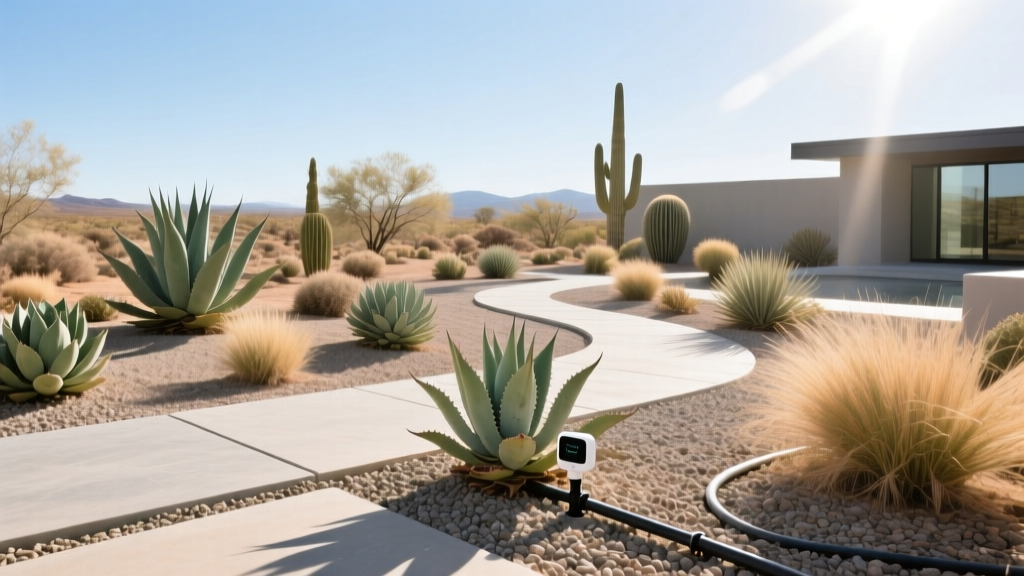
Xeriscaping and Smart Irrigation for the Arid Southwest
Robert HayesPublished
The Arid Southwest Challenge: Balancing Beauty and Water Scarcity
Living in the Arid Southwest—spanning the Sonoran Desert in Arizona, the Mojave in Nevada, and the high deserts of New Mexico—presents a unique set of challenges for homeowners and garden enthusiasts. With annual rainfall often dipping below 12 inches and summer temperatures routinely exceeding 105°F, maintaining a traditional outdoor living space or lush garden is not only an uphill battle but an environmental and financial drain. However, bridging the gap between stunning outdoor aesthetics and ecological responsibility is entirely possible. By combining the time-tested principles of xeriscaping with modern smart home irrigation technology, homeowners in USDA Hardiness Zones 7 through 10 can create breathtaking, resilient landscapes that thrive in extreme heat while drastically reducing water consumption.
Core Principles of Southwest Xeriscaping
Xeriscaping is not about creating a barren, rocky wasteland; it is about thoughtful, climate-appropriate design. When planning your outdoor space, focus on these three foundational pillars:
1. Strategic Hydrozoning
Hydrozoning involves grouping plants with similar water and sunlight requirements together. This prevents the common mistake of overwatering drought-tolerant desert natives just to keep a neighboring thirsty plant alive. Divide your yard into three distinct zones:
- The Oasis Zone: Located near patios, entryways, or outdoor kitchens. This area can feature higher-water-use plants, shade trees, and even small water features to create a cool microclimate for outdoor living.
- The Transition Zone: The middle ground that bridges the oasis and the natural desert. Use moderate-water shrubs and ornamental grasses here.
- The Desert Zone: The perimeter of your property. Rely entirely on native, drought-tolerant plants that survive on natural rainfall once established.
2. Soil Amendment and Preparation
Southwest soils are notoriously difficult, often characterized by heavy clay, high alkalinity, or rock-hard caliche layers. Before planting, you must improve soil structure to ensure proper drainage and root penetration. Break up caliche using a pickaxe or mechanical tiller to a depth of at least 18 inches. Amend the native soil with a mix of 30% organic compost and 20% expanded shale or pumice. This prevents root rot during the rare but intense monsoon downpours.
3. Inorganic Mulching
While wood mulch is popular in temperate climates, it degrades too quickly in the harsh Southwest sun and can blow away during windstorms. Instead, apply a 2-to-3-inch layer of inorganic mulch, such as crushed decomposed granite, river rock, or lava rock. This retains soil moisture, suppresses weeds, and reflects heat away from plant root zones. According to the EPA WaterSense program, proper mulching can reduce soil evaporation by up to 70%, making it a non-negotiable step for arid landscaping.
Smart Irrigation: The Tech Saving Southwest Landscapes
Even the most drought-tolerant xeriscape requires supplemental watering during its first two years of establishment, and occasional deep watering thereafter. This is where smart home integration transforms your landscape from a chore into an automated, water-efficient ecosystem.
Weather-Based Irrigation Controllers (WBICs)
Replace your outdated timer with an EPA WaterSense-labeled smart controller, such as the Rachio 3 or Hunter Hydrawise. These devices connect to your home Wi-Fi and pull real-time data from local weather stations. They automatically adjust watering schedules based on Evapotranspiration (ET) rates, skipping irrigation when rain is in the forecast or when humidity is high. The EPA notes that efficient irrigation technologies can save the average home nearly 15,000 gallons of water annually.
Drip Irrigation vs. Traditional Sprinklers
In the arid Southwest, spraying water through the air via traditional sprinkler heads results in massive evaporation losses—sometimes up to 50% of the water never reaches the soil. Transitioning to a subsurface or surface drip irrigation system is critical. Use products like Netafim Techline CV drip tubing, which features built-in emitters with check valves to prevent soil from being sucked into the lines when the system turns off.
- Trees and Large Shrubs: Use a grid of 2.0 Gallon Per Hour (GPH) emitters spaced 12 inches apart around the drip line.
- Perennials and Succulents: Use 0.5 GPH to 1.0 GPH inline drip tubing.
Comparison Chart: Traditional Turf vs. Southwest Xeriscape
To understand the long-term value of converting your outdoor space, review the data below comparing a traditional 1,000-square-foot Bermuda/Fescue lawn against a properly designed Southwest xeriscape of the same size.
| Feature | Traditional Turf Lawn (1,000 sq ft) | Southwest Xeriscape (1,000 sq ft) |
|---|---|---|
| Annual Water Usage | 40,000 - 55,000 gallons | 4,000 - 8,000 gallons (Establishment & Peak Summer) |
| Yearly Maintenance Cost | $800 - $1,200 (Mowing, fertilizing, aerating) | $150 - $300 (Pruning, weeding, emitter checks) |
| Summer Heat Tolerance | Poor to Moderate (Requires daily watering) | Excellent (Thrives in 110°F+ heat) |
| Smart Tech Integration | Moderate (Smart controllers help, but baseline use is high) | High (Precision drip + WBICs maximize every drop) |
| Installation Cost | $1,000 - $2,500 (Sod and basic sprinklers) | $4,000 - $7,000 (Hardscape, soil prep, plants, drip) |
Regional Implementation Guide: Timing and Rebates
Timing is everything in the desert. Never plant a new xeriscape in the dead of summer (June through August). The intense heat will scorch transplants before their root systems can establish. The optimal planting windows are early spring (March 1 to April 15) and fall (October 1 to November 15). Fall is particularly advantageous, as the warm soil encourages root growth while the cooler air reduces transplant shock.
Leveraging Municipal Rebates
The high upfront cost of xeriscaping is often offset by aggressive municipal rebate programs designed to conserve regional water supplies. For example, the Southern Nevada Water Authority (SNWA) offers the Water Smart Landscape Rebate, which pays homeowners up to $3.00 per square foot for removing water-thirsty turf and replacing it with desert-friendly landscaping and permeable hardscapes. Similar programs exist in Tucson, AZ (Water Harvesting Rebate) and various water districts across Southern California. Always check with your local water provider before removing existing grass to ensure you qualify for these lucrative incentives.
Seasonal Maintenance in the Arid Climate
While xeriscapes are low-maintenance, they are not no-maintenance. Adapting your seasonal care routine to the desert climate is essential for longevity.
- Winter (December - February): This is the time for structural pruning of deciduous desert trees like the Desert Willow (Chilopsis linearis) and Palo Verde. Clean out dry creek beds and check drip lines for rodent damage, as desert wildlife often chews on plastic tubing during the winter.
- Spring (March - May): Apply a pre-emergent herbicide specifically formulated for desert weeds like puncture vine and goatheads. Replenish decomposed granite mulch if it has thinned out over the winter.
- Monsoon Season (July - September): The Southwest monsoon brings violent microbursts and flash flooding. Ensure your yard grading directs water away from your home's foundation and toward your landscape's deep-watering basins. Secure lightweight outdoor furniture and decor against high winds.
Conclusion
Embracing regional and climate-specific care in the Arid Southwest does not mean sacrificing the beauty and utility of your outdoor living space. By thoughtfully designing a xeriscape tailored to your local microclimate and integrating smart, weather-based drip irrigation, you can create a vibrant, garden-to-table friendly oasis that respects the desert environment. Not only will you drastically reduce your water bill and maintenance chores, but you will also contribute to the long-term sustainability of your region's most precious resource: water.
