
Landscaping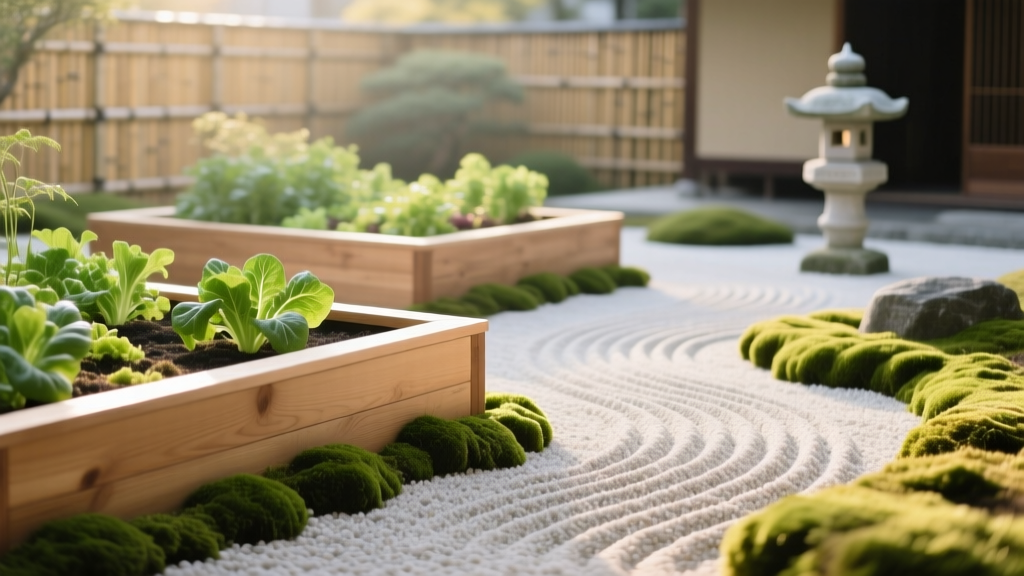
Japanese Zen Garden Raised Vegetable Beds 2026: Gravel & Moss Design
Anna KowalskiPublished
The 2026 Trend: Mindful Edible Landscaping
In 2026, the intersection of mindfulness and utility has completely transformed outdoor living spaces. Homeowners are no longer satisfied with purely ornamental landscapes or chaotic, utilitarian vegetable patches. The leading trend this year is the integration of raised bed vegetable gardening into Japanese zen garden designs. By combining the meditative, minimalist principles of Karesansui (dry landscape) with the high-yield functionality of modern raised beds, gardeners are creating spaces that nourish both the body and the mind. This approach utilizes raked gravel for permeable, weed-suppressing pathways and lush moss elements to create shaded microclimates, resulting in a serene environment where growing food becomes a daily meditation.
Designing the Layout: Raised Beds Meet Karesansui
Traditional zen gardens rely on asymmetry, simplicity, and the suggestion of natural landscapes. When introducing raised vegetable beds into this aesthetic, geometry must be balanced with organic flow. Instead of lining beds up in rigid, farm-like rows, consider staggered placements that mimic islands in a sea of gravel.
According to the University of Minnesota Extension, raised beds significantly improve soil drainage, warm up faster in the spring, and reduce soil compaction. In a zen garden context, elevating the planting areas 12 to 18 inches above the surrounding raked gravel creates a striking visual contrast. The gravel acts as a 'dry river' or 'ocean' flowing around the wooden or stone 'islands' of your vegetable beds. Ensure pathways between the beds are at least 24 to 30 inches wide; this provides ample space for a wheelbarrow and allows for wide, sweeping rake patterns in the gravel without disturbing the moss borders.
Selecting Raised Bed Materials for a Zen Aesthetic
The material of your raised beds dictates the visual tone of the garden. In 2026, the most popular materials for zen-inspired edible gardens include:
- Untreated Black Locust or Cedar: These woods weather to a beautiful, silvery-gray patina that blends seamlessly with natural stone and gravel. Avoid bright, freshly stained woods that disrupt the muted zen color palette.
- Corten Steel: For a modern 'Japandi' (Japanese-Scandinavian) fusion, rusted Corten steel offers deep, earthy terracotta tones that contrast beautifully with bright green moss and pale gravel.
- Rammed Earth or Stacked Basalt: For a permanent, traditional approach, low stone walls provide excellent thermal mass, keeping root zones warm during cool spring nights.
The Soil Mix: Hidden Fertility
A zen garden is about surface tranquility, but raised bed vegetable gardening requires intense subterranean biology. For 2026, the recommended soil matrix for these beds is a variation of the classic 'Mel's Mix', adapted for heavy feeders. Combine 40% high-quality compost (diverse sources like mushroom, leaf mold, and worm castings), 40% coarse coir (a more sustainable 2026 alternative to peat moss), and 20% pumice or perlite for aeration. Top-dress with a 1-inch layer of fine, dark compost in early spring to maintain a clean, uniform soil surface that mirrors the meticulousness of the surrounding hardscape.
The Art of Raked Gravel: Drainage and Meditation
The raked gravel (shirakawa-suna or suitable local alternatives) is the defining feature of the zen garden. In an edible landscape, it serves a dual purpose: it is a highly permeable hardscape that manages runoff from watering the raised beds, and it provides a canvas for meditative raking.
Gravel Selection and Depth
Not all gravel can be raked into crisp, lasting patterns. Pea gravel is too round and shifts underfoot. Instead, opt for Decomposed Granite (DG) or crushed basalt with a particle size of 1/4 inch to 3/8 inch. The angular edges lock together slightly, holding rake lines while still allowing water to percolate. Lay down a heavy-duty, permeable geotextile landscape fabric to prevent weed growth, then spread the gravel to a depth of 2 to 3 inches.
Tools for the Perfect Pattern
To achieve the traditional concentric circles around the 'islands' (raised beds) and parallel lines in the 'open water' (pathways), use a traditional wooden zen rake (samui). The teeth should be spaced about 1 inch apart. Raking the gravel early in the morning before tending to your vegetables is a core practice of mindful gardening, centering your focus before the physical labor of harvesting and pruning begins.
Integrating Moss Elements for Microclimates
Moss is the quintessential zen garden element, representing age, tranquility, and the softening of hardscapes. In a raised bed vegetable garden, moss is strategically used in the transitional zones between the wooden bed walls and the gravel pathways, particularly on the north and east-facing sides of the beds where moisture lingers and direct afternoon sun is blocked.
The North American Japanese Garden Association (NAJGA) emphasizes that moss requires specific microclimates to thrive, preferring acidic soil, high humidity, and dappled shade. To establish moss borders around your raised beds in 2026, utilize live sheet moss (Hypnum) or haircap moss (Polytrichum). Do not use moss in the primary walking paths, as it cannot withstand heavy foot traffic. Instead, use stepping stones (tobi-ishi) placed flush with the gravel to guide foot traffic and protect the delicate moss borders from being crushed while you tend to your crops.
Plant Selection: Vegetables That Fit the Zen Aesthetic
Chaotic, sprawling plants like indeterminate tomatoes or vining squashes will ruin the clean sightlines of a zen garden. The key to successful raised bed vegetable gardening in this style is selecting crops with architectural foliage, neat growth habits, and striking but muted colors.
- Architectural Alliums: Leeks, garlic, and ornamental onions provide strong vertical lines that mimic the upright nature of bamboo or small pines.
- Brassicas: Red Russian Kale, purple cabbage, and neat rows of bok choy offer stunning, structured rosettes that look intentional and sculptural.
- Compact Herbs: Globe basil, compact rosemary, and variegated thyme can be pruned into tight, rounded mounds (karikomi), mimicking the sheared shrubs found in traditional Japanese courtyard gardens.
- Dwarf Bush Beans: These provide a dense, low canopy of green that fills out the bed without requiring chaotic trellising.
2026 Cost Breakdown and Material Sourcing
Building a hybrid zen-edible garden requires an initial investment in quality hardscaping materials. Below is a 2026 estimated cost breakdown for a standard 10x10 foot garden space featuring two 3x6 foot raised beds.
| Material | Quantity Needed | Est. 2026 Cost | Purpose |
|---|---|---|---|
| Untreated Cedar Lumber (2"x10") | 36 linear feet | $280 - $350 | Two 3x6 raised bed frames (18" deep) |
| Crushed Basalt / DG Gravel | 1.5 cubic yards | $120 - $160 | Raked pathways and drainage base |
| Permeable Geotextile Fabric | 150 sq ft | $45 - $60 | Weed suppression under gravel |
| Organic Soil & Compost Blend | 54 cubic feet | $250 - $320 | Filling the two raised beds |
| Live Sheet Moss Trays | 10 trays | $90 - $130 | Shaded border transitions |
| Traditional Wooden Zen Rake | 1 | $35 - $50 | Gravel patterning and maintenance |
| Total Estimated Cost | $820 - $1,070 |
Maintenance: Chores as Meditation
The maintenance of a zen vegetable garden differs vastly from a standard backyard plot. Weeding the gravel is done with a specialized narrow-blade weeder or by hand, turning a tedious chore into a focused, grounding exercise. Watering must be done carefully; use drip irrigation lines hidden beneath the soil surface of the raised beds to avoid washing away the meticulously raked gravel patterns. The moss borders require a fine misting during dry summer weeks, best done in the early evening when the sun dips below the fence line. By embracing the slow, deliberate maintenance required by both the raked gravel and the vegetable beds, the garden becomes a daily sanctuary, proving that the highest yields in 2026 come from landscapes that feed the soul as generously as they feed the body.

