Gardening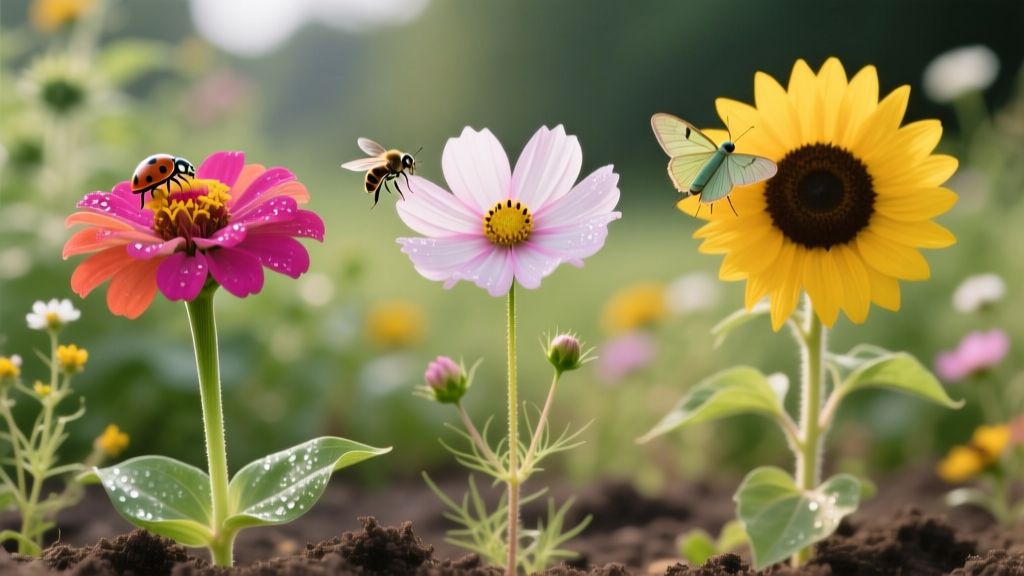
Zinnia vs Cosmos vs Sunflower: 2026 Bio-Control Guide
Mike RodriguezPublished
The 2026 Shift Toward Biological Pest Control
As home gardeners and commercial growers alike move away from synthetic chemicals in 2026, biological control—commonly known as bio-control—has become the cornerstone of Integrated Pest Management (IPM). Rather than viewing the garden as a sterile production zone, modern horticulture embraces the ecosystem. At the heart of this movement is the strategic use of annual flowers to recruit, feed, and retain beneficial insects. When comparing the heavy hitters of the annual flower border—zinnias, cosmos, and sunflowers—each offers unique architectural and nectar-producing benefits that target specific predatory and parasitic insects.
According to the Environmental Protection Agency's guidelines on bio-control, utilizing natural enemies like lady beetles, lacewings, and parasitic wasps significantly reduces the need for disruptive chemical interventions. But which of these three beloved annuals reigns supreme for your specific pest problems? Let us break down the science, the seed selections, and the strategic planting methods for the 2026 growing season.
Understanding the Bio-Control Mechanism
Beneficial insects require two primary resources to thrive in your garden: prey (like aphids or caterpillars) and floral resources (nectar and pollen). Many predatory insects, such as hoverflies and parasitic wasps, only consume pests during their larval stages. As adults, they rely entirely on flower nectar for the energy required to mate and lay eggs. Therefore, selecting flowers with the right bloom structure is critical. The Cornell University Biological Control program emphasizes that matching the flower's nectary depth to the mouthparts of your target beneficial insect is the key to a successful bio-control strategy.
Zinnias: The Pollinator and Hoverfly Powerhouse
Zinnias (Zinnia elegans and Zinnia marylandica) are the undisputed champions of attracting large pollinators and, more importantly for pest control, Syrphid flies (hoverflies). Hoverflies are incredible bio-control agents; a single hoverfly larva can consume up to 50 aphids per day.
Top 2026 Varieties for Bio-Control
- Benary's Giant: Features massive, dahlia-like blooms that provide a broad landing pad for larger beneficial insects. The open center exposes abundant pollen.
- Profusion Series: Highly resistant to powdery mildew, making them ideal for the humid mid-summer months. Their continuous blooming habit ensures a steady nectar supply from early summer until the first frost.
Planting and Maintenance
Zinnias require full sun and well-draining soil with a pH between 5.5 and 7.5. Sow seeds directly outdoors after the last frost date, spacing them 12 to 18 inches apart to ensure adequate airflow. To maximize bio-control efficacy, practice aggressive deadheading; this forces the plant to produce new flower buds, maintaining the nectar flow that keeps adult hoverflies in your garden.
Cosmos: The Delicate Predator Magnet
Cosmos (Cosmos bipinnatus) feature delicate, fern-like foliage and daisy-like flowers with shallow, easily accessible nectaries. This specific floral architecture makes cosmos the absolute best choice for attracting tiny parasitic wasps (such as Braconidae and Ichneumonidae) and predatory lacewings. These micro-wasps are vital for controlling tomato hornworms, cabbage loopers, and aphid populations.
Top 2026 Varieties for Bio-Control
- Sensation Mix: Tall, vigorous, and prolific. The sheer volume of blooms on a single plant can support hundreds of parasitic wasps.
- Sonata Series: A dwarf variety perfect for interplanting directly within vegetable raised beds without shading out your crops.
Planting and Maintenance
Cosmos are famously drought-tolerant and thrive in poorer soils. In fact, planting them in overly rich, nitrogen-heavy soil will result in excessive foliage at the expense of blooms. Sow seeds 1/4 inch deep, spacing them 12 inches apart. As climate models for 2026 predict hotter, drier mid-summer stretches in many zones, cosmos offer a resilient, low-water habitat for beneficials when other flowers might wilt.
Sunflowers: The Heavy-Duty Habitat and Trap Crop
Sunflowers (Helianthus annuus) are the structural giants of the bio-control garden. Beyond their obvious visual appeal, they serve a dual purpose: they act as a 'trap crop' for aphids and provide habitat for heavy-duty predators like minute pirate bugs and big-eyed bugs. Furthermore, the Xerces Society for Invertebrate Conservation highlights sunflowers as critical resources for native bee populations, which are essential for the pollination of your vegetable crops.
Top 2026 Varieties for Bio-Control
- Lemon Queen: Widely considered the gold standard for pollinator and beneficial insect attraction due to its high nectar volume and open, accessible pollen disks.
- Teddy Bear: A branching, multi-headed dwarf variety that produces dozens of smaller blooms, offering more landing space for beneficials than single-stem giants.
Planting and Maintenance
Sunflowers are heavy feeders. Plant them in rich, compost-amended soil, 1 to 2 inches deep, and space them 24 inches apart. To use them as a trap crop, plant a perimeter of sunflowers around your vegetable garden. Aphids will often colonize the sunflowers first, drawing in ladybugs and lacewings. Once the predator population booms on the sunflowers, they will spill over into your vegetable beds to hunt remaining pests.
2026 Comparison Chart: Zinnia vs. Cosmos vs. Sunflower
| Feature | Zinnia | Cosmos | Sunflower |
|---|---|---|---|
| Primary Beneficials | Hoverflies, Butterflies | Parasitic Wasps, Lacewings | Minute Pirate Bugs, Ladybugs |
| Nectar Accessibility | Moderate (open centers best) | High (shallow nectaries) | High (broad pollen disks) |
| Best Companion Crops | Tomatoes, Peppers | Brassicas, Beans | Corn, Squash, Potatoes |
| Drought Tolerance | Moderate | High | Moderate to High |
| Bio-Control Role | Larval food source (Hoverflies) | Adult food source (Micro-wasps) | Trap crop & Overwintering habitat |
Designing Your 2026 Bio-Control Flower Border
To maximize the synergistic effects of these three annuals, avoid planting them in isolated, distant flower beds. Instead, integrate them directly into your vegetable garden. A highly effective 2026 IPM strategy is the '1-in-3 rule': for every three vegetable transplants, insert one annual bio-control flower.
'The goal of modern bio-control is not the total eradication of pests, but the establishment of a balanced ecosystem where predator populations naturally keep herbivore populations below the threshold of economic damage.'
Interplanting Strategy
- Tomato Beds: Interplant Cosmos bipinnatus to attract Braconid wasps, which parasitize the dreaded tomato hornworm. The delicate cosmos will not compete heavily with the deep-rooted tomatoes.
- Brassica Beds: Use dwarf Zinnias (like the Profusion series) along the borders of cabbage and kale beds to attract hoverflies, whose larvae will decimate aphid colonies on the tender brassica leaves.
- Cucurbit Beds: Plant branching Sunflowers at the north end of your squash and cucumber patches. They will act as a windbreak, provide shade during peak 2026 heatwaves, and harbor predators that hunt squash bugs and cucumber beetles.
Actionable Planting and Maintenance Timeline
Success in bio-control requires timing your floral blooms to coincide with the emergence of pest populations. Follow this timeline for the 2026 season:
- Early Spring (4-6 weeks before last frost): Start Zinnias and Sunflowers indoors under grow lights. Cosmos can be direct-sown later, as they resent root disturbance.
- Mid-Spring (Last frost date): Transplant Zinnias and Sunflowers. Direct sow Cosmos seeds in prepared garden beds.
- Early Summer: Apply a light layer of organic mulch around all three flowers to retain moisture and provide ground-level habitat for predatory beetles.
- Mid-to-Late Summer: Practice succession sowing. Plant a new row of Cosmos and Zinnias every three weeks until 8 weeks before your first expected fall frost. This ensures that when late-season pests like cabbage aphids arrive, your garden is still teeming with active, well-fed beneficial insects.
- Fall Cleanup: Leave sunflower stalks standing through the winter. They provide crucial overwintering habitat for native bees and predatory insects, ensuring your bio-control army is ready to deploy the moment spring arrives in 2027.
By thoughtfully selecting and integrating zinnias, cosmos, and sunflowers, you transform your garden from a vulnerable crop plot into a resilient, self-regulating ecosystem. Embrace the power of beneficial insects this year, and let nature do the heavy lifting of pest management.
