Gardening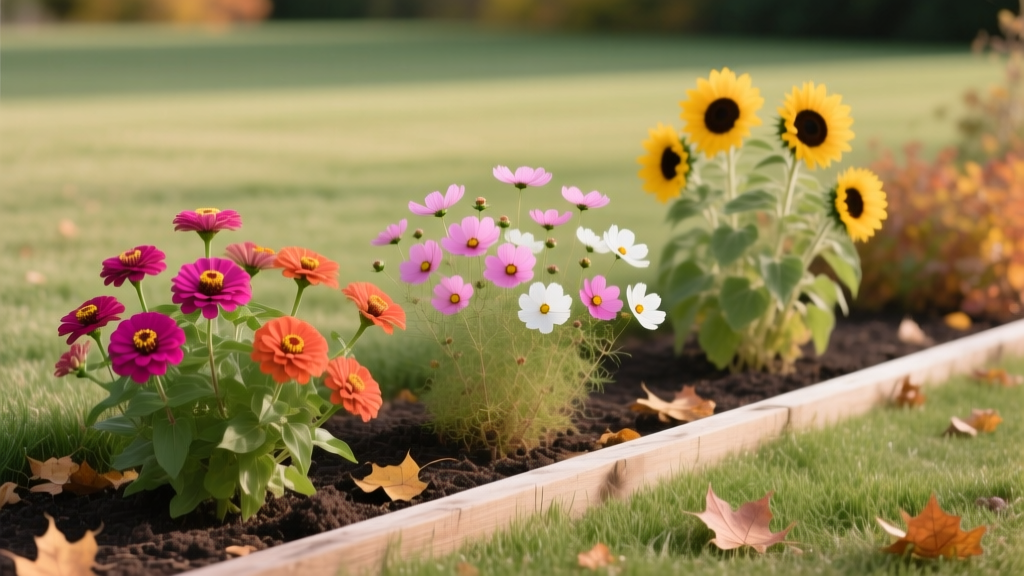
Zinnia vs Cosmos vs Sunflower: 2026 Fall Lawn Care
Anna KowalskiPublished
The 2026 Autumn Garden and Lawn Transition
As we navigate the 2026 gardening season, the transition from late summer to fall presents a unique opportunity to harmonize your garden beds with your autumn lawn care routine. While many homeowners focus exclusively on core aeration, overseeding, and applying winterizer fertilizers to their turf, the adjacent garden borders often get neglected. Integrating late-blooming annuals like zinnias, cosmos, and sunflowers not only provides vital late-season color but also supports the broader ecosystem of your yard. In 2026, climate trends across many temperate zones indicate extended autumn warmth, meaning these annuals can bloom well into October or even November before the first hard frost.
Choosing the right annuals for your fall lawn borders requires understanding their growth habits, soil requirements, and how they interact with your turfgrass. Do their sprawling branches shade out newly overseeded grass? Do their deep taproots help break up compacted soil near the lawn edge? Let us dive into a detailed comparison of zinnias, cosmos, and sunflowers to determine which is best suited for your 2026 fall landscape strategy.
Zinnias: The Autumn Color Powerhouse
Zinnias are arguably the most reliable late-season bloomers for garden beds bordering a lawn. According to the University of Minnesota Extension, zinnias thrive in the warm soil of late summer and continue to produce vibrant flowers right up until the first killing frost. For fall lawn borders, the 'Profusion' and 'Zahara' series are highly recommended in 2026 due to their exceptional resistance to powdery mildew—a fungal disease that frequently plagues zinnias during the damp, cool nights of autumn.
Pros for Fall Lawn Borders
- Compact Growth: Varieties like 'Profusion Cherry' stay under 18 inches tall, ensuring they will not cast long, disruptive shadows over your newly overseeded fall lawn.
- Continuous Bloom: With regular deadheading, zinnias provide a dense carpet of color that contrasts beautifully with the deep green of a well-fertilized autumn turf.
- Pollinator Support: They attract late-season butterflies and bees, which are essential for a healthy yard ecosystem.
Cons and Maintenance
Zinnias require consistent moisture. If you are adjusting your irrigation system for fall lawn dormancy, you must ensure the zinnia beds receive adequate water without oversaturating the adjacent turf, which can lead to lawn fungal issues like brown patch.
Cosmos: The Airy, Low-Maintenance Border
Cosmos (Cosmos bipinnatus) offer a completely different aesthetic. Their fern-like foliage and delicate, daisy-like flowers create an airy, informal border that softens the hard lines between a manicured lawn and garden beds. The University of Wisconsin-Madison Extension notes that cosmos are remarkably drought-tolerant and actually prefer poorer soils, making them an excellent choice for the challenging, compacted soil often found at the very edge of lawn spaces.
Pros for Fall Lawn Borders
- Drought Tolerance: As you reduce lawn watering in the fall to prepare for winter, cosmos will continue to thrive without supplemental irrigation.
- Soil Aeration: The taproots of cosmos can help gently break up mildly compacted soil near lawn edges, improving drainage.
- Airflow: Their sparse foliage allows for excellent air circulation, reducing the risk of fungal spores spreading to your turfgrass.
Cons and Maintenance
Taller varieties like the 'Sensation' mix can grow up to 4 feet tall and may flop over onto your lawn after heavy autumn rains, requiring staking or aggressive pruning. For lawn borders, stick to the dwarf 'Sonata' series, which stays a manageable 2 feet tall.
Sunflowers: Structural Giants and Wildlife Magnets
Sunflowers (Helianthus annuus) are the bold statement pieces of the late-summer and fall garden. While traditionally planted in spring for mid-summer blooms, succession planting or choosing specific autumn-blooming varieties like 'Autumn Beauty' or 'Italian White' can extend their display into the fall. The Old Farmer's Almanac highlights that sunflowers are not just visually striking; they are ecological powerhouses that attract seed-eating birds.
Pros for Fall Lawn Borders
- Pest Control: By leaving spent sunflower seed heads intact in the fall, you attract insectivorous and seed-eating birds. These birds will forage in your adjacent lawn, naturally controlling overwintering pests like grubs and chinch bugs.
- Vertical Interest: They provide a dramatic backdrop that draws the eye upward, making small lawn spaces feel larger.
- Phytoremediation: Sunflowers are known to extract heavy metals and toxins from the soil, leaving the earth cleaner for future planting.
Cons and Maintenance
Sunflowers are heavy feeders and can deplete soil nutrients near the lawn edge. Furthermore, their massive stalks can shade out cool-season grasses trying to establish during fall overseeding. They are best placed at the very back of deep garden beds, far from the immediate lawn edge.
Annual Flower Comparison Chart
| Feature | Zinnia (Profusion Series) | Cosmos (Sonata Series) | Sunflower (Autumn Beauty) |
|---|---|---|---|
| Mature Height | 12 - 18 inches | 20 - 24 inches | 48 - 72 inches |
| Days to Maturity | 60 - 70 days | 50 - 60 days | 75 - 90 days |
| Fall Frost Tolerance | Moderate (blooms until hard frost) | Moderate (blooms until hard frost) | Low (stalks die back quickly) |
| Water Needs | Moderate to High | Low | Moderate |
| Best Lawn Placement | Front border / Edging | Mid-border | Back border / Focal point |
| Soil Impact | Neutral | Improves aeration via taproot | Heavy feeder; depletes nitrogen |
Integrating Flower Beds with Fall Lawn Care
To achieve a pristine landscape in 2026, your fall lawn care regimen must seamlessly integrate with your flower bed maintenance. Here is how to manage the intersection of turf and annuals:
1. Edging and Trenching
Before your grass enters winter dormancy, use a half-moon edger to create a crisp, 4-inch deep trench between your lawn and your zinnia or cosmos beds. This prevents aggressive turfgrass rhizomes from invading the flower beds and stops sprawling annual stems from rooting into the lawn. A clean edge also makes autumn leaf raking significantly easier.
2. Overseeding Precautions
When overseeding your lawn with tall fescue or Kentucky bluegrass in early fall, be mindful of seed drift. Grass seed caught in the dense foliage of zinnias can sprout and create a messy, weedy appearance in your garden beds. Use a rotary spreader with a side-edge guard when working near flower borders.
3. Fertilizer Management
Fall winterizer fertilizers are typically high in potassium (e.g., a 10-0-20 NPK ratio) to promote root hardiness in turfgrass. However, applying high-nitrogen fertilizers near your cosmos or sunflowers in early autumn will encourage weak, leggy foliage growth that is highly susceptible to frost damage. Keep lawn-specific fertilizers strictly on the turf, and rely on the residual nutrients in the garden bed for your annuals.
End-of-Season Cleanup and Soil Prep
Once the first hard frost of 2026 blackens the foliage of your zinnias, cosmos, and sunflowers, it is time for end-of-season cleanup. Do not simply pull the plants and throw them in the trash. Instead, use this biomass to benefit your lawn's future health.
- Composting Stalks: Chop the thick sunflower and cosmos stalks into 2-inch pieces using pruning shears or a chipper. Add them to your compost bin along with your fallen autumn leaves. By next spring, this will break down into a nutrient-rich leaf mold that serves as an excellent topdressing for your lawn.
- Root Management:While zinnia roots should be pulled to prevent soil-borne diseases from overwintering, consider leaving cosmos taproots in the ground to decompose. As they rot, they leave behind channels in the soil that improve water infiltration and aeration for nearby lawn roots.
- Mulching for Winter:After clearing the dead annual foliage, apply a 2-inch layer of shredded hardwood mulch to the garden beds. This insulates the soil, prevents winter weed germination, and ensures that heavy winter rains do not wash garden soil onto your dormant lawn.
By thoughtfully selecting and managing zinnias, cosmos, and sunflowers, you can create a stunning autumn landscape that complements, rather than competes with, your rigorous fall lawn care routine. The 2026 season is all about working with nature's transitions, ensuring your turf and garden beds support one another through the cooler months and emerge vibrant and healthy next spring.
