Gardening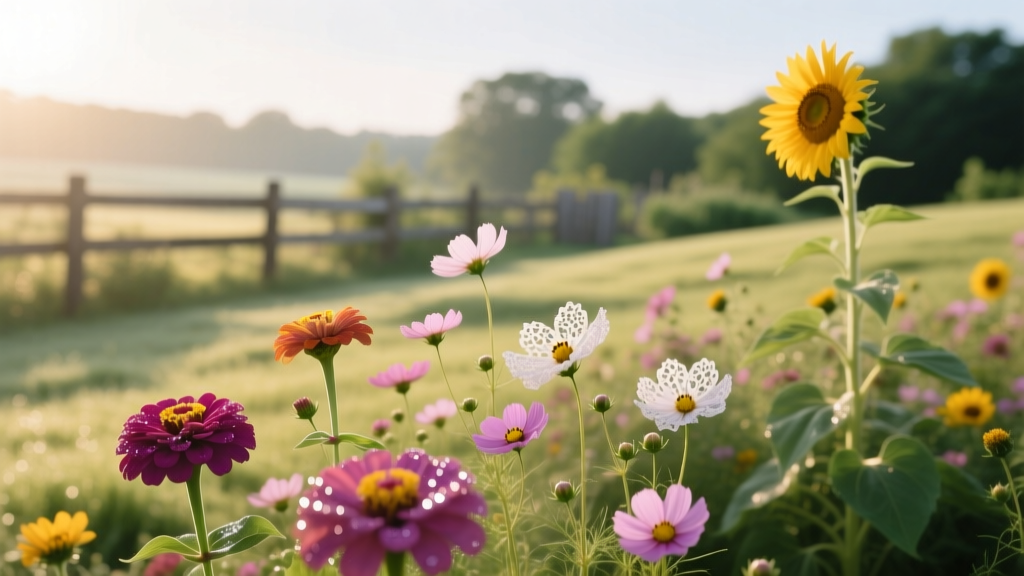
Zinnia vs Cosmos vs Sunflower: 2026 Garden Photography Guide
Emily WatsonPublished
Introduction to 2026 Garden Documentation
As we navigate the 2026 growing season, the art of garden photography and botanical documentation has never been more accessible or more vital for home growers. Whether you are maintaining a digital garden journal, contributing to citizen science projects, or simply building a portfolio of your backyard oasis, capturing the lifecycle of your plants requires a strategic approach. Among the most popular annuals chosen by gardeners this year are zinnias, cosmos, and sunflowers. While they share a reputation for being easy to grow from seed, their visual characteristics, structural habits, and lighting requirements demand entirely different photographic techniques. In this comprehensive guide, we will compare zinnia vs cosmos vs sunflower from a photographer's perspective, providing actionable advice on gear, lighting, and composition to elevate your garden documentation in 2026.
The Big Three: Visual Traits and Photographic Potential
Understanding the botanical nuances of your subjects is the first step in creating compelling floral imagery. Each of these three annuals offers unique textural and structural opportunities for the camera lens.
Zinnias: The Macro Marvels
Zinnias are the undisputed champions of color saturation and geometric precision. According to the University of Minnesota Extension, zinnias produce dense, multi-layered blooms that hold their shape exceptionally well, even in harsh weather. From a photography standpoint, this rigid structure makes them ideal for macro photography. Varieties like 'Queeny Red Lime' and 'Benary's Giant' feature intricate petal layering and striking color gradients that digital sensors capture beautifully. Because zinnias grow on thick, sturdy stems, they are less prone to wind-blur, allowing for longer exposure times or focus-stacking techniques without the need for heavy staging. When documenting zinnias, focus on the contrast between the vibrant, velvety petals and the rough, textured foliage.
Cosmos: Ethereal Backdrops and Golden Hour Stars
Where zinnias are bold and structured, cosmos are delicate and fluid. The UMN Extension notes that cosmos feature fern-like foliage and translucent petals that seem to glow when backlit. This makes them the ultimate subject for golden hour photography. Varieties such as 'Sensation' and 'Cupcake' offer soft pastels and pure whites that require careful exposure management to prevent highlight blowout. The primary challenge when photographing cosmos is their susceptibility to wind. Their slender stems mean that even a mild breeze can cause motion blur, requiring faster shutter speeds or strategic use of physical windbreaks. Cosmos are best photographed using a shallow depth of field to turn their feathery foliage into a creamy, dreamlike bokeh that isolates the delicate bloom.
Sunflowers: Structural Giants and Textural Wonders
Sunflowers introduce the element of massive scale to the garden. University of Minnesota researchers highlight the incredible diversity in sunflower varieties, ranging from the towering 'Mammoth' to the compact, multi-branching 'Teddy Bear'. Photographing sunflowers requires a dual approach: wide-angle environmental shots to capture their imposing height against the sky, and extreme macro shots to document the mesmerizing Fibonacci sequences found in their developing seed heads. Because of their height, photographing the face of a standard sunflower often requires a stepladder or a drone equipped with a high-resolution camera. Furthermore, young sunflowers exhibit heliotropism (tracking the sun), which provides a fantastic opportunity for time-lapse documentation as the flower head moves from east to west throughout the day.
2026 Camera Gear and Settings for Floral Documentation
The gear landscape in 2026 offers incredible tools for both professionals and hobbyists. Mirrorless cameras like the Canon EOS R8 and Sony Alpha 7C II feature advanced AI-driven subject recognition that can now lock focus specifically on flower stamens and pistils, ensuring razor-sharp macro shots. For smartphone users, the computational photography engines in 2026 flagship devices automatically perform focus-stacking in macro mode, combining multiple exposures to ensure the entire zinnia bloom is in focus.
Below is a quick-reference cheat sheet for setting up your camera to document these specific annuals:
| Flower Subject | Recommended Lens | Aperture (f-stop) | Shutter Speed | ISO | Best Time of Day |
|---|---|---|---|---|---|
| Zinnia Macro | 90mm or 100mm Macro | f/5.6 to f/8 | 1/125s or slower | 100-400 | Overcast or Midday (with diffuser) |
| Cosmos Portrait | 85mm Prime | f/1.8 to f/2.8 | 1/500s or faster | 100-200 | Golden Hour (Backlit) |
| Sunflower Wide | 16-35mm Wide-Angle | f/8 to f/11 | 1/250s | 100 | Early Morning (Blue Hour) |
| Sunflower Seed Head | 100mm+ Macro or Telephoto | f/4 to f/5.6 | 1/320s | 200-800 | Mid-Morning (Side-lit) |
Mastering Light: Illuminating Your Annuals
Lighting is the single most critical variable in garden photography. The bold, opaque petals of zinnias can handle harsh midday sun, but the shadows cast by their layered petals can become muddy and black. To solve this, use a 5-in-1 collapsible reflector. Position the silver or white side opposite the sun to bounce light into the shadows, revealing the intricate color gradients of the 'Queeny Red Lime' variety. Alternatively, use a diffusion panel to soften the midday sun, creating a natural, cloud-like softbox effect that flattens contrast and boosts color accuracy.
Cosmos, conversely, thrive on directional, low-angle light. Position yourself so the sun is directly behind the flower. This backlighting technique causes the thin petals to become translucent, highlighting the delicate venation and creating a glowing halo effect. If the background is too dark, use a reflector to gently illuminate the front of the bloom without killing the backlit glow. For sunflowers, early morning side-lighting emphasizes the rugged texture of the stem and the bracts, while shooting upwards against a clear blue sky provides a striking, high-contrast environmental portrait.
Documenting the Growth Cycle: Time-Lapse and Journaling
In 2026, garden documentation goes beyond single static images. Time-lapse photography is an invaluable tool for capturing the dynamic growth of annuals. To document a sunflower's heliotropic movement, mount your camera on a heavy, weather-sealed tripod anchored into the soil. Set your intervalometer to capture one frame every 60 seconds over a 12-hour daylight period. When compiled at 24 frames per second, this will yield a smooth, 30-second video showing the massive flower head tracking across the sky.
For zinnias and cosmos, time-lapses are best used to capture the blooming process. Set up a macro rig in a controlled environment or a sheltered corner of the garden, capturing one frame every 5 minutes over 48 hours to watch the tightly furled buds explode into full bloom. Pair these visual records with digital journaling. Modern 2026 apps like Gardenize and PlantSnap utilize AI to automatically log bloom dates, cross-reference local weather data, and organize your photographic timeline, creating a comprehensive, searchable database of your garden's seasonal progression.
Composition Techniques for Garden Storytelling
When building a cohesive garden portfolio, vary your compositions to tell a complete story. Use the rule of thirds to place a vibrant zinnia off-center, allowing the negative space to showcase the surrounding garden environment. For cosmos, utilize their tall, branching stems as leading lines that draw the viewer's eye from the bottom corner of the frame up to the delicate bloom at the top. With sunflowers, do not shy away from abstract compositions; frame just the lower quarter of the massive seed head to emphasize the spiral geometry, or shoot through the foreground foliage to create a sense of depth and immersion.
Conclusion
Documenting the zinnia vs cosmos vs sunflower triad offers a masterclass in floral photography. By understanding the unique structural and visual properties of each annual, and by leveraging the advanced camera technology and software available in 2026, you can transform simple garden snapshots into a profound botanical archive. Whether you are chasing the translucent glow of a backlit cosmos, the geometric perfection of a zinnia macro, or the towering majesty of a sunflower, the key lies in intentional lighting, precise settings, and a deep appreciation for the plant's natural growth habits. Grab your camera, step into the garden, and start documenting the fleeting beauty of the 2026 season.
