Gardening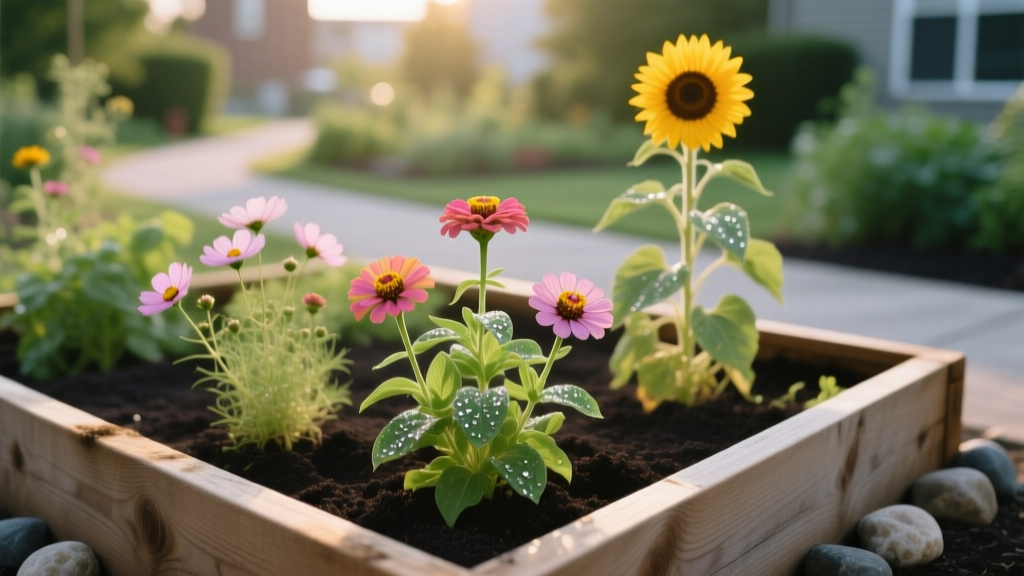
2026 Raised Bed Companions: Zinnia vs Cosmos vs Sunflower
Emily WatsonPublished
The Role of Annual Flowers in Raised Bed Vegetable Gardening
As we move through the 2026 growing season, the philosophy of raised bed vegetable gardening has shifted heavily toward intensive polyculture. Gone are the days of planting monoculture blocks of tomatoes or peppers in isolated wooden boxes. Today, the most productive raised beds mimic natural ecosystems, integrating annual flowers directly into the vegetable grid. But when space is limited to a standard 4x8 or 3x6 foot raised bed, every single plant must earn its keep. You need companions that attract pollinators, deter pests, and maximize yield without stealing vital nutrients or sunlight from your primary food crops.
This brings us to a common dilemma for raised bed gardeners: choosing the right annual flowers. The top three contenders for vegetable bed integration are zinnias, cosmos, and sunflowers. Each offers unique benefits, but they also come with specific spatial and nutritional demands. According to the Old Farmer's Almanac companion planting guide, integrating the right blooms can increase vegetable pollination rates by up to 30 percent. Let us break down how zinnias, cosmos, and sunflowers perform in the unique microclimate of a raised bed.
Zinnias: The Butterfly Magnet and Pest Protector
Zinnias are arguably the most reliable workhorse for the raised bed vegetable garden. In 2026, compact varieties like the Profusion series and the slightly taller Benary's Giant remain top sellers in organic seed catalogs. Zinnias are exceptionally good at attracting butterflies and, more importantly, hoverflies (syrphid flies).
Benefits for Raised Beds
While butterflies are beautiful, hoverflies are the true heroes of the vegetable garden. The adult hoverflies feed on zinnia nectar, but their larvae are voracious predators of aphids, thrips, and other soft-bodied pests that commonly plague raised bed brassicas and legumes. Furthermore, zinnias have a relatively shallow, fibrous root system. In the confined soil volume of a raised bed, this means they will not compete aggressively with deep-rooted vegetables like tomatoes or tap-rooted crops like carrots.
Spacing and Placement
For a standard 4x8 raised bed, plant dwarf zinnias along the southern edge. This ensures they receive full sun without casting shade on your heat-loving vegetables. Space them 8 to 12 inches apart. Because they are heavy bloomers, they require consistent moisture, which is easily managed in a raised bed equipped with a drip irrigation line.
Cosmos: The Beneficial Insect Haven
Cosmos bring a delicate, airy aesthetic to the garden, but do not let their fragile appearance fool you. These drought-tolerant annuals are powerhouse attractors for predatory insects. Varieties like Sonata (a dwarf strain perfect for raised beds) and Cosmic are ideal for interplanting among sprawling crops like cucumbers and squash.
Benefits for Raised Beds
Cosmos are highly attractive to lacewings, parasitic wasps, and tachinid flies. These beneficial insects are essential for controlling caterpillar populations, including the dreaded cabbage looper and tomato hornworm. The Xerces Society for Invertebrate Conservation frequently highlights cosmos as a critical resource for sustaining diverse beneficial insect populations throughout the late summer when many other flowers fade.
Spacing and Placement
Cosmos thrive on neglect. In a raised bed, they actually prefer slightly poorer soil and less frequent watering than your vegetables. Plant them in the corners of your raised bed or use them as a backdrop on the northern edge. If you are growing vining crops on a trellis, cosmos can be planted at the base of the trellis to draw pollinators up and into the canopy of your beans or peas.
Sunflowers: The Structural Giants and Trap Crops
Sunflowers are iconic, but they require careful management in a raised bed environment. Standard Mammoth sunflowers can easily exceed eight feet in height and develop massive taproots that can disrupt the carefully layered soil structure of your bed. However, 2026 seed catalogs offer fantastic dwarf and branching varieties like Sunspot, Teddy Bear, and Music Box that are perfectly scaled for raised bed gardening.
Benefits for Raised Beds
Sunflowers serve two primary functions in a vegetable bed: structural support and trap cropping. They can act as a living trellis for pole beans or lightweight climbing nasturtiums. Additionally, sunflowers are excellent trap crops. Aphids and stink bugs often prefer sunflowers over vegetables, drawing the pests away from your prized tomatoes and peppers. However, gardeners must be aware of allelopathy. As noted by the University of Minnesota Extension, sunflowers release biochemicals that can inhibit the growth of certain plants, particularly potatoes and pole beans, if planted too closely. Always buffer sunflowers with a neutral companion like marigolds or plant them strictly on the periphery of the bed.
Spacing and Placement
Always plant sunflowers on the extreme northern or eastern edge of your raised bed to prevent them from shading out your vegetables as the sun tracks across the southern sky. Limit planting to one or two dwarf sunflowers per 4x8 bed to avoid overcrowding and nutrient depletion.
2026 Comparison Chart: Zinnia vs Cosmos vs Sunflower
To help you design your raised bed layout for the 2026 season, refer to the comparison table below. This data reflects current dwarf and compact varieties specifically bred for small-space and container gardening.
| Feature | Zinnia (Profusion Series) | Cosmos (Sonata Series) | Sunflower (Sunspot Dwarf) |
|---|---|---|---|
| Mature Height | 12 - 18 inches | 18 - 24 inches | 24 - 36 inches |
| Root Profile | Shallow, fibrous | Medium, branching | Deep taproot (even in dwarfs) |
| Water Needs | High (consistent moisture) | Low (drought tolerant) | Medium to High |
| Primary Beneficials | Hoverflies, Butterflies | Lacewings, Parasitic Wasps | Native Bees, Birds |
| Best Veggie Companions | Tomatoes, Peppers, Beans | Brassicas, Cucumbers, Squash | Corn, Zucchini, Melons |
| Avg 2026 Seed Cost | $4.50 per packet | $3.95 per packet | $5.25 per packet |
| Raised Bed Placement | Southern edge, borders | Corners, trellis bases | Northern edge, perimeter |
Soil Preparation and Maintenance in Raised Beds
Integrating flowers into your vegetable beds means your soil must support a diverse range of nutritional needs. In 2026, the gold standard for raised bed soil remains a modified Mel's Mix or a premium organic raised bed blend consisting of 30 percent high-quality compost, 30 percent coco coir (a more sustainable alternative to peat moss), and 40 percent aeration materials like perlite, pumice, or fine bark.
Pro Tip for 2026: Because cosmos prefer leaner soil, avoid top-dressing the corners of your raised bed where cosmos are planted with heavy nitrogen fertilizers. Too much nitrogen will result in lush, leafy cosmos plants with very few blooms, defeating the purpose of planting them for pollinator attraction.
When planting zinnias and sunflowers, which are heavier feeders, incorporate a slow-release organic granular fertilizer (such as a 4-4-4 NPK blend) into the top two inches of soil at the time of planting. Mulching the exposed soil around all three flower types with an inch of organic straw or shredded leaves will help retain moisture, suppress weeds, and gradually feed the soil food web as it breaks down.
Final Verdict: Which Should You Plant?
There is no single "best" flower for raised bed vegetable gardening; the right choice depends entirely on your specific pest pressures and spatial constraints. If your primary struggle is aphids on your tomatoes and peppers, zinnias are your best bet for attracting hoverfly larvae. If you are growing a heavy rotation of brassicas and need defense against caterpillars, interplant cosmos to recruit parasitic wasps. Finally, if you have a sprawling squash bed and need a trap crop to draw pests away from your harvest, a strategically placed dwarf sunflower on the northern edge will serve you beautifully.
By thoughtfully integrating these annuals into your 2026 raised bed layout, you will not only enjoy a more vibrant and colorful garden, but you will also cultivate a resilient, self-regulating ecosystem that naturally boosts your vegetable yields.
