Lawn Care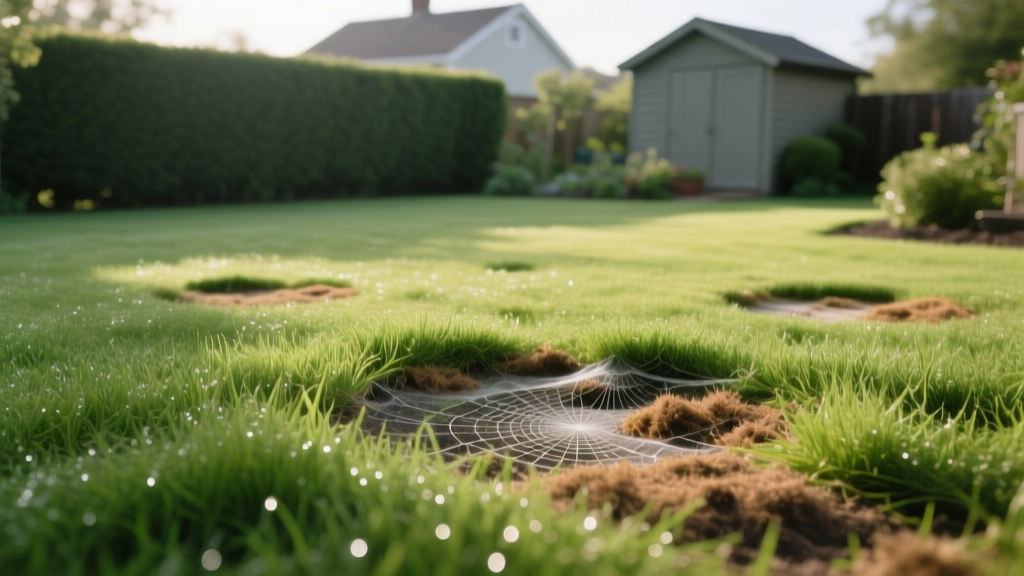
Brown Patch Lawn Disease: Identification and Treatment Guide
Mike RodriguezPublished
What is Brown Patch Disease?
Brown patch is a highly destructive turfgrass disease caused by the soil-borne fungus Rhizoctonia solani. It is notorious for rapidly destroying large sections of an otherwise healthy lawn during the peak heat and humidity of summer. According to NC State University's TurfFiles, this pathogen thrives in warm, moist environments and can attack a wide variety of grass species. However, it is most devastating to cool-season grasses like tall fescue, perennial ryegrass, and Kentucky bluegrass, as well as warm-season grasses like bermudagrass and zoysiagrass when they are subjected to prolonged periods of leaf wetness.
Unlike some lawn diseases that merely discolor the grass blades, brown patch can attack the crown and roots of the plant, leading to severe thinning and, in extreme cases, permanent turf loss if left untreated. Understanding the life cycle of Rhizoctonia solani and the environmental triggers that cause it to flare up is the first step in protecting your landscape.
How to Identify Brown Patch in Your Lawn
Accurate identification is critical, as treating a fungal disease with the wrong product—or mistaking it for drought stress—can waste time and money while the fungus continues to spread. Brown patch exhibits several distinct visual characteristics that differentiate it from other turfgrass issues.
Visual Symptoms on the Lawn
- Circular Patches: The disease typically manifests as roughly circular, light brown or tan patches ranging from 6 inches to several feet in diameter.
- The 'Smoke Ring': In the early morning hours, when dew is heavy and humidity is high, you may observe a dark, grayish-purple 'smoke ring' on the outer perimeter of the patch. This is the active mycelium of the fungus spreading outward.
- Thinning and Matting: As the disease progresses, the grass within the circular patches will thin out, wilt, and mat down to the soil surface, giving the area a sunken appearance.
Close-Up Leaf Lesions
If you inspect individual grass blades at the edge of an active patch, you will notice distinct lesions. On broad-leafed grasses like tall fescue, these lesions are often irregular, tan or grayish-green spots with a dark brown border. The tips of the leaves may die back, and the leaf sheath at the base of the plant may become water-soaked, dark, and easily slip off the stem when pulled.
Environmental Conditions That Trigger Outbreaks
The Rhizoctonia solani fungus is present in almost all soils, but it only becomes a problem when specific environmental conditions align. The University of Missouri Extension notes that brown patch is primarily a disease of stress and excess moisture. The primary triggers include:
- Temperature: The fungus becomes highly active when nighttime temperatures remain consistently above 65°F (18°C), with optimal growth occurring between 75°F and 85°F (24°C - 29°C).
- Prolonged Leaf Wetness: The leaves must remain wet for 10 to 12 continuous hours for infection to occur. This is usually caused by heavy evening dew, high humidity, or improper nighttime irrigation.
- Excessive Nitrogen: Applying high-nitrogen, quick-release fertilizers in early summer creates a flush of lush, tender, and succulent growth that is highly susceptible to fungal penetration.
- Poor Air Circulation and Drainage: Lawns surrounded by dense trees, fences, or structures that block wind and morning sun dry out much slower, creating a microclimate ideal for fungal spores.
Brown Patch vs. Drought Stress: Telling the Difference
Homeowners frequently confuse brown patch with drought stress or dog urine spots because both result in brown, dying patches of grass. However, the treatment for each is vastly different. Applying water to a brown patch outbreak will only accelerate the fungal growth, while applying fungicide to a drought-stressed lawn is a waste of chemicals.
The Pull Test: Grab a handful of grass at the edge of the brown patch and pull upward. If the grass pulls up easily with shallow, dry roots, you are likely dealing with drought stress or grub damage. If the roots remain firmly anchored in the soil but the leaves break off easily at the base (often with a dark, rotted sheath), brown patch is the likely culprit.
Soil Moisture Check: Use a screwdriver or soil probe to check the moisture level beneath the brown patch. If the soil is bone dry, the issue is environmental. If the soil is moist but the grass is still dying and showing distinct leaf lesions, a fungal disease is at work.
Treatment: Best Fungicides for Brown Patch
When cultural practices are not enough to halt an active outbreak, chemical intervention is necessary. Fungicides are most effective when applied preventatively or at the very first sign of disease. Once the grass crown is rotted, fungicides will stop the spread but cannot resurrect dead turf; you will need to overseed or sod the damaged areas in the fall.
Below is a comparison of the most effective active ingredients for controlling Rhizoctonia solani.
| Active Ingredient | Product Examples | Application Rate | Systemic/Contact | Best Use Case |
|---|---|---|---|---|
| Azoxystrobin | Scotts DiseaseEx, Heritage G | 2.2 lbs per 1,000 sq ft (granular) | Systemic | Preventative & Early Curative |
| Propiconazole | Banner Maxx, Fertilome Liquid Systemic | 1-2 fl oz per 1,000 sq ft (liquid) | Systemic | Curative & Preventative |
| Myclobutanil | Spectracide Immunox, Eagle 20EW | Varies by concentration | Systemic | Curative (Early Stage) |
| Flutolanil | ProStar 70 WP | 2.2 oz per 1,000 sq ft | Systemic | Heavy Curative Outbreaks |
Application Best Practices
For liquid fungicides like Propiconazole, always use a high-quality non-ionic surfactant to help the chemical adhere to and penetrate the waxy cuticle of the grass blade. Apply liquid treatments using a backpack sprayer calibrated to deliver 1.5 to 2 gallons of water per 1,000 square feet to ensure thorough coverage. For granular products like Azoxystrobin, you must water the lawn immediately after application with about 1/8 inch of irrigation to wash the active ingredient off the grass blades and into the soil and thatch layer where the fungus resides.
To prevent the fungus from developing chemical resistance, rotate your fungicide active ingredients. If you use a QoI fungicide (like Azoxystrobin) for your first application, switch to a DMI fungicide (like Propiconazole) for your follow-up application 14 to 21 days later.
Cultural Practices for Prevention and Recovery
Chemical treatments are only a temporary fix if the underlying environmental conditions are not corrected. The Texas A&M AgriLife Extension emphasizes that long-term turfgrass health relies on an integrated pest management approach that makes the lawn inhospitable to fungal pathogens.
Optimize Your Watering Schedule
Never water your lawn in the evening or at night. Watering late in the day extends the leaf wetness period through the night, practically inviting brown patch spores to germinate. Instead, set your irrigation system to water deeply between 4:00 AM and 6:00 AM. This allows the grass blades to dry out quickly once the sun rises, while still delivering the necessary moisture to the root zone. Aim for 1 to 1.5 inches of water per week, delivered in one or two deep sessions rather than frequent, shallow waterings.
Mowing and Clipping Management
Mow your lawn at the recommended height for your specific grass type. For tall fescue, maintain a height of 3 to 4 inches during the summer heat. Scalping the lawn stresses the plant and reduces its ability to photosynthesize and fight off disease. Furthermore, if your lawn is actively infected with brown patch, bag your grass clippings. Leaving infected clippings on the lawn spreads the mycelium and spores to healthy areas of the turf via your mower deck.
Aeration and Thatch Control
A thick layer of thatch (more than 1/2 inch) acts like a sponge, holding moisture against the soil surface and harboring fungal spores. Core aeration, performed in the fall for cool-season grasses and spring for warm-season grasses, relieves soil compaction, breaks down thatch, and improves surface drainage. By allowing water to penetrate deeply into the soil profile rather than pooling on the surface, you drastically reduce the humidity at the turf canopy level where brown patch thrives.
Strategic Fertilization
Avoid applying high-nitrogen fertilizers in late spring and early summer. Instead, rely on slow-release, organic nitrogen sources if you must feed the lawn during the growing season. Save the heavy, fast-acting synthetic nitrogen applications for the fall when nighttime temperatures drop below 65°F and the risk of brown patch has completely passed. Conducting a soil test every two to three years will also ensure your lawn has adequate levels of phosphorus and potassium, which are vital for building strong cell walls that resist fungal penetration.