Lawn Care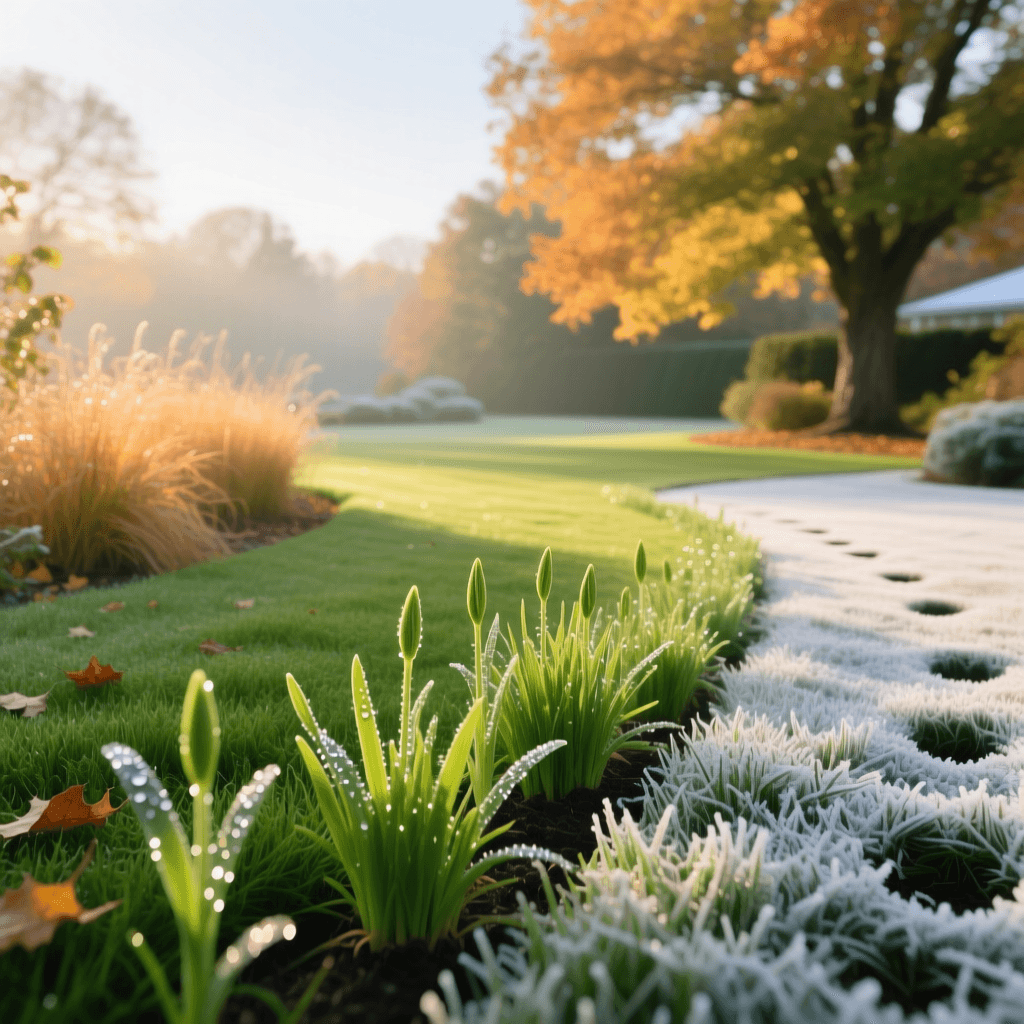
The Complete Seasonal Journey for Lawn Grass Care: A Year-Round Guide
Achieving a lush, vibrant, and resilient lawn is not a one-time event; it is a continuous, year-round commitment. Your turf is a living ecosystem that responds dynamically to the changing seasons, shifting its energy between root development, leaf growth, and winter dormancy. Understanding the lawn grass care seasonal journey is the single most important factor in transforming a patchy, weed-filled yard into a pristine landscape. Whether you are nurturing cool-season grasses or warm-season grasses, timing your maintenance tasks to align with nature's calendar is the secret to long-term success.
In this comprehensive guide, we will walk you through the complete seasonal journey of lawn care. From the first signs of spring awakening to the deep dormancy of winter, you will discover actionable steps, essential tool recommendations, and precise timing tips to keep your grass thriving. By following this roadmap, you will prevent common turf diseases, outcompete stubborn weeds, and build a deep root system capable of withstanding environmental stress.
Spring Awakening: Reviving and Preparing Your Lawn
Spring is a time of renewal, but it is also a critical window for setting the foundation of your lawn's health for the rest of the year. As soil temperatures begin to rise, your grass wakes from dormancy and desperately needs nutrients and a clean environment to push out new shoots. However, spring is also when weed seeds germinate, making proactive care essential.
Actionable Steps for Spring
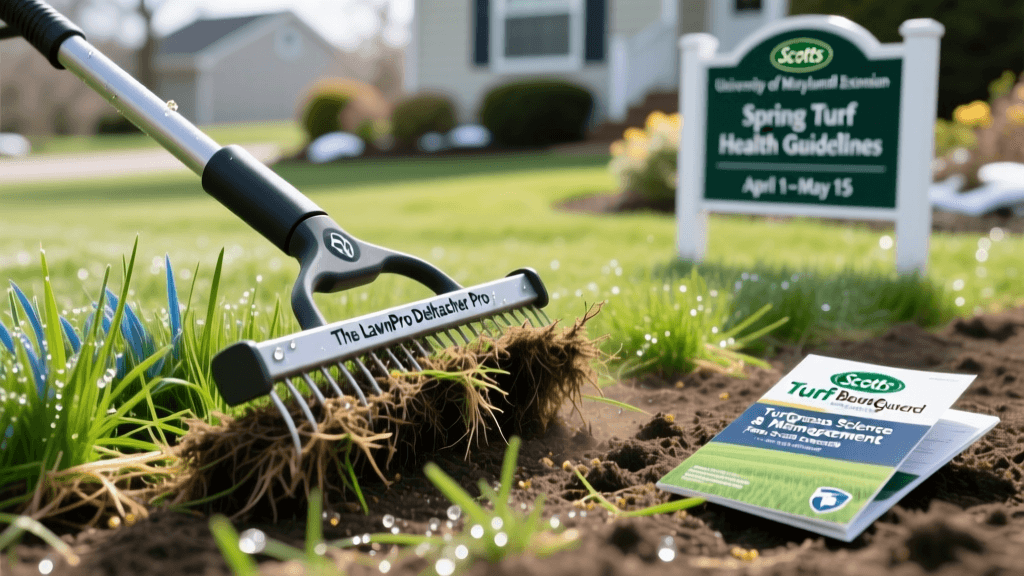
- Clear Debris and Thatch: Begin by gently raking your lawn to remove dead grass, fallen leaves, and winter debris. This allows sunlight to reach the soil and improves air circulation, preventing snow mold and fungal diseases.
- Conduct a Soil Test: Before applying any amendments, use a soil test kit to determine your pH and nutrient levels. Grass thrives in a pH range of 6.0 to 7.0. If your soil is too acidic, apply lime; if it is too alkaline, apply sulfur.
- Apply Pre-Emergent Herbicides: To stop crabgrass and other annual weeds before they sprout, apply a pre-emergent herbicide. This creates an invisible barrier in the top layer of soil that prevents weed seeds from germinating. Check out our detailed weed control strategies for product specifics.
- The First Mow: Wait until the grass reaches about 3 to 3.5 inches before the first mow. Never remove more than the top one-third of the grass blade, as this shocks the plant and stunts root growth.
Product & Tool Recommendations
Invest in a high-quality thatching rake or a tow-behind dethatcher for larger properties. For soil testing, a digital soil pH meter or a mail-in laboratory soil test kit provides the most accurate results. A broadcast spreader is essential for the even application of pre-emergent herbicides and spring fertilizers.
Seasonal Timing Tips
Do not rely on the calendar; rely on soil temperature. Pre-emergent herbicides must be applied when soil temperatures consistently reach 50°F to 55°F at a depth of two inches. This typically coincides with the blooming of forsythia bushes in your region. Applying too early means the chemical barrier will break down before summer weeds germinate; applying too late means the crabgrass has already taken root.
Summer Survival: Protecting Grass from Heat and Stress
Summer brings intense heat, high humidity, and potential drought conditions, all of which place immense stress on your lawn. During this phase of the seasonal journey, the goal shifts from aggressive growth to survival and protection. Cool-season grasses, in particular, will slow their growth and may even enter a state of summer dormancy if water is scarce.
Actionable Steps for Summer
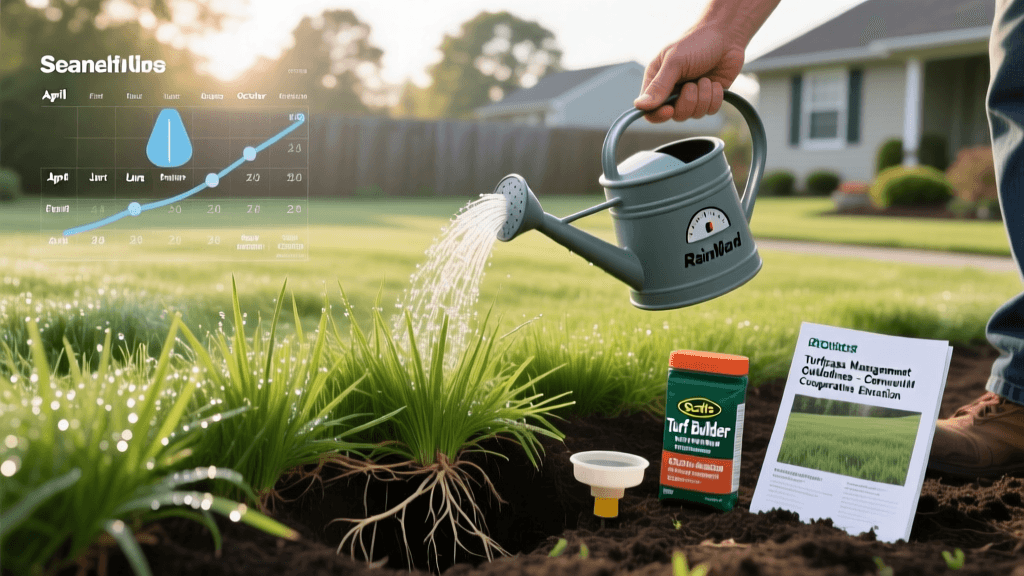
- Deep and Infrequent Watering: Your lawn needs about 1 to 1.5 inches of water per week, including rainfall. Water deeply and infrequently (1-2 times a week) to encourage roots to grow deeper into the soil, where moisture is retained longer. Shallow, daily watering creates weak, shallow roots that are highly susceptible to drought.
- Raise Your Mowing Height: Taller grass shades the soil, reducing moisture evaporation and keeping the root zone cooler. Raise your mower deck to 3.5 or 4 inches during the peak heat of summer. Review our mowing tips for more best practices.
- Monitor for Pests and Grubs: Summer is prime time for lawn pests like chinch bugs, sod webworms, and grubs. If you notice irregular brown patches that do not respond to watering, inspect the soil line for insect damage and apply targeted treatments.
- Limit Foot Traffic: Heat-stressed grass is fragile. Minimize heavy foot traffic and avoid parking vehicles on the lawn to prevent soil compaction and crown damage.
Product & Tool Recommendations
An oscillating or impact sprinkler paired with a rain gauge ensures you are delivering the exact amount of water needed without waste. Keep your mower blades sharpened and balanced; dull blades tear the grass tips, leaving them vulnerable to disease and giving the lawn a brown, ragged appearance. For pests, keep a curative grub control insecticide on hand if preventative measures were missed in late spring.
Seasonal Timing Tips
Always water your lawn in the early morning, ideally between 4:00 AM and 8:00 AM. Watering at midday leads to massive evaporation losses, while watering in the evening leaves the grass blades wet overnight, creating a perfect breeding ground for fungal diseases like brown patch and dollar spot.
Fall Fortification: The Most Critical Season for Lawn Health
While many homeowners associate lawn care with spring, fall is actually the most crucial season in the lawn grass care seasonal journey. As air temperatures cool but the soil remains warm, grass shifts its energy away from top growth and focuses entirely on expanding its root system and storing carbohydrates for the winter. Proper fall care guarantees a rapid, thick green-up the following spring.
Actionable Steps for Fall
- Core Aeration: Over the summer, soil becomes compacted from foot traffic and heat. Core aeration pulls small plugs of soil from the ground, allowing oxygen, water, and nutrients to penetrate the root zone. Learn more about the benefits in our aeration and overseeding guide.
- Overseeding: Immediately after aerating, overseed your lawn to fill in bare patches and introduce modern, disease-resistant grass varieties. The aeration holes provide perfect seed-to-soil contact.
- Apply Fall Fertilizer: A heavy application of fall fertilizer provides the nutrients necessary for deep root growth and winter carbohydrate storage. Consult our fertilizing guide to choose the right N-P-K ratio for your turf.
- Manage Fallen Leaves: Do not let a thick layer of leaves smother your lawn. Either mulch them finely with your mower so they decompose into the soil, or use a blower to remove them entirely.
Product & Tool Recommendations
A stand-on or walk-behind core aerator is highly recommended for fall maintenance (these can often be rented locally). Use a slit-seeder or broadcast spreader for overseeding. For fall feeding, look for a fertilizer high in nitrogen and potassium to promote root hardiness. A high-powered leaf blower or a mulching mower blade is essential for leaf management.
Seasonal Timing Tips
Time your aeration and overseeding for early to mid-fall, roughly 6 to 8 weeks before your region's first expected hard frost. This gives the new grass seed enough time to germinate, establish, and be mowed a few times before the freezing temperatures set in.
Winter Rest: Dormancy and Equipment Preparation
Winter is the season of rest for your lawn, but it is a busy time for the proactive homeowner. While the grass is dormant, your focus should shift to protecting the turf from winter damage and preparing your equipment for the rigorous spring season ahead.
Actionable Steps for Winter
- Minimize Winter Traffic: Dormant grass is highly susceptible to crown damage. Avoid walking on frozen or frost-covered grass, as this can break the brittle blades and lead to dead tracks in the spring.
- Prevent Snow Mold: Before the first heavy snow, ensure your lawn is mowed down to about 2.5 inches. Tall grass that gets matted down under snow creates a humid environment where snow mold thrives.
- Winterize Your Irrigation System: If you have an underground sprinkler system, it must be blown out with compressed air to prevent freezing water from cracking the pipes and sprinkler heads.
- Mower Maintenance: Drain the gas from your mower (or add a fuel stabilizer), change the oil, clean the undercarriage, and sharpen the blades so it is ready to start on the very first warm day of spring.
Product & Tool Recommendations
An air compressor capable of delivering 80-100 CFM is required for sprinkler blowouts (or hire a professional irrigation service). A mower maintenance kit including a spark plug wrench, oil, and a blade balancer will save you money on professional servicing. For icy walkways, use a pet-safe, lawn-safe ice melt (like magnesium chloride) instead of rock salt, which will severely burn your grass and alter soil chemistry.
Seasonal Timing Tips
Winterize your irrigation system before the first hard freeze, usually in late autumn. Perform the final mow of the season when the grass completely stops growing, which happens when daytime temperatures consistently drop below 50°F.
Adapting the Journey: Cool-Season vs. Warm-Season Grasses
The seasonal journey outlined above is a general framework, but it must be adapted based on the specific type of grass growing in your yard. The timing of your tasks will vary drastically depending on whether you have a cool-season or warm-season turf.
Cool-Season Grasses (such as Kentucky Bluegrass, Tall Fescue, and Perennial Ryegrass) thrive in the cooler temperatures of spring and fall. They experience their most aggressive growth during these windows and often struggle, turning brown, during the peak heat of summer. For cool-season lawns, fall is the absolute most important time for aeration, overseeding, and heavy fertilization. Spring fertilization should be light to avoid pushing too much top growth at the expense of roots.
Warm-Season Grasses (such as Bermuda, Zoysia, St. Augustine, and Centipede) love the heat. They green up in late spring, peak in the middle of summer, and go completely dormant and brown during the winter. For warm-season lawns, the seasonal journey shifts. You should aerate and overseed (if using Bermuda) in late spring or early summer when the grass is actively growing. Heavy fertilization should occur in the summer months, and you should avoid fertilizing in the fall, as this can make the grass vulnerable to winter kill.
Understanding your specific grass type allows you to sync your maintenance schedule with its natural biological rhythms, ensuring maximum health and vigor. Explore our complete grass types guide to identify your turf and tailor your seasonal calendar.
Frequently Asked Questions
How often should I fertilize my lawn throughout the year?
The frequency of fertilization depends on your grass type and the quality of your soil. Generally, cool-season grasses benefit from 2 to 4 applications per year, with the heaviest applications in early and late fall. Warm-season grasses typically require 3 to 5 applications spread evenly across the late spring and summer months. Always rely on a soil test to dictate your exact nutrient needs, preventing the over-application of nitrogen which can lead to thatch buildup and disease.
When is the best time to aerate and overseed my grass?
Timing is everything for aeration and overseeding. For cool-season grasses, early fall is the undisputed best time. The soil is still warm enough to encourage rapid seed germination, but the air is cool enough to prevent the seedlings from drying out, and weed competition is minimal. For warm-season grasses, late spring to early summer is ideal, as this coincides with their most vigorous natural growth phase, allowing them to quickly recover from the aeration process and establish new seed.
Should I bag or mulch my grass clippings during the growing season?
In almost all cases, you should mulch your grass clippings. Leaving finely chopped clippings on the lawn returns valuable nitrogen, phosphorus, and potassium back to the soil, acting as a natural, slow-release fertilizer. It also helps retain soil moisture. You should only bag your clippings if the grass has grown excessively tall between mows, if the lawn is suffering from an active fungal disease, or if you are dealing with a heavy influx of fallen autumn leaves that are smothering the turf.
How do I know if my lawn is getting enough water in the summer?
The most accurate way to measure watering is by placing empty tuna cans or specialized rain gauges around your yard while the sprinklers are running. Time how long it takes to collect 1 inch of water. Visually, a lawn that needs water will take on a bluish-gray hue, and the grass blades will fold in half lengthwise to conserve moisture. Additionally, if you walk across the lawn and your footprints remain visible for several minutes instead of the grass springing back up, your turf is experiencing drought stress and requires immediate, deep irrigation.
What is the ideal mowing height for different seasons?
Mowing height should fluctuate with the seasons to protect the grass. In the spring and fall, when temperatures are mild and moisture is plentiful, you can maintain a standard height of 2.5 to 3 inches for cool-season grasses, and 1.5 to 2 inches for warm-season varieties. However, during the peak heat of summer, you should raise your mower deck by at least half an inch to a full inch. Taller grass shades the soil, drastically reducing water evaporation, keeping the root zone cooler, and preventing weed seeds from receiving the sunlight they need to germinate.