Lawn Care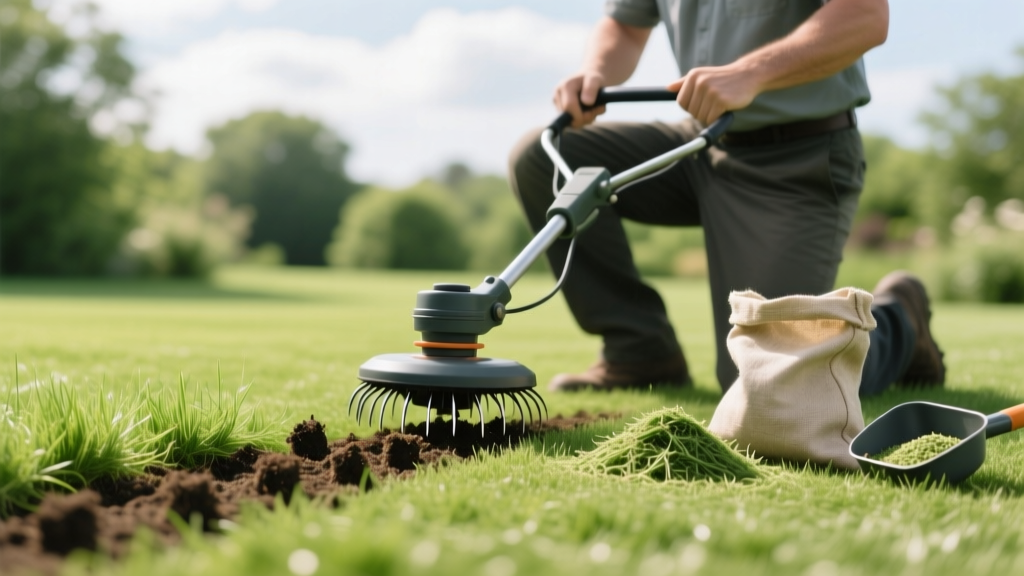
Mastering Core Aeration and Overseeding for Cool-Season Grasses
Sarah ChenPublished
Why Combine Core Aeration and Overseeding?
For homeowners with cool-season grasses like Tall Fescue, Kentucky Bluegrass, and Perennial Ryegrass, the combination of core aeration and overseeding is the most powerful cultural practice available. Over time, foot traffic, heavy equipment, and natural settling cause soil compaction. This compaction increases soil bulk density, restricting the flow of oxygen, water, and essential nutrients to the root zone. According to the University of Minnesota Extension, core aeration physically removes small plugs of soil, alleviating compaction and creating an ideal environment for root expansion.
When you pair aeration with overseeding, you create a synergistic effect. The holes left behind by the aerator tines act as perfect, protected micro-environments for grass seed. These holes hold moisture, protect seeds from being washed away or eaten by birds, and allow direct seed-to-soil contact, which is the single most critical factor for successful germination.
When to Aerate and Overseed Cool-Season Grasses
Timing is everything. Cool-season grasses thrive in the cooler temperatures of late summer and early fall. The optimal window for aeration and overseeding generally falls between August 15 and October 15, depending on your specific hardiness zone. During this period, soil temperatures are still warm enough to encourage rapid seed germination, while the cooling air temperatures reduce heat stress on young seedlings and minimize competition from summer annual weeds like crabgrass.
Spring aeration and overseeding are generally discouraged for cool-season lawns. Spring planting leaves young grass vulnerable to the stress of impending summer heat and drought. Furthermore, applying pre-emergent crabgrass preventers in the spring will inadvertently stop your new grass seed from germinating. Therefore, fall remains the undisputed champion for lawn renovation.
Core Aeration vs. Spike Aeration: Which is Better?
Not all aeration methods are created equal. While spike aerators simply punch holes into the ground, core aerators extract actual plugs of soil. The Penn State Extension strongly recommends core aeration for long-term soil health.
| Feature | Core Aeration | Spike Aeration |
|---|---|---|
| Mechanism | Removes 2-3 inch soil plugs | Punches solid holes into soil |
| Compaction Relief | Excellent; creates space for soil expansion | Poor; can worsen compaction by pressing soil outward |
| Thatch Management | Brings soil microbes to the surface to break down thatch | No impact on thatch layer |
| Seed Protection | Deep holes protect seed and retain moisture | Shallow holes dry out quickly |
| Best Use Case | Annual lawn maintenance and overseeding | Temporary relief on sandy, non-compacted soils |
Step-by-Step Aeration and Overseeding Process
Step 1: Prepare the Lawn
Preparation dictates success. Begin by mowing your lawn shorter than usual, aiming for a height of about 1.5 to 2 inches. This reduces the canopy, allowing the new seed to reach the soil and ensuring the aerator tines can penetrate deeply without getting tangled in long grass blades. Next, water your lawn deeply 24 to 48 hours before you plan to aerate. The soil should be moist but not muddy. If the soil is too dry, the aerator tines will bounce off the surface; if it is too wet, the machine will clog and tear the turf. Finally, mark all shallow sprinkler heads, valve boxes, and invisible dog fences with bright flags to prevent costly damage.
Step 2: Core Aerate the Soil
Rent a heavy-duty, walk-behind core aerator from a local equipment rental center. Lightweight, tow-behind models that attach to riding mowers rarely penetrate deeply enough to provide meaningful compaction relief. Run the aerator over your entire lawn in one direction, and then make a second pass perpendicular to the first. Your goal is to pull plugs that are 2 to 3 inches deep and spaced about 2 to 3 inches apart. Leave the extracted soil plugs on the lawn; they will break down naturally over the next few weeks, returning valuable microorganisms to the thatch layer to aid in decomposition.
Step 3: Overseed with Precision
Immediately following aeration, apply your grass seed. Use a broadcast or drop spreader to ensure even coverage. Split your total seed amount in half, applying the first half walking north-to-south, and the second half walking east-to-west. This crisscross pattern prevents striping and bare spots. Pay special attention to bare patches and high-traffic areas, lightly raking the seed into the aeration holes and existing soil to guarantee seed-to-soil contact.
Step 4: Fertilize and Irrigate
Apply a high-quality starter fertilizer immediately after seeding. Starter fertilizers are rich in phosphorus, which is vital for early root development. However, always base your fertilizer choice on a recent soil test; if your soil already has adequate phosphorus, a balanced, slow-release nitrogen fertilizer is preferable to prevent nutrient runoff. After fertilizing, water the lawn lightly to activate the fertilizer and settle the seed into the soil.
Recommended Seed Rates for Cool-Season Grasses
Applying the correct amount of seed prevents overcrowding and disease. The NC State Extension provides precise guidelines for cool-season turfgrass maintenance and overseeding rates.
- Tall Fescue: 5 to 6 pounds per 1,000 square feet for overseeding; 8 to 10 pounds for full renovation.
- Kentucky Bluegrass: 1 to 1.5 pounds per 1,000 square feet for overseeding; 2 to 3 pounds for full renovation.
- Perennial Ryegrass: 3 to 4 pounds per 1,000 square feet for overseeding; 5 to 7 pounds for full renovation.
- Fine Fescue: 2 to 3 pounds per 1,000 square feet for overseeding; 4 to 5 pounds for full renovation.
Pro Tip: When purchasing seed, always check the seed tag for the 'Pure Live Seed' percentage and the weed seed content. Avoid any seed mixes containing annual ryegrass or excessive weed seeds, as these will compromise the long-term health and aesthetics of your lawn.
Post-Seeding Care and Irrigation Schedule
Watering is the most labor-intensive part of the overseeding process. Grass seed must remain consistently moist until it germinates and establishes a rudimentary root system. For the first 14 to 21 days, you should water the lawn lightly two to three times per day for about 5 to 10 minutes each session. The goal is to keep the top inch of soil damp, not saturated. Overwatering will cause the seed to rot or wash away.
Once the new grass reaches a height of about 1.5 inches, gradually reduce the frequency of watering while increasing the duration. Transition to deep, infrequent watering—about 1 inch of water per week—to encourage the new roots to grow deeply into the freshly aerated soil. Delay your first mowing until the new grass reaches about 3 inches in height, and ensure your mower blades are razor-sharp to avoid tearing the tender young seedlings out of the ground.
Common Mistakes to Avoid
Even seasoned homeowners can make errors during the aeration and overseeding process. Avoid these common pitfalls to ensure a thick, vibrant lawn:
- Using Pre-Emergent Herbicides: Pre-emergents prevent all seeds from germinating, including your expensive turfgrass seed. Wait until the new grass has been mowed at least three times before applying any weed control.
- Skipping the Soil Test: Without a soil test, you are guessing your lawn's pH and nutrient needs. Grass struggles to uptake nutrients in highly acidic or alkaline soils, rendering your aeration and seeding efforts less effective.
- Seeding Too Late: If you seed in late October or November, the seed may germinate but the seedlings will likely be killed by the first hard freeze before they can develop a robust root system.
- Allowing Soil to Dry Out: Even a few hours of drought stress during the germination window can kill sprouting seeds. Consistency in watering is non-negotiable.
Conclusion
Core aeration and overseeding represent the gold standard for cool-season lawn renovation. By relieving soil compaction, introducing superior grass genetics, and following a strict watering and fertilization regimen, you can transform a thin, tired lawn into a dense, resilient carpet of green. Commit to this annual or bi-annual routine, and your lawn will reward you with deep roots, enhanced drought tolerance, and natural resistance to weeds and turf diseases.