Lawn Care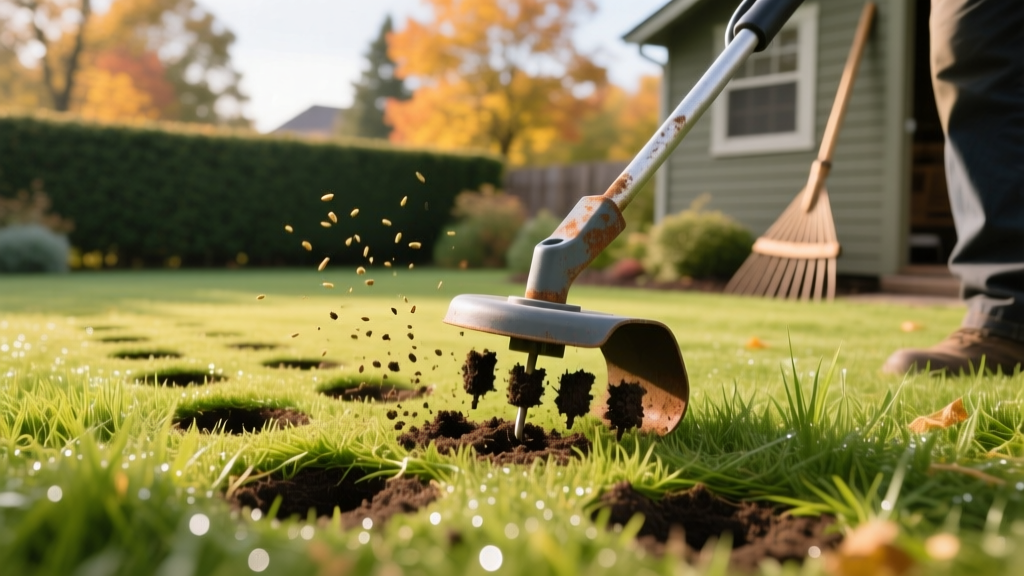
Core Aeration and Overseeding: The Ultimate Fall Lawn Guide
Mike RodriguezPublished
Why Combine Core Aeration and Overseeding?
Over time, even the most meticulously maintained cool-season lawns fall victim to soil compaction and thatch buildup. Foot traffic, heavy mowing equipment, and natural soil settling compress the dirt, choking off vital oxygen, water, and nutrients from the root zone. When grass roots cannot breathe, the turf thins out, leaving open spaces for invasive weeds to take over. This is where the powerful combination of core aeration and overseeding comes into play.
Core aeration involves using a machine to physically extract small plugs of soil and thatch from the lawn. This process alleviates compaction and creates direct channels to the root zone. When you pair this with overseeding—the process of planting new grass seed directly into an existing lawn—you create the ultimate environment for seed-to-soil contact. The seeds fall into the aeration holes, protected from wind and birds, and germinate directly in moist, nutrient-rich soil.
According to turfgrass experts at the University of Minnesota Extension, core aeration is one of the most effective cultural practices for improving lawn health, reducing water runoff, and enhancing drought tolerance. When combined with overseeding, it accelerates the thickening of the turf canopy, naturally crowding out weeds like crabgrass and dandelions.
Optimal Timing: When to Aerate and Overseed
Timing is everything when renovating a cool-season lawn. For grasses like Tall Fescue, Kentucky Bluegrass, and Perennial Ryegrass, early fall is the undisputed champion of lawn renovation. The ideal window opens in late August and closes by mid-October, depending on your specific hardiness zone.
During early fall, soil temperatures hover in the optimal 50°F to 65°F range, which triggers rapid seed germination. Meanwhile, cooler air temperatures (60°F to 75°F) reduce heat stress on young seedlings. Furthermore, fall overseeding gives the new grass two full growing seasons (fall and spring) to establish deep root systems before the brutal heat of summer arrives. Spring aeration and overseeding are generally discouraged for cool-season lawns because the emerging seedlings will be immediately subjected to summer heat stress and heavy competition from spring-germinating weeds.
Tools, Materials, and Estimated Costs
Before you begin, map out your budget and gather the necessary materials. Here is a breakdown of what you will need for a standard 5,000-square-foot lawn:
- Core Aerator Rental: Walk-behind aerators typically cost between $80 and $120 per day to rent from local hardware stores or equipment rental yards. Avoid tow-behind aerators for small to medium yards, as they often lack the weight to pull deep plugs.
- Grass Seed: High-quality, weed-free cool-season seed blends cost between $6 and $10 per pound. For a 5,000 sq ft lawn undergoing overseeding, expect to spend $50 to $80.
- Starter Fertilizer: A high-phosphorus starter fertilizer (e.g., 10-18-10) is crucial for root development. Budget around $40 to $60 for a bag that covers 5,000 sq ft.
- Lawn Drag or Mat: A piece of chain-link fence or a specialized lawn drag mat (around $30) to work the seed into the soil.
Step-by-Step Aeration and Overseeding Process
Step 1: Lawn Preparation
Start by mowing your lawn shorter than your usual maintenance height. For Tall Fescue, mow down to about 1.5 to 2 inches. Bag the clippings to expose the soil surface. Next, water the lawn deeply 24 hours before aerating. The soil should be moist but not muddy; if it is too dry, the aerator tines will not penetrate, and if it is too wet, the machine will sink and tear the turf. Finally, mark all shallow sprinkler heads, valve boxes, and invisible dog fences with brightly colored flags to prevent costly damage.
Step 2: The Core Aeration Passes
Run the core aerator over the lawn in two distinct passes. The first pass should be in a straight line across the yard, and the second pass should be perpendicular to the first, creating a crisscross pattern. This ensures maximum plug extraction. Aim for 20 to 40 holes per square foot. The tines should penetrate the soil to a depth of 2 to 3 inches. Leave the extracted soil plugs on the lawn; they will break down naturally over the next few weeks, returning valuable microbes and organic matter to the surface.
Step 3: Seed Application
Load your broadcast spreader with the appropriate amount of seed. To ensure even coverage, divide your total seed volume in half. Spread the first half while walking in horizontal rows, and spread the second half while walking in vertical columns. Pay special attention to bare spots, lightly hand-casting extra seed in those areas.
Step 4: Dragging and Topdressing
After spreading the seed, drag the lawn with a weighted chain-link fence or a specialized lawn mat. This vital step knocks the seed into the aeration holes and ensures firm seed-to-soil contact. If your soil is heavily compacted or clay-based, consider adding a thin layer of compost topdressing (about 1/4 inch thick) after dragging to retain moisture and provide an immediate nutrient boost to the germinating seeds.
Cool-Season Grass Specifications Chart
Different grass species require different seeding rates and aeration depths. Refer to the table below to calibrate your spreader and aerator correctly.
| Grass Type | Overseeding Rate (lbs / 1,000 sq ft) | Ideal Aeration Depth | Germination Time (Days) |
|---|---|---|---|
| Tall Fescue | 6.0 - 8.0 | 2 - 3 inches | 7 - 12 |
| Kentucky Bluegrass | 2.0 - 3.0 | 2 - 3 inches | 14 - 30 |
| Perennial Ryegrass | 5.0 - 6.0 | 2 - 3 inches | 5 - 10 |
Post-Care: Watering and Fertilization
The success of your overseeding project hinges entirely on your watering schedule. For the first 14 to 21 days, the top inch of soil must remain consistently moist. This usually requires light watering two to three times a day for 10 to 15 minutes per zone, depending on your soil type and local weather conditions. Avoid heavy, deep watering during this phase, as it will wash the seeds out of the aeration holes and cause them to pool in low spots.
Once the new grass reaches about 1.5 inches in height and has been mowed once, transition to a deeper, less frequent watering schedule. Watering deeply once or twice a week encourages the new roots to chase the moisture deeper into the soil profile, building drought resistance.
Regarding nutrition, apply a starter fertilizer on the same day you overseed. The Clemson University Home and Garden Information Center emphasizes that phosphorus is the key nutrient for stimulating rapid root growth in young seedlings. Look for a fertilizer with a middle number (phosphorus) of at least 15 or higher. Do not apply standard weed-and-feed products or pre-emergent herbicides during this time, as they will prevent your new grass seed from germinating.
Common Mistakes to Avoid
Even seasoned homeowners make errors when renovating their lawns. Avoid these common pitfalls to ensure a lush, thick result:
- Using a Spike Aerator: Spike aerators simply poke holes in the ground, which actually increases compaction along the sides of the holes. Always use a core aerator that physically removes soil plugs.
- Ignoring Soil Tests: If your soil pH is below 6.0 or above 7.5, the new grass will struggle to absorb nutrients regardless of how much fertilizer you apply. Always conduct a soil test before overseeding and apply lime or sulfur as recommended.
- Mowing Too Early: Wait until the new grass reaches at least 3 to 3.5 inches before the first mow. Ensure your mower blade is razor-sharp to prevent tearing the delicate young seedlings out of the ground.
Pro Tip: If you are dealing with a severe thatch problem (more than 0.5 inches of thatch layer), you may need to rent a power dethatcher before aerating. Removing the thatch barrier first ensures the aerator tines can reach the actual soil and that the seeds make direct contact with the dirt.
By following these detailed aeration and overseeding techniques, you will breathe new life into your tired, compacted lawn. The upfront investment of time and rental fees will pay dividends for years to come in the form of a dense, vibrant, and weed-resistant turf that stands up to the elements and heavy foot traffic.