Lawn Care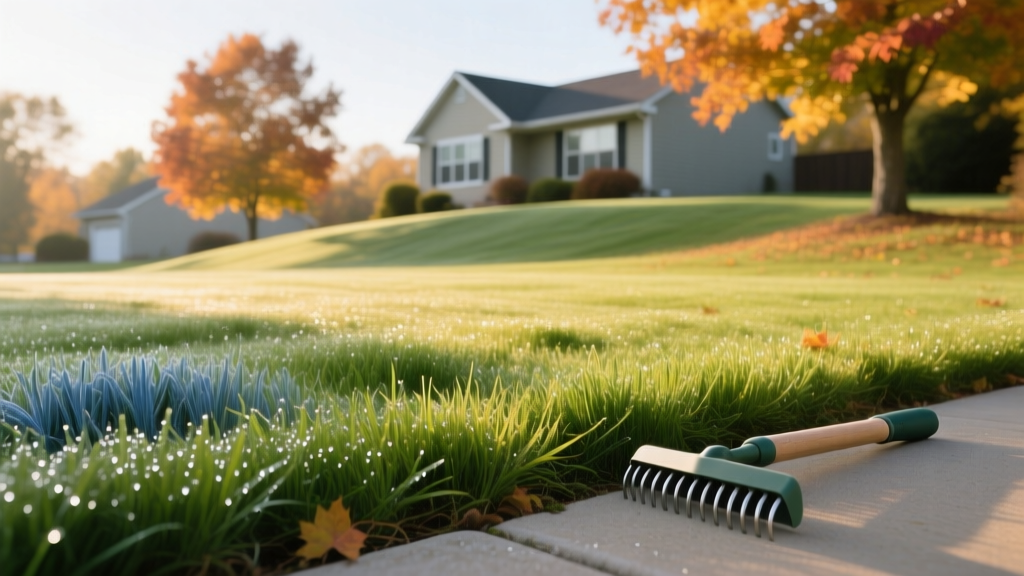
Ultimate Fall Lawn Care Schedule for Cool-Season Grasses
James MillerPublished
Why Fall is the Most Critical Season for Cool-Season Grasses
When it comes to maintaining a lush, vibrant lawn, most homeowners focus heavily on spring and summer maintenance. However, if you are growing cool-season grasses—such as Kentucky Bluegrass, Tall Fescue, Fine Fescue, or Perennial Ryegrass—fall is unequivocally the most important season of the year. During the sweltering summer months, cool-season grasses often enter a state of dormancy or severe stress, depleting their carbohydrate reserves just to survive the heat and drought. As autumn arrives and soil temperatures drop to the 50°F to 65°F range, these grasses experience a massive resurgence in root growth and energy storage.
According to turfgrass researchers at the Penn State Center for Turfgrass Science, the root development that occurs in the fall dictates the overall health, drought tolerance, and disease resistance of your lawn for the following spring and summer. A well-executed fall lawn care schedule ensures that your turf enters winter dormancy with a robust root system and ample energy reserves. This comprehensive guide provides a step-by-step, actionable checklist to help you aerate, overseed, fertilize, and prepare your cool-season lawn for the winter months.
Phase 1: Late Summer to Early Fall (Late August – Early September)
1. Conduct a Comprehensive Soil Test
Before applying any amendments, you must understand your soil's baseline chemistry. Cool-season grasses thrive in soil with a pH between 6.0 and 7.0. If your soil is too acidic (below 6.0), nutrients like phosphorus and potassium become locked up and unavailable to the roots. Purchase a mail-in soil test kit from your local university extension office or a reputable private lab like Logan Labs or Waypoint Analytical. Testing typically costs between $15 and $30 and takes about one to two weeks for results. If your pH is low, apply pelletized lime at the rate recommended by your test results (usually 20 to 50 lbs per 1,000 square feet) immediately, as lime takes months to alter soil chemistry.
2. Evaluate and Treat for Grubs
Early fall is when grubs (the larvae of Japanese beetles and June bugs) are actively feeding near the soil surface. If you dig up a one-square-foot section of your lawn and find more than 5 to 10 grubs, treatment is necessary. Apply a curative grub control product containing Trichlorfon (such as Dylox) which works within 24 to 48 hours. For a more organic approach, apply beneficial nematodes (Heterorhabditis bacteriophora) when the soil is moist, ensuring you water them in immediately to protect them from UV light.
Phase 2: Mid-Fall (Mid-September – Early October)
1. Core Aeration
Soil compaction is the silent killer of cool-season lawns. Compacted soil restricts oxygen, water, and nutrient flow to the root zone. Core aeration involves pulling 2-to-3-inch plugs of soil from the ground, alleviating compaction and creating micro-environments for new roots to expand. Rent a walk-behind core aerator from a local hardware store (typically $80 to $120 per day). For best results, water your lawn deeply 24 hours before aerating to ensure the tines can penetrate the soil. Leave the extracted soil cores on the lawn; they will break down naturally and help decompose thatch.
2. Overseeding for Density
Overseeding is the process of introducing new grass seed into an existing lawn to fill in bare spots, improve density, and introduce modern, disease-resistant cultivars. The Penn State Extension recommends overseeding cool-season lawns immediately after core aeration, as the seed will fall into the aeration holes, ensuring vital seed-to-soil contact.
- Kentucky Bluegrass: Apply 1 to 2 lbs of seed per 1,000 square feet. Opt for elite cultivars like 'Midnight' or 'Award' for superior color and rhizomatous spreading.
- Tall Fescue: Apply 6 to 8 lbs of seed per 1,000 square feet. Look for turf-type tall fescue (TTTF) blends that include endophytes for natural insect resistance.
- Perennial Ryegrass: Apply 4 to 5 lbs per 1,000 square feet for rapid germination and erosion control.
3. Apply a Starter Fertilizer
Newly germinated seeds require high levels of phosphorus to establish strong root systems. Apply a starter fertilizer with an N-P-K ratio similar to 10-18-10 or 18-24-12 immediately after overseeding. Use a broadcast spreader and ensure even coverage. Keep the top inch of soil consistently moist by watering lightly 2 to 3 times a day for the first 14 days until the seeds germinate.
Phase 3: Late Fall (Late October – November)
1. The Winterizer Fertilizer Application
The final fertilization of the year, often called the 'winterizer,' is arguably the most important nutrient application for cool-season grasses. This application should be made after the final mowing of the season but before the ground freezes solid. The goal is not to stimulate top growth, but to provide the plant with nitrogen and potassium that it can absorb and store in its roots for the winter. Look for a fertilizer with a high potassium content (the third number in the N-P-K ratio), such as a 24-0-10 or 32-0-10 blend. Potassium acts like antifreeze within the plant cells, increasing cold hardiness and reducing the risk of winter desiccation and snow mold.
2. Final Mowing and Height Adjustment
As growth slows in November, gradually lower your mower deck. While cool-season grasses prefer a 3 to 4-inch height during the summer to shade out weeds and retain moisture, leaving the grass too long over the winter invites snow mold and provides a cozy habitat for voles and mice. Drop your mowing height down to 2 or 2.5 inches for the final cut of the season. Never remove more than one-third of the grass blade in a single mowing session to avoid stressing the turf.
3. Leaf Management and Cleanup
A thick layer of fallen leaves will smother your lawn, blocking sunlight and trapping excess moisture that leads to fungal diseases. Instead of raking and bagging, consider mulching your leaves with a mulching mower. The United States Department of Agriculture (USDA) notes that mulched leaves decompose rapidly, returning valuable organic matter and micronutrients to the soil food web. If the leaf cover is too thick to mulch effectively, use a leaf blower or a lawn vacuum to remove the debris, and add it to your compost pile.
Fall Lawn Care Checklist and Cost Breakdown
Budgeting for lawn care can be challenging, especially when factoring in equipment rentals and specialized products. Below is a structured breakdown of the essential fall tasks, the required products, and the estimated costs for an average-sized lawn of 5,000 square feet.
| Task | Optimal Timing | Product / Tool Required | Est. Cost (5,000 sq ft) |
|---|---|---|---|
| Soil Testing | Late August | Mail-in Lab Test Kit | $20 - $30 |
| Curative Grub Control | Early September | Trichlorfon Granules (e.g., Dylox) | $15 - $25 |
| Core Aeration | Mid-September | Walk-behind Core Aerator Rental | $80 - $120 (per day) |
| Overseeding | Mid-September | Turf-Type Tall Fescue Seed (35 lbs) | $70 - $100 |
| Starter Fertilizer | Mid-September | High-Phosphorus Granular (10-18-10) | $25 - $35 |
| Winterizer Fertilizer | Late October / November | High-Potassium Granular (24-0-10) | $30 - $45 |
| Leaf Mulching / Cleanup | November | Mulching Mower Blades / Leaf Blower | $0 - $60 (Fuel/Electricity) |
Note: Costs are estimates and may vary based on your geographic location, brand preferences, and whether you choose organic or synthetic products.
Common Fall Lawn Care Mistakes to Avoid
Even with the best intentions, homeowners often make critical errors during the fall season that compromise their lawn's health. Avoid these common pitfalls:
- Fertilizing Too Late: Applying nitrogen after the ground has frozen or when the grass is fully dormant will not benefit the lawn. The nutrients will simply wash away into local waterways during winter thaws, contributing to environmental pollution.
- Overseeding Without Soil Contact: Simply broadcasting seed over an existing, thatchy lawn is a waste of money. Seed must touch bare soil to germinate properly. Always pair overseeding with core aeration or heavy dethatching.
- Using Weed and Feed During Seeding: Most broadleaf herbicides and pre-emergent crabgrass preventers will inhibit the germination of your new grass seed. If you are overseeding, avoid applying any herbicides for at least 4 to 6 weeks before and after seeding.
- Ignoring Snow Mold Prevention: Leaving grass too long or failing to clear heavy leaf litter creates the perfect humid environment for Typhula snow mold. Keep the lawn trimmed and clean before the first heavy snowfall.
Expert Tips for Long-Term Success
'The secret to a pristine spring lawn is actually written in the fall. Homeowners who invest time and resources into autumn aeration, strategic overseeding, and late-season potassium applications will spend significantly less time and money fighting weeds and drought stress the following July.'
Consistency is the cornerstone of elite lawn care. By treating your lawn as a living ecosystem that requires specific inputs at specific times of the year, you transition from reactive maintenance to proactive turf management. Keep detailed records of the products you apply, the dates of application, and the weather conditions. Over time, this data will allow you to fine-tune your fall lawn care schedule to the exact microclimate of your yard, ensuring your cool-season grass remains the envy of the neighborhood year after year.