Lawn Care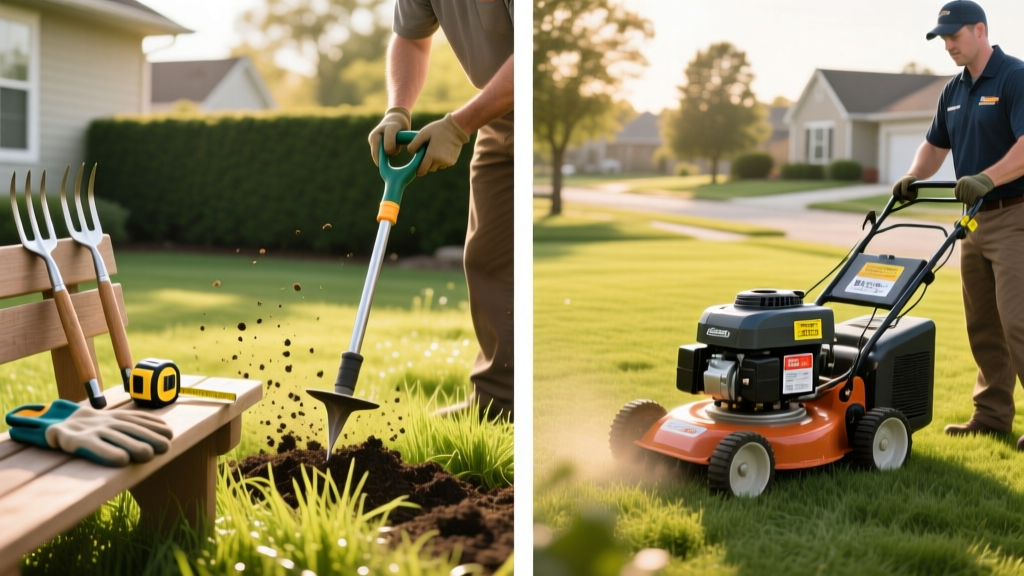
Lawn Aeration Cost Guide: DIY vs Professional Pricing
Emily WatsonPublished
Understanding Lawn Aeration and Its Value
Lawn aeration is a critical maintenance practice that involves perforating the soil with small holes to allow air, water, and nutrients to penetrate the grass roots. Over time, foot traffic, heavy equipment, and natural settling cause soil compaction, which suffocates roots and leads to thin, unhealthy turf. While spike aeration simply pokes holes into the ground, core aeration (the industry standard) removes small plugs of soil, actively relieving compaction and encouraging deeper root growth.
For homeowners weighing their options, the decision usually comes down to hiring a professional lawn care service or renting equipment to do it yourself. Understanding the true costs, hidden fees, and return on investment for both routes is essential before you commit your weekend or your budget to this vital lawn care task.
Average Cost of Professional Lawn Aeration
Hiring a professional lawn care company to aerate your yard is the most convenient and effective method. Professionals use commercial-grade, stand-on or walk-behind core aerators that are significantly heavier and more effective than consumer rental models. The national average cost for professional lawn aeration ranges from $150 to $300, but pricing is heavily dependent on the size of your lawn and your geographic location.
Most companies price their services based on total square footage or lot size. Here is a general breakdown of what you can expect to pay for professional core aeration:
- Small Lawns (1,000 - 3,000 sq. ft.): $75 to $120. Many companies have a minimum service call fee, which often sits around $75 to $100 regardless of how small the turf area is.
- Medium Lawns (3,000 - 5,000 sq. ft.): $120 to $180. This is the most common suburban lot size for dedicated turf areas.
- Large Lawns (5,000 - 10,000 sq. ft.): $180 to $350. Larger properties may see a slight discount on a per-square-foot basis.
- Per Square Foot Average: Generally, professionals charge between $0.03 and $0.06 per square foot for standalone aeration services.
Keep in mind that these prices are for standalone aeration. Many homeowners choose to bundle aeration with overseeding and fertilizer application, which will increase the overall cost but drastically improve the results.
The True Cost of DIY Lawn Aeration
At first glance, DIY lawn aeration seems like a massive money-saver. Renting a walk-behind core aerator from a local home improvement store or equipment rental yard typically costs between $70 and $100 for a full day, or $45 to $60 for a four-hour half-day rental. However, the rental fee is only a fraction of the actual cost and effort involved.
When budgeting for a DIY aeration project, you must account for several hidden expenses:
- Transportation: Commercial aerators weigh between 200 and 350 pounds. They will not fit in the trunk of a sedan. If you do not own a pickup truck or a suitable trailer, you will need to rent a truck or trailer, which can add $50 to $150 to your total bill.
- Fuel: Rental aerators run on gasoline. You will need to purchase fuel and return the tank full, adding $10 to $20.
- Prep Work and Marking: You are responsible for calling your local utility marking service (like 811) and manually flagging all shallow sprinkler heads and invisible dog fences to prevent catastrophic damage. Hitting a sprinkler line can result in hundreds of dollars in repair costs.
- Physical Labor: Maneuvering a 300-pound, self-propelled machine that wants to pull itself across your yard is exhausting. It requires significant physical strength, especially when turning around at the end of a pass.
Cost Comparison: Professional vs. DIY Aeration
To visualize the financial and time investment, here is a side-by-side comparison based on an average 5,000-square-foot lawn.
| Feature | Professional Service | DIY Equipment Rental |
|---|---|---|
| Equipment Cost | Included in service fee | $85 (Full Day Rental) |
| Transport / Fuel | $0 | $60 (Truck rental + Gas) |
| Labor Time | 0 hours (30 mins for crew) | 4-6 hours (including transport) |
| Risk of Property Damage | Low (Insured professionals) | High (Sprinklers, fences) |
| Estimated Total Cost | $150 - $180 | $145 - $175 |
As the table illustrates, the financial savings of DIY aeration are often negligible once transportation and fuel are factored in, making professional services a highly attractive option for those who value their time and physical well-being.
Key Factors That Influence Your Total Bill
Whether you hire a pro or rent equipment, several property-specific variables can drive the cost up or down:
1. Soil Type and Compaction Levels
Lawns with heavy clay soil require multiple passes in different directions to effectively break up compaction. According to the Colorado State University Extension, clay-heavy soils may even require twice-yearly aeration. Professionals may charge 20% to 30% more for heavy clay soils due to the extra time and wear-and-tear on their equipment.
2. Terrain and Obstacles
Steep slopes, numerous garden beds, narrow gates, and intricate landscaping require smaller, less efficient equipment or extensive manual maneuvering. Flat, wide-open rectangular lawns are the cheapest and fastest to aerate.
3. Bundling with Overseeding and Fertilization
Aeration is the perfect precursor to overseeding. The holes created by the aerator provide direct seed-to-soil contact, which is vital for germination. Adding overseeding to an aeration service typically adds $0.05 to $0.12 per square foot, depending on the quality and type of grass seed used. While this increases the upfront cost, it provides the highest return on investment for a thick, weed-resistant lawn.
Timing Your Aeration for Maximum ROI
Timing is everything in lawn care, and scheduling your aeration during the optimal growing season ensures your money is well spent. The University of Minnesota Turfgrass Science program emphasizes that aeration should always coincide with a grass type's peak growing season so the turf can quickly recover and fill in the holes.
- Cool-Season Grasses (Kentucky Bluegrass, Fescue, Ryegrass): Best aerated in early fall (late August to October). Spring aeration is a secondary option but can invite weed seeds to germinate in the open holes.
- Warm-Season Grasses (Bermuda, Zoysia, St. Augustine): Best aerated in late spring to early summer (May to July) when the grass is actively growing and can rapidly heal.
Pricing Note: Because fall is the absolute peak season for lawn care companies in northern climates, you may face longer wait times or peak-season pricing. Booking early in the summer for a fall slot can sometimes secure a better rate.
Is Professional Aeration Worth the Investment?
When evaluating the cost, it is important to look at the long-term financial benefits of a healthy lawn. Compacted soil repels water and fertilizer, meaning you are essentially wasting money on products that simply run off into the street. The EPA WaterSense program notes that proper lawn maintenance, including aeration, improves water infiltration, reducing the need for excessive irrigation and preventing fertilizer runoff into local waterways.
By investing $150 to $200 annually in professional aeration, you improve the efficacy of your watering and fertilizing routines, potentially saving money on water bills and turf replacement down the line. Furthermore, a thick, deeply rooted lawn naturally crowds out weeds, reducing the need for expensive chemical herbicides.
Money-Saving Tips for Homeowners
If you are determined to keep your lawn care budget as lean as possible, consider these strategies:
- Neighborhood Group Discounts: Many lawn care companies offer 10% to 20% discounts if you can get three or more neighbors to book aeration on the same day. This saves the company travel time and fuel, and they pass the savings on to you.
- Share a Rental: If you opt for the DIY route, split the cost of a full-day rental and a truck rental with a neighbor. You can easily aerate two average-sized lawns in a single 8-hour rental period if you work efficiently.
- Manual Aerators for Small Spaces: If you only have a small patch of grass or a heavily fenced backyard where a machine cannot fit, a manual foot-operated core aerator costs between $25 and $40. It is labor-intensive but entirely eliminates the need for gas and truck rentals.
Ultimately, whether you choose to sweat it out with a rental machine or write a check to a local pro, core aeration is a non-negotiable expense for maintaining a vibrant, resilient, and beautiful lawn year after year.