Lawn Care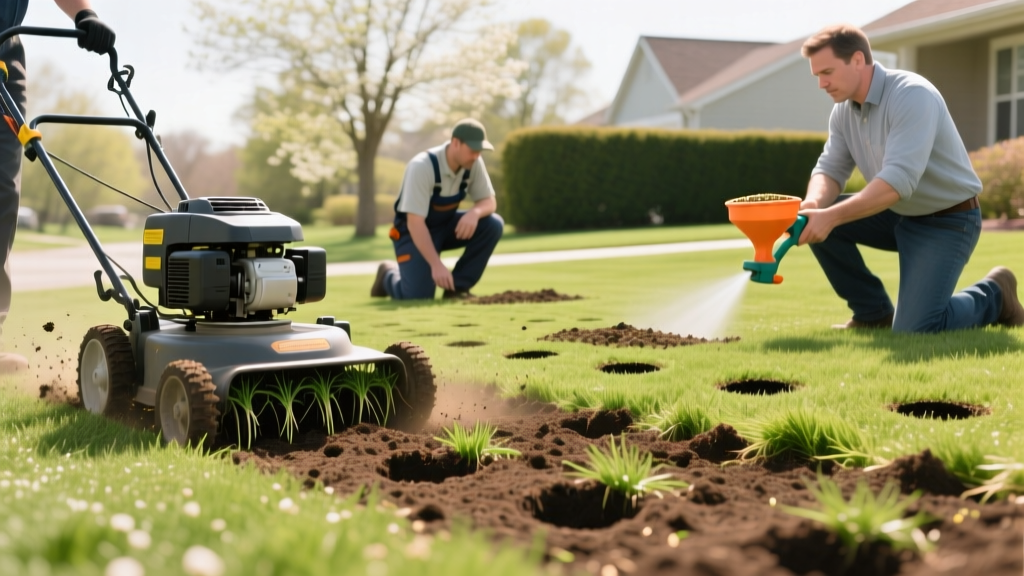
Lawn Aeration and Overseeding Costs: DIY vs Professional Services
James MillerPublished
The True Cost of Lawn Aeration and Overseeding
Maintaining a lush, vibrant lawn requires more than just regular mowing and watering. Over time, soil becomes compacted, and thatch builds up, choking grassroots and preventing essential nutrients, water, and oxygen from reaching the soil. This is where lawn aeration and overseeding come into play. Core aeration alleviates soil compaction by removing small plugs of earth, while overseeding introduces new, resilient grass varieties to fill in bare spots and crowd out weeds. However, homeowners frequently face a common dilemma: should you rent the equipment and tackle this labor-intensive project yourself, or hire a professional lawn care service? Understanding the complete pricing breakdown of both routes is essential for making an informed decision that aligns with your budget and landscaping goals.
Professional Lawn Aeration and Overseeding Costs
Hiring a professional lawn care company ensures the job is done efficiently with commercial-grade equipment and premium seed blends. According to Bob Vila's lawn aeration cost guide, the national average cost for professional lawn aeration ranges from $150 to $300 for a standard quarter-acre lawn. When you add overseeding to the service, the price typically increases, bringing the combined total to anywhere between $250 and $600, depending on the size of your property and the quality of the seed used.
Professionals generally charge between $0.10 and $0.35 per square foot for aeration and overseeding services. For a 5,000-square-foot lawn, you can expect to pay around $500 to $750. This price usually includes the cost of the core aeration, premium grass seed, starter fertilizer, and the labor required to execute the service flawlessly. Furthermore, professional crews use heavy, commercial-grade aerators that pull deeper, wider soil cores than residential rental models, ensuring optimal seed-to-soil contact.
The True Cost of the DIY Route
Many homeowners assume that the DIY route is significantly cheaper, but the costs can quickly add up when you factor in equipment rentals, materials, and the value of your own time. To do it yourself, you will need to rent a core aerator from a local hardware store or equipment rental center. A half-day or full-day rental for a walk-behind core aerator typically costs between $70 and $120. However, these machines are incredibly heavy (often weighing over 250 pounds) and require a truck or trailer to transport, which may incur additional rental fees if you do not own a suitable vehicle.
Beyond the equipment, you must purchase high-quality grass seed. Seed prices vary wildly based on the grass type and quality. A 50-pound bag of premium Tall Fescue or Kentucky Bluegrass blend can cost between $150 and $250. You will also need a starter fertilizer to promote rapid root growth, which adds another $40 to $70 to your total. When you tally the rental, seed, fertilizer, and fuel, the out-of-pocket DIY cost for a 5,000-square-foot lawn often falls between $260 and $440. While this is slightly cheaper than hiring a pro, it does not account for the 8 to 12 hours of grueling physical labor required to mow the lawn short, run the heavy aerator in multiple directions, spread the seed, and clean up the equipment.
Grass Seed Pricing by Variety
The type of grass you choose to overseed with will heavily influence your material costs. Cool-season grasses are typically overseeded in the early fall, while warm-season grasses are overseeded in the late spring. Here is a breakdown of average seed costs per pound:
- Kentucky Bluegrass: $8 to $12 per pound. Known for its beautiful color and density, but requires more water and maintenance.
- Tall Fescue: $5 to $8 per pound. Highly drought-tolerant and excellent for high-traffic areas, making it a favorite for residential lawns.
- Perennial Ryegrass: $4 to $7 per pound. Germinates very quickly and is often used as a nurse grass to protect slower-growing seeds.
- Bermudagrass (Warm-Season): $10 to $15 per pound. Excellent for southern climates, highly durable, and aggressively spreads.
- Zoysia (Warm-Season): $15 to $25 per pound. Very expensive seed, often established via plugs or sod instead, but offers a dense, weed-resistant turf.
Cost Comparison Table: DIY vs. Professional Services
To help you visualize the financial commitment, here is a side-by-side comparison of the estimated costs for a standard 5,000-square-foot lawn.
| Expense Category | DIY Cost Estimate | Professional Cost Estimate |
|---|---|---|
| Core Aerator Rental / Labor | $80 - $120 (Rental) | $250 - $400 (Labor & Equipment) |
| Premium Grass Seed (50 lbs) | $150 - $250 | Included in Service |
| Starter Fertilizer | $40 - $70 | Included in Service |
| Transportation / Fuel | $30 - $60 | Included in Service |
| Time Investment | 8 - 12 Hours | 1 - 2 Hours |
| Total Estimated Cost | $300 - $500 | $500 - $750 |
Key Factors That Influence Your Total Pricing
Whether you choose to DIY or hire a professional, several variables will dictate your final bill. Understanding these factors can help you anticipate costs and budget accordingly.
1. Lawn Size and Accessibility
Larger lawns benefit from economies of scale. While a small 2,000-square-foot urban yard might cost $0.25 per square foot to aerate, a sprawling 15,000-square-foot suburban estate might drop to $0.10 per square foot. Additionally, if your yard has steep slopes, narrow gates, or numerous obstacles (like garden beds and trees), professionals may charge a premium for the extra time and maneuverability required.
2. Soil Condition and Compaction Levels
Lawns with heavy clay soil or severe compaction may require a 'double-pass' aeration, where the aerator is run over the lawn twice in perpendicular directions. This doubles the labor time and fuel consumption, increasing the overall cost by 30% to 50%. The University of Minnesota Extension notes that heavy clay soils common in many regions require regular, aggressive aeration to maintain healthy turf structure, which can impact long-term maintenance budgets.
3. Geographic Location
Labor rates and material costs vary significantly by region. Homeowners in the Northeast and Pacific Northwest typically pay 15% to 20% more for lawn care services than those in the Midwest or South, reflecting the higher cost of living and regional business operating expenses.
Hidden Costs and Post-Aeration Care
When budgeting for lawn renovation, many homeowners forget to account for the post-aeration care required to ensure seed germination. Overseeded lawns require consistent moisture for the first two to three weeks. This means you will need to water the lawn lightly two to three times a day, which can noticeably increase your monthly water bill. Furthermore, if you choose to topdress your lawn with compost after aeration to improve soil biology, you will need to budget an additional $150 to $300 for bulk compost delivery and the labor to spread it evenly across the turf.
Is Hiring a Professional Worth the Investment?
The decision ultimately comes down to your physical capability, available time, and access to equipment. Core aerators are notoriously difficult to handle; they can easily pull you across the lawn or damage sprinkler heads and shallow utility lines if not operated correctly. Professionals carry the insurance and expertise to navigate these hazards. Moreover, industry standards from the National Association of Landscape Professionals (NALP) suggest that professional turf management yields a higher return on investment when it comes to curb appeal and property value, largely because pros use certified, weed-free seed blends and commercial-grade starter fertilizers that are not always available at big-box retail stores.
Actionable Tips for Saving Money on Lawn Renovation
If you want to maximize your lawn care budget, consider these strategic tips:
- Time it Right: Cool-season grasses must be aerated in early fall, while warm-season grasses should be done in late spring. Doing it off-season wastes money on seed that will fail to germinate.
- Bundle Services: Many lawn care companies offer discounts if you bundle aeration and overseeding with your fall fertilization, weed control, or leaf cleanup packages.
- Neighborhood Discounts: Landscaping companies save money on travel and fuel when they can service multiple homes on the same street. Organize a neighborhood group to secure a 10% to 15% bulk discount.
- Mark Your Utilities: Always call 811 before aerating to mark underground utilities. Hitting a gas or fiber-optic line will turn a $500 lawn care project into a multi-thousand-dollar disaster.
By carefully weighing the physical demands and material costs of the DIY route against the convenience and expertise of professional services, you can choose the best path to achieve a thick, healthy, and resilient lawn for years to come.