Lawn Care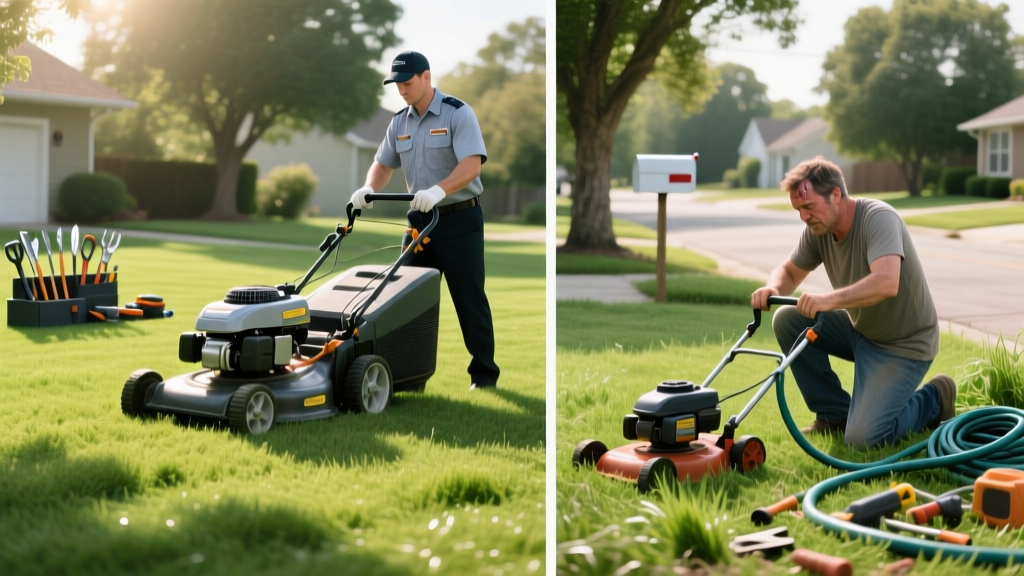
2024 Lawn Care Costs: Hiring Professionals vs DIY
Sarah ChenPublished
The Great Debate: Professional Lawn Care vs. DIY Maintenance
Every spring, homeowners face a familiar dilemma: should they invest their hard-earned money into professional lawn care services, or roll up their sleeves and tackle the yard work themselves? The decision is rarely as simple as it seems. While the DIY route is often perceived as the budget-friendly option, the hidden costs of equipment, materials, and most importantly, your time, can quickly add up. Conversely, hiring a professional landscaping company offers convenience and expertise, but requires a significant ongoing financial commitment.
Understanding the true financial landscape of lawn maintenance is crucial for making an informed decision that aligns with your budget, schedule, and landscaping goals. In this comprehensive pricing guide, we will break down the average costs of professional lawn care services, analyze the upfront and ongoing expenses of the DIY approach, and help you determine which route offers the best return on investment for your specific situation.
Average Cost of Professional Lawn Care Services
The cost of hiring a professional lawn care company varies widely based on your geographic location, the size of your lawn, the terrain, and the specific services you require. According to comprehensive industry data from HomeGuide, the national average cost for basic lawn mowing and edging ranges from $30 to $80 per visit. However, most homeowners opt for a more comprehensive maintenance plan that includes fertilization, weed control, and seasonal cleanups.
Full-service lawn care packages typically cost between $100 and $300 per month. These packages often bundle essential treatments that keep your turf thick, green, and resistant to pests. Specialized services, such as core aeration or dethatching, are usually billed as one-time seasonal add-ons. Below is a detailed breakdown of average professional lawn care pricing for standard residential properties (up to 5,000 square feet of turf).
| Service Type | Average Cost Range | Typical Frequency |
|---|---|---|
| Basic Mowing & Edging | $30 - $80 per visit | Weekly / Bi-weekly |
| Fertilization & Weed Control | $50 - $100 per application | 4 - 6 times per year |
| Core Aeration | $75 - $200 per service | Annually (Fall/Spring) |
| Grub & Pest Prevention | $40 - $80 per application | Annually (Late Spring) |
| Seasonal Leaf Cleanup | $150 - $400 per service | Autumn / Spring |
Breaking Down the Costs of DIY Lawn Care
Many homeowners assume that doing the work themselves will save them thousands of dollars. While it is true that you eliminate the markup on labor, the DIY route requires substantial capital investment in equipment and a continuous budget for consumable materials. If you are starting from scratch, the initial setup costs can easily rival a full year of professional basic maintenance.
Equipment Investments and Depreciation
To maintain a healthy lawn, you need reliable machinery. A high-quality, self-propelled gas or battery-powered push mower will cost between $300 and $600. If you have a larger property (over half an acre), a riding mower or zero-turn tractor is almost mandatory, pushing your initial equipment investment to anywhere from $2,500 to over $5,000. Additionally, you will need a string trimmer ($100 - $250), a leaf blower ($100 - $200), and a spreader for fertilizer ($50 - $100).
Furthermore, gas-powered equipment requires ongoing maintenance, including oil changes, spark plug replacements, air filter cleanings, and winterization. Battery-powered alternatives reduce maintenance costs but come with the eventual expense of replacing expensive lithium-ion batteries every 3 to 5 years.
Consumables and Materials
Beyond the machinery, your lawn requires regular inputs to thrive. A standard 40-pound bag of premium, slow-release lawn fertilizer costs between $30 and $60 and typically covers 5,000 to 10,000 square feet. To maintain a pristine lawn, you will need to apply fertilizer 4 to 5 times a year. Weed control products, grass seed for overseeding patchy areas, and grub prevention chemicals will add another $100 to $250 to your annual material costs.
| DIY Expense Category | Estimated Initial Cost | Annual Upkeep Cost |
|---|---|---|
| Push Mower (Gas/Battery) | $300 - $600 | $50 - $100 (Maintenance) |
| String Trimmer & Blower | $200 - $450 | $30 - $60 (Line/Gas) |
| Fertilizer & Weed Control | N/A | $150 - $300 |
| Grass Seed & Soil Amendments | N/A | $50 - $150 |
Pro Tip: Before spending hundreds of dollars on DIY fertilizers and amendments, invest $15 to $30 in a professional soil test through your local university cooperative extension. This prevents you from wasting money on nutrients your soil already has in abundance and ensures you are applying the exact chemical balance your specific turf needs.
The Hidden Variable: Calculating the Value of Your Time
The most frequently overlooked cost in the DIY vs. Professional debate is the opportunity cost of your time. Maintaining a standard quarter-acre lawn takes the average homeowner between 1.5 and 3 hours per week during the peak growing season. This includes mowing, trimming, edging, and blowing off hard surfaces. When you factor in the time spent traveling to the garden center, purchasing materials, applying treatments, and performing equipment maintenance, you are easily dedicating 80 to 120 hours per year to lawn care.
If you value your weekend leisure time at even a modest $25 per hour, those 100 hours represent $2,500 in lost personal time. For busy professionals, families with young children, or individuals with physical limitations, outsourcing this labor to a professional service is not just a luxury; it is a strategic purchase of free time. Data from Angi suggests that the primary driver for homeowners switching from DIY to professional services is not a lack of skill, but a lack of available time to maintain a consistent schedule.
Environmental and Expertise Factors
While the financial costs are paramount, the environmental and aesthetic costs of improper lawn care must also be considered. Professional lawn care technicians are licensed and trained to apply chemicals safely and effectively. They understand the precise timing required for pre-emergent crabgrass preventers and the correct application rates for nitrogen-heavy fertilizers.
DIY enthusiasts often fall into the trap of over-applying fertilizers or herbicides, believing that "more is better." This not only wastes money but can lead to fertilizer burn, killing your grass and requiring expensive reseeding. Furthermore, excessive chemical runoff from over-fertilized DIY lawns contributes to local waterway pollution. Professionals utilize commercial-grade products that are often more effective at lower application rates than the diluted consumer-grade products available at big-box hardware stores.
When to Hire a Pro and When to DIY
Deciding between professional services and DIY maintenance ultimately depends on a matrix of your budget, lawn size, and personal preferences. Here is a practical guide to help you choose the right path:
- Choose DIY if: You have a small to medium-sized lawn (under 5,000 sq ft), you genuinely enjoy outdoor physical activity, you have secure storage for equipment, and you are willing to commit to a strict, bi-weekly mowing and seasonal treatment schedule.
- Hire a Professional if: You have a large property, complex landscaping with numerous garden beds, a busy lifestyle that prevents consistent weekend maintenance, or if your lawn is suffering from severe pest, disease, or weed infestations that require commercial-grade interventions.
- The Hybrid Approach: Many homeowners find a middle ground by handling the weekly mowing and trimming themselves to save on the highest recurring labor costs, while hiring a professional service strictly for chemical applications (fertilization, weed control, and grub prevention). This hybrid model often yields the best balance of budget conservation and lawn health.
Conclusion
There is no universally "correct" answer to the professional versus DIY lawn care debate. As highlighted by cost analysis from Forbes Home, the pricing of landscaping services continues to fluctuate based on regional labor shortages and inflation, making the DIY route financially attractive for those who already own their equipment. However, when you factor in the depreciation of machinery, the rising cost of consumer-grade chemicals, and the sheer volume of weekend hours consumed, professional lawn care often provides a higher return on investment in the form of guaranteed results and reclaimed personal time. Evaluate your local quotes, audit your current equipment, and decide what your weekends are truly worth to you.