Lawn Care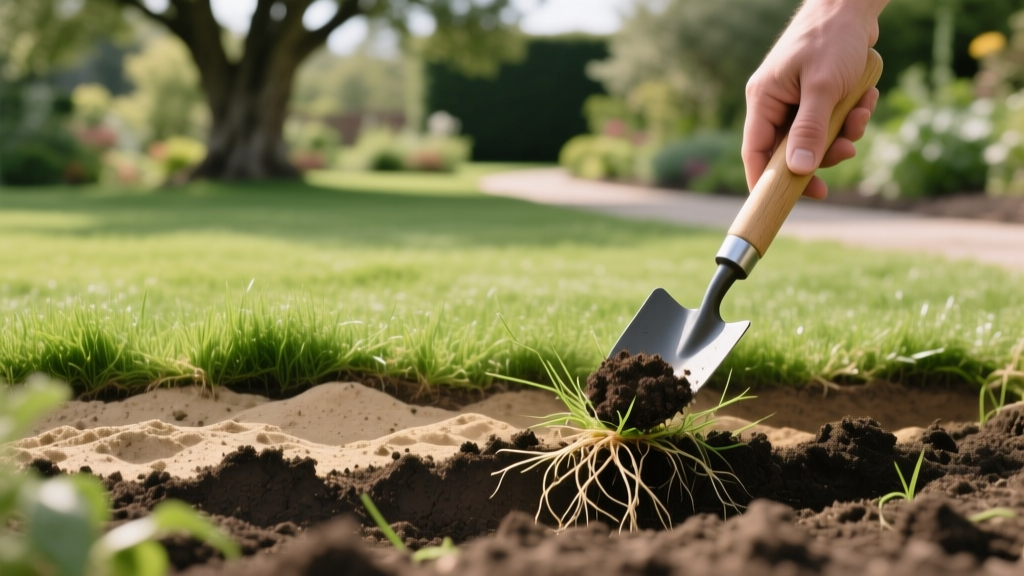
The Ultimate Guide to Matching Grass and Soil Types
Lisa ThompsonPublished
Why Soil and Grass Matching Matters
One of the most common reasons homeowners struggle with thinning turf, persistent weeds, and poor drought tolerance is a fundamental mismatch between their chosen grass species and their underlying soil type. Planting a moisture-loving grass in fast-draining sandy soil, or a shallow-rooted grass in heavy, compacted clay, sets your lawn up for failure before the first seed even germinates. Understanding your soil profile is the bedrock of professional lawn care. By correctly identifying whether your yard consists of sand, silt, clay, or loam, you can select grass varieties that will naturally thrive, reducing your long-term water, fertilizer, and maintenance costs.
The Big Four: Understanding Soil Types
Soil is primarily categorized by the size of its mineral particles. Sand particles are the largest, silt is medium, and clay particles are microscopic. Loam is the holy grail of gardening—a relatively balanced mixture of all three, enriched with organic matter. Here is a breakdown of how each soil type behaves in a lawn environment:
1. Sandy Soil
Sandy soil feels gritty to the touch. Because the particles are large, water and nutrients drain through it rapidly. While this prevents waterlogging and root rot, it also means that fertilizers are quickly leached away before the grass roots can absorb them. Sandy soils warm up quickly in the spring, promoting early green-up, but they require frequent irrigation and slow-release feeding schedules.
2. Clay Soil
Clay soil feels sticky when wet and hard like concrete when dry. The microscopic particles pack tightly together, leaving very little room for air or water to move. While clay is naturally rich in minerals and nutrients, its poor drainage and severe compaction issues make it difficult for delicate grass roots to penetrate and establish.
3. Silt Soil
Silt particles are smaller than sand but larger than clay. Silt feels smooth and almost flour-like when dry, and slippery when wet. It holds moisture and nutrients better than sand but is highly susceptible to erosion and surface crusting, which can block water from reaching the root zone during heavy rains.
4. Loam Soil
Loam is the ideal lawn soil. It typically contains roughly 40% sand, 40% silt, and 20% clay, along with a healthy dose of organic matter. It offers the perfect balance of moisture retention, drainage, aeration, and nutrient-holding capacity. Almost any grass species will thrive in a true loam, provided the pH is balanced.
| Soil Type | Drainage Rate | Nutrient Retention | Aeration | Best Grass Matches |
|---|---|---|---|---|
| Sand | Very Fast | Low | High | Bermudagrass, Zoysiagrass, Tall Fescue |
| Silt | Moderate | High | Moderate | Perennial Ryegrass, Kentucky Bluegrass |
| Clay | Very Slow | Very High | Low | Buffalograss, Tall Fescue, Bermudagrass |
| Loam | Ideal | High | Ideal | St. Augustine, Centipedegrass, Fine Fescue |
How to Test Your Soil at Home
Before buying seed or sod, you must confirm your soil type. According to the University of Minnesota Extension, professional soil testing is highly recommended for precise pH and nutrient data, but you can easily determine your soil texture at home using the Mason Jar Test.
The Mason Jar Soil Test
- Dig down about 4 inches below the thatch layer and collect a cup of soil from several different areas of your lawn.
- Remove any rocks, roots, or debris, and place the soil into a large, clear mason jar.
- Fill the jar with water, leaving an inch of space at the top. Add a teaspoon of liquid dish soap to help separate the particles.
- Shake vigorously for 3 minutes, then set the jar on a flat surface and leave it undisturbed for 24 to 48 hours.
- Observe the layers: Sand will settle at the bottom within a minute, silt will settle in the middle after a few hours, and clay will settle at the top after 24 hours. Organic matter will float.
Measure the thickness of each layer to determine your soil's dominant composition. If your clay layer is exceptionally thick, you are dealing with heavy clay soil and must choose your grass accordingly.
Best Grasses for Sandy Soils
If your lawn is predominantly sandy, you need grass species with deep, aggressive root systems that can chase water deep into the earth and survive periods of low nutrient availability.
Warm-Season Options
Bermudagrass: Highly drought-tolerant with a deep root system that thrives in well-draining, sandy soils. It requires full sun and recovers quickly from foot traffic.
Zoysiagrass: Particularly the 'Meyer' or 'Zeon' varieties, Zoysia establishes a dense, deep root network that anchors it firmly in loose sand while choking out weeds.
Cool-Season Options
Tall Fescue: As noted by the NC State Extension Turfgrass Program, Tall Fescue is highly adaptable and features the deepest root system of all cool-season grasses, making it the best choice for sandy soils in transition zones.
Sandy Soil Maintenance Action Plan
- Watering: Apply 0.5 inches of water twice a week rather than 1 inch all at once. Heavy watering will simply leach past the root zone.
- Fertilization: Avoid fast-release synthetic fertilizers. Use slow-release organic options like Milorganite or Espoma Organic Lawn Food (NPK 7-2-2). These release nutrients gradually, preventing them from washing away. Cost: $25-$35 per 36lb bag.
- Amendments: Top-dress with 1/4 inch of screened compost annually in the fall to improve organic matter and water retention. Expect to pay $30-$50 per cubic yard of bulk compost.
Best Grasses for Clay Soils
Clay soils are prone to severe compaction, which suffocates roots and causes water to pool on the surface. You need grasses that can tolerate low oxygen environments and push through dense earth.
Warm-Season Options
Buffalograss: A native prairie grass that is incredibly tough and adapted to heavy, native clay soils. It requires very little water or fertilizer once established.
Bermudagrass: The Texas A&M AgriLife Extension frequently recommends Bermudagrass for heavy clay because its aggressive rhizomes can penetrate compacted layers and stabilize the soil.
Cool-Season Options
Tall Fescue: Once again, Tall Fescue proves its versatility. Its deep, thick roots can physically fracture hard clay pans, improving soil structure over time.
Kentucky Bluegrass (KBG): While KBG prefers loam, modern rhizomatous varieties can spread well in clay provided the lawn is regularly aerated.
Clay Soil Maintenance Action Plan
- Aeration: Core aeration is non-negotiable for clay. You must pull 3-inch plugs of soil every fall (for cool-season grass) or late spring (for warm-season grass) to relieve compaction. Renting an aerator costs about $70-$90 per day, or hire a professional for $150-$200 per 5,000 sq ft.
- Amendments: Apply liquid gypsum (such as N-EXT Air8 or Liquid Gypsum) at a rate of 3 oz per 1,000 sq ft. Gypsum helps bind clay particles together into larger aggregates, improving drainage without altering soil pH. Cost: ~$25 per bottle.
- Mowing: Mow slightly higher than recommended (e.g., 3.5 to 4 inches for Tall Fescue) to shade the soil, prevent surface baking, and encourage deeper root growth.
Best Grasses for Silt and Loam Soils
If you are lucky enough to have loam or silt-heavy soil, your primary focus should be on selecting grasses that match your climate zone and sunlight exposure, as the soil structure will support almost anything.
Warm-Season Options
St. Augustinegrass: Thrives in the rich, moisture-retentive environment of loam, particularly in coastal or humid regions. It requires moderate nitrogen and forms a beautiful, thick carpet.
Centipedegrass: Known as the 'lazy man's grass,' it thrives in slightly acidic, sandy-loam soils and requires very little fertilization.
Cool-Season Options
Perennial Ryegrass: Germinates rapidly and establishes a lush, dark green turf in nutrient-rich silt and loam soils. Excellent for high-traffic areas.
Fine Fescues: Including Chewings and Creeping Red fescues, these are perfect for shaded areas in loam soils where Kentucky Bluegrass might struggle.
Final Thoughts on Soil Preparation
Matching your grass to your soil type is only half the battle; proper seedbed preparation is the other. Whether you are dealing with sand, silt, or clay, incorporating 2 to 3 inches of high-quality organic compost into the top 6 inches of your soil before seeding or laying sod will dramatically improve your success rate. For existing lawns that suffer from a soil-grass mismatch, focus on annual core aeration, consistent top-dressing with compost, and utilizing specialized soil conditioners like liquid humic acid to bridge the gap between what your soil is and what your grass needs. By respecting the natural properties of your soil, you will cultivate a resilient, vibrant lawn that requires fewer chemical interventions and less water over its lifetime.