Tree Care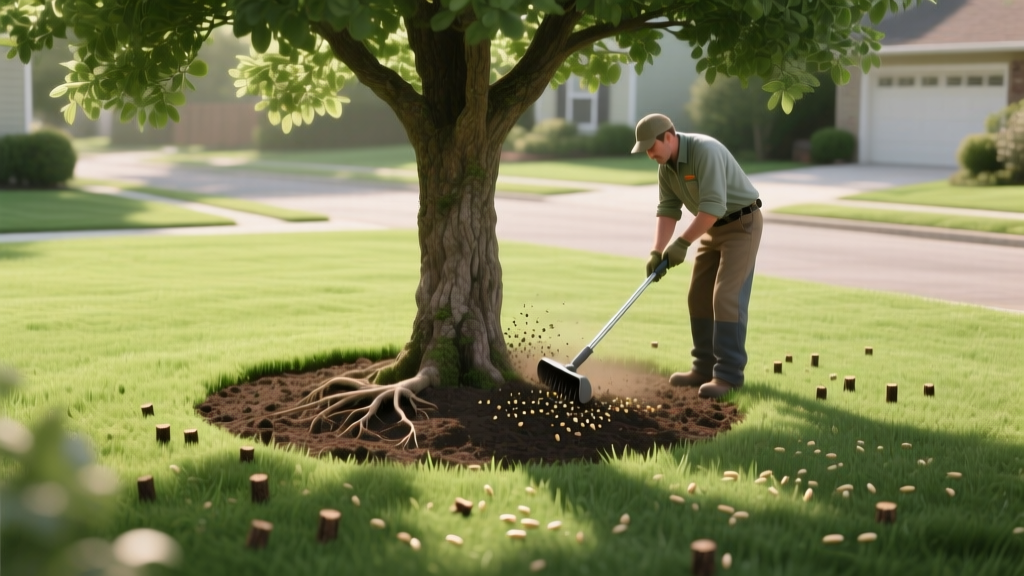
Safe Lawn Aeration and Overseeding Around Mature Trees
Lisa ThompsonPublished
The Tree-Lawn Dilemma: Soil Compaction vs. Root Damage
Homeowners and landscape professionals often face a significant challenge when maintaining properties where mature trees and turfgrass share the same space. The intersection of tree care and lawn care is most evident during seasonal aeration and overseeding. On one hand, turfgrass requires annual core aeration to alleviate soil compaction, improve water infiltration, and prepare the seedbed for overseeding. On the other hand, mature trees rely on a vast network of shallow, delicate feeder roots that occupy the exact same topsoil layer targeted by lawn aerators. Striking the right balance requires specialized aeration and overseeding techniques that revitalize the lawn without severing critical tree roots or exacerbating stress in the tree-lawn interface.
Understanding the Critical Root Zone (CRZ)
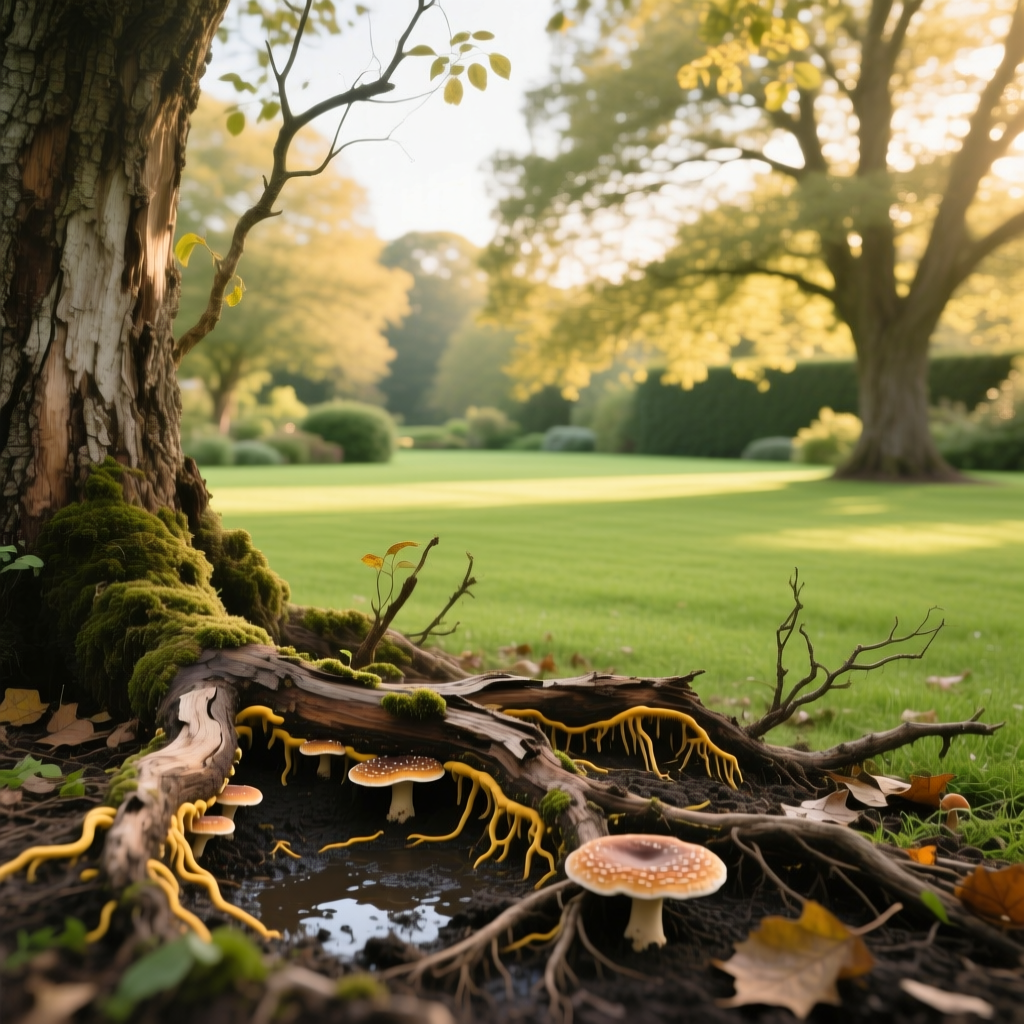
Before deploying heavy machinery across your lawn, it is vital to understand the anatomy of a tree's root system. According to the International Society of Arboriculture (ISA), the majority of a tree's fine, water-absorbing roots are located in the top 6 to 18 inches of soil. Furthermore, these roots often extend well beyond the tree's drip line (the outer edge of the canopy), sometimes reaching 1.5 to 3 times the height of the tree.
The Critical Root Zone (CRZ) is generally defined as the area under the tree's canopy and extending to the drip line. Within this zone, the soil structure is paramount. Heavy foot traffic, lawn mowers, and natural settling lead to severe soil compaction, which starves tree roots of oxygen and prevents water penetration. While aeration is the logical solution to compaction, using standard deep-tine core aerators directly over the shallow structural roots of mature species like maples, oaks, and spruces can cause significant root trauma, leaving the tree vulnerable to drought stress, pests, and fungal pathogens.
Safe Core Aeration Techniques Near Tree Root Zones
Standard lawn aeration involves pulling 2-to-4-inch soil cores using hollow tines. While the Clemson University Home & Garden Information Center recommends core aeration for heavily compacted clay lawns, applying this technique directly beneath a mature tree canopy requires modification. To protect tree health while addressing lawn compaction, consider the following adjusted techniques:
- Shallow Tine Adjustment: When working within the tree's drip line, adjust the aeration machine to pull shallower cores (1.5 to 2 inches maximum). This reduces the likelihood of severing the primary lateral roots while still breaking the surface crust for overseeding.
- Directional Aeration: Avoid making multiple, intersecting passes over the root zone. A single, careful pass is sufficient to create enough seed-to-soil contact for shade-tolerant grasses without over-stressing the root network.
- Trunk Flare Exclusion: Never aerate within 3 to 5 feet of the tree trunk. The structural buttress roots and the vital root flare need undisturbed soil. Hand-aerate small patches in this inner zone using a manual broadfork or garden fork, inserting the tines gently and rocking back slightly to fracture the soil without tearing roots.
Aeration Method Comparison for the Tree-Lawn Interface
| Aeration Method | Typical Depth | Tree Root Safety | Best Use Case & Estimated Cost |
|---|---|---|---|
| Standard Core Aeration | 2 - 4 inches | Moderate (Risk of fine root severing) | Open lawn areas outside the drip line. Cost: $15-$25 per 1,000 sq ft. |
| Liquid Aeration | Surface to 6 inches (chemical) | Very High (No physical cutting) | Entire critical root zone and under canopies. Cost: $10-$20 per 1,000 sq ft. |
| Air Spade / Radial Trenching | 8 - 12 inches | Extremely High (Preserves roots) | Severe compaction near mature, declining trees. Cost: $150-$300+ per tree. |
| Manual Broadforking | 4 - 6 inches | High (Operator controls force) | Small spaces near the trunk flare. Cost: Time/Labor only. |
Liquid Aeration: A Non-Destructive Alternative
For lawns heavily dominated by mature tree canopies, liquid aeration has emerged as a premier alternative to mechanical coring. Liquid aerators utilize active ingredients like humic acid, fulvic acid, and surfactants (such as ammonium lauryl sulfate) to chemically break down sodium bonds in compacted clay soils. Because there are no metal tines involved, there is zero risk of mechanical root damage. Applying a liquid aerator 2 to 3 weeks before overseeding softens the soil profile, allowing new grass roots and tree feeder roots to expand more easily. While it does not physically remove thatch or create physical holes for large seeds, it is an excellent preparatory treatment for the delicate areas immediately surrounding tree trunks.
Vertical Mulching: Aeration Specifically for Tree Health
If your goal is to improve the health of both the tree and the surrounding turf, consider vertical mulching. This arboricultural technique involves using a 2-inch auger bit to drill holes 8 to 12 inches deep in a grid pattern throughout the tree's root zone. The holes are then filled with a porous, nutrient-rich mixture of compost, expanded shale, and slow-release organic fertilizer. This technique alleviates deep soil compaction, introduces vital oxygen to the root zone, and provides an excellent micro-environment for turfgrass roots to establish if you are overseeding the area. It is a dual-purpose technique that serves as both advanced tree care and premium lawn preparation.
Overseeding Under the Canopy: Shade and Seed Selection
Overseeding beneath mature trees presents a secondary challenge: shade and moisture competition. Tree canopies block sunlight and intercept rainfall, while tree roots aggressively consume soil moisture. According to the University of Minnesota Extension, selecting the correct shade-tolerant seed mix is critical for success in these zones. Standard Kentucky Bluegrass will quickly thin out and die under heavy canopy cover.
Recommended Seed Types for Tree Zones:
- Fine Fescues (Creeping Red, Chewings, Hard Fescue): These are the undisputed champions of shade. They require less water and fertilizer than traditional turfgrasses and possess a fine texture that blends well with existing lawns.
- Rough Bluegrass (Poa trivialis): Excellent for heavily shaded, consistently moist areas beneath trees, though it may struggle in summer heat.
Seeding Rates: Apply fine fescue blends at a rate of 3 to 5 pounds per 1,000 square feet. Avoid over-applying seed, as excessive competition for limited water and nutrients will result in weak, spindly grass that is highly susceptible to fungal diseases like powdery mildew and snow mold.
Step-by-Step Guide to Integrated Tree-Lawn Renovation
To successfully aerate and overseed a lawn with mature trees without causing ecological harm to the trees, follow this integrated seasonal schedule, ideally performed in early fall when soil temperatures drop to between 60°F and 70°F.
- Soil Testing: Begin with a comprehensive soil test. Trees and turfgrass have slightly different pH preferences, but a target pH of 6.2 to 6.8 generally supports both. Apply lime or sulfur as needed at least a month before seeding.
- Canopy Pruning: Hire a certified arborist to perform a selective crown thinning. Removing deadwood and elevating the lower canopy allows more dappled sunlight to reach the turf below, drastically improving seed germination.
- Mow Low and Bag: Mow the existing lawn to a height of 1.5 inches and bag the clippings. This exposes the soil surface and prevents thatch from blocking seed-to-soil contact.
- Targeted Aeration: Use a mechanical core aerator for the open, sunny sections of the lawn. Switch to liquid aeration or manual broadforking for the areas within the tree's drip line.
- Topdressing with Compost: Apply a thin layer (1/4 inch) of high-quality, screened organic compost over the entire area. This acts as a seedbed cover, retains moisture, and introduces beneficial microbes to the soil food web.
- Sow the Seed: Broadcast your shade-tolerant fescue mix beneath the canopies and a sun/shade mix in the open areas. Use a slit-seeder only in open areas; beneath trees, rely on broadcast seeding over the core holes and compost topdressing to avoid root damage.
- Strategic Watering: Keep the top inch of soil consistently moist for 14 to 21 days. Use a fine mist sprinkler to avoid washing away seeds or causing soil erosion over exposed tree roots.
Post-Renovation Care and Mulching Boundaries
Once the new grass is established, maintaining the boundary between turf and tree is crucial for long-term health. Never allow turfgrass to grow directly against the trunk of a tree. The constant moisture from lawn irrigation and mowing damage from string trimmers invite fatal diseases like Phytophthora root rot and provide entry points for boring insects.
Expert Tip: Always maintain a mulch ring around the base of your trees to eliminate the need for aeration or overseeding in the most sensitive root zone. Apply 2 to 3 inches of organic wood chip mulch extending out to the drip line if possible, keeping it at least 3 inches away from the trunk itself to prevent 'volcano mulching' and trunk girdling.
By adapting your aeration and overseeding techniques to respect the biological needs of your trees, you can achieve a lush, vibrant lawn that coexists harmoniously with a healthy, thriving urban forest canopy. Prioritizing shallow root safety, utilizing liquid alternatives, and selecting appropriate shade-tolerant seeds will ensure both your turf and your trees flourish for decades to come.