Tree Care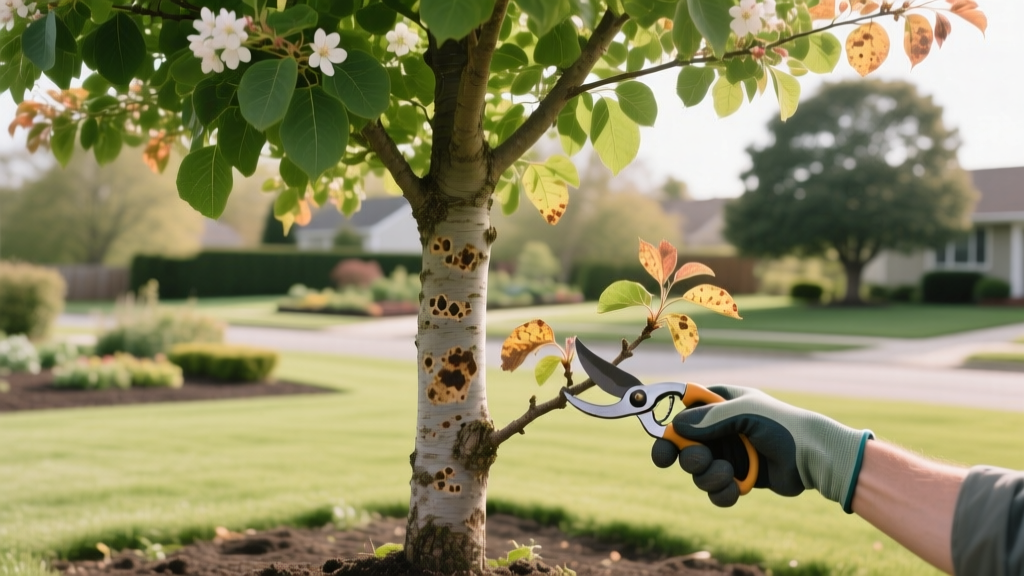
Anthracnose Tree Disease: Identification and Treatment Guide
David ParkPublished
The Canopy-Turf Connection: Why Tree Health Dictates Lawn Health
When homeowners notice brown patches, thinning grass, or mysterious dieback in their landscape, the immediate instinct is often to blame lawn diseases. However, as any seasoned arborist or turf manager knows, the health of your turf is inextricably linked to the health of the trees above it. One of the most common and destructive shared threats in the landscape is Anthracnose. This complex of fungal diseases does not just defoliate your prized sycamores, oaks, and maples; it creates a microenvironment of shade, moisture, and falling spores that can severely stress or infect the cool-season turfgrass below. Effective lawn disease identification and treatment must begin with a thorough assessment of the tree canopy.
Understanding Anthracnose: A Dual Threat
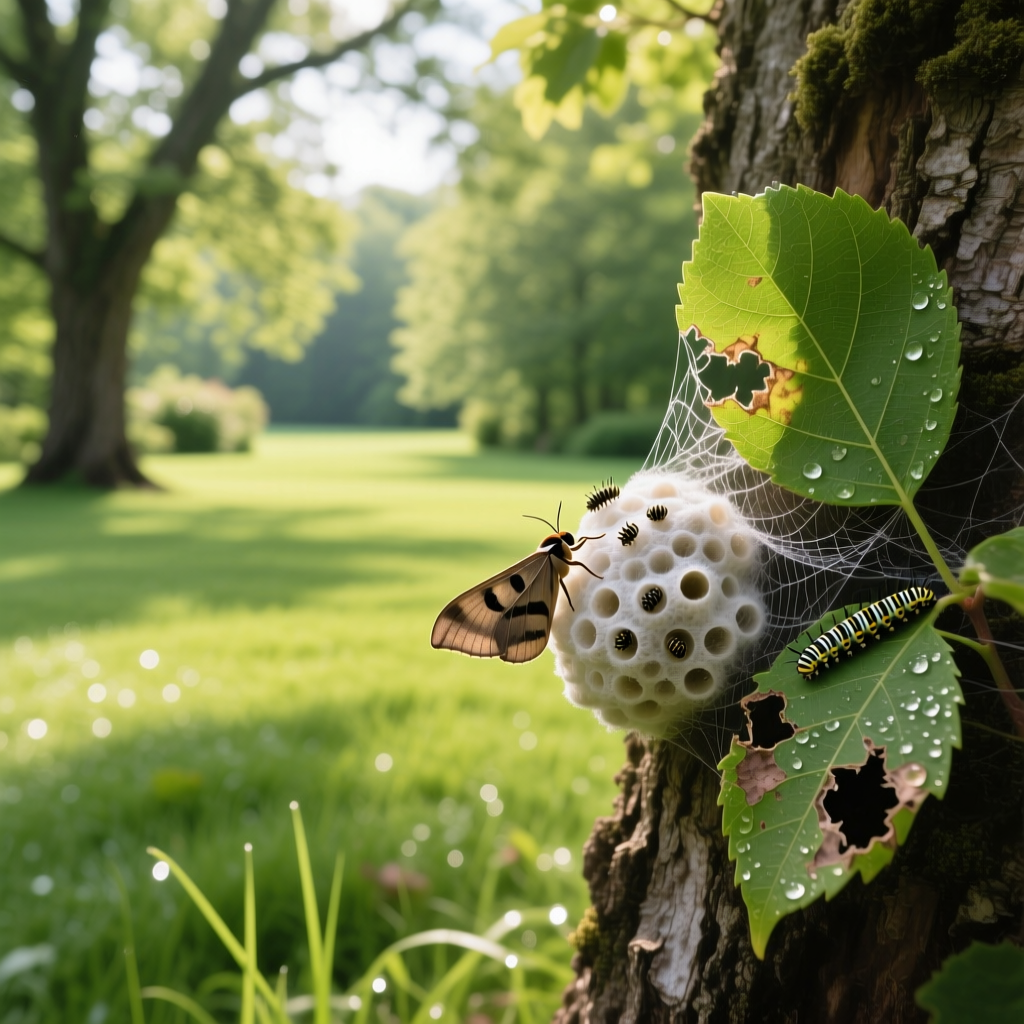
Anthracnose is not a single disease, but rather a group of related fungal diseases caused by various pathogens, including Apiognomonia veneta (which targets sycamores), Gnomonia quercina (oaks), and Discula destructiva (dogwoods). These fungi thrive in cool, wet spring weather. While the tree-specific strains primarily cause leaf blotching and shoot dieback, the environmental conditions that allow tree anthracnose to flourish—prolonged leaf wetness, poor air circulation, and moderate temperatures—are the exact same conditions that trigger severe turfgrass diseases.
Furthermore, as infected tree leaves drop prematurely in late spring and early summer, they blanket the lawn below. This layer of decaying, spore-laden organic matter blocks sunlight, traps moisture against the grass blades, and can introduce secondary fungal issues to the turf. According to plant pathologists at Penn State Extension, managing the disease requires a holistic approach that addresses both the primary host (the tree) and the understory environment (the lawn).
Identification Guide: Tree Symptoms vs. Lawn Symptoms
Accurate identification is the first step in any successful treatment protocol. Because the term 'anthracnose' is used in both arboriculture and turf management, it is vital to distinguish between the symptoms manifesting in the canopy and those appearing on the grass.
| Feature | Shade Tree Anthracnose | Turfgrass Anthracnose |
|---|---|---|
| Primary Pathogens | Apiognomonia, Gnomonia, Discula | Colletotrichum graminicola |
| Visual Symptoms | Irregular brown/black blotches on leaves, often following veins; shoot dieback; premature defoliation. | Small yellow-orange lesions on grass blades; basal stem rot; thinning, irregular brown patches. |
| Most Susceptible Species | Sycamore, White Oak, Ash, Maple, Dogwood. | Annual Bluegrass (Poa annua), Creeping Bentgrass, Kentucky Bluegrass. |
| Optimal Conditions | Cool, wet springs (50°F - 65°F) with prolonged canopy moisture. | High heat and humidity in summer, or cool/wet periods; compacted soil. |
| Primary Damage | Cosmetic defoliation, loss of vigor, susceptibility to secondary borers. | Root and crown rot, severe turf thinning, weed invasion. |
Step-by-Step Treatment Plan for Shade Trees
Treating anthracnose in mature shade trees requires a combination of cultural practices and, when necessary, targeted chemical interventions. By reducing the fungal inoculum in the canopy, you simultaneously protect the lawn beneath the drip line.
1. Strategic Pruning and Canopy Management
Fungi require moisture to germinate and infect plant tissue. The most effective cultural control is to increase airflow and sunlight penetration through the tree's canopy.
- Deadwood Removal: Prune out all dead, dying, or diseased twigs and branches. The Apiognomonia fungus overwinters in these infected twigs and cankers, releasing spores during spring rains.
- Canopy Thinning: Selectively remove interior branches to allow wind to pass through the canopy. This reduces the duration of leaf wetness after morning dew or rainstorms.
- Sanitation: Never leave pruned, infected material on the lawn. Bag and dispose of all diseased wood and leaves off-site to prevent spores from washing back into the soil or turf.
2. Fungicide Applications: Timing and Products
For high-value trees or those with a history of severe defoliation, preventative fungicide applications are necessary. Timing is critical; fungicides must be applied before the fungus infects the newly emerging leaves.
Expert Timing Rule: The first application must be made at bud break, just as the leaves are beginning to expand. Subsequent applications should follow at 10 to 14-day intervals until the weather turns consistently warm and dry.
Recommended Active Ingredients:
- Chlorothalonil (e.g., Daconil Weather Stik): A broad-spectrum contact fungicide. Apply at a rate of 1.4 to 2.0 pints per 100 gallons of water. Ensure thorough coverage of all emerging foliage.
- Mancozeb (e.g., Dithane): Another excellent protectant fungicide. Apply at 2.0 to 4.0 lbs per 100 gallons of water. Note that Mancozeb can sometimes cause slight phytotoxicity on certain maple varieties, so test a small area first.
- Propiconazole (e.g., Banner MAXX): A systemic fungicide that offers both protective and curative properties. Apply at 5 to 8 fluid ounces per 100 gallons. Systemics are particularly useful for tall trees where achieving complete canopy coverage with a contact spray is difficult.
Always read and follow the manufacturer's label instructions regarding personal protective equipment (PPE), mixing ratios, and environmental precautions, especially when spraying near water features or sensitive garden beds.
Protecting the Turf: Lawn Disease Management Under the Drip Line
Once the tree is being managed, you must address the lawn beneath it. The microclimate under a dense, recovering tree canopy is inherently prone to turf diseases due to shade and restricted airflow. Furthermore, falling infected leaves act as a physical barrier to the grass.
Lawn Care Adjustments for Shaded, High-Risk Zones
- Aggressive Leaf Removal: During spring and early summer, rake and remove fallen tree leaves immediately. Do not use a mulching mower to chop them into the turf; this will simply incorporate fungal spores directly into the thatch layer, creating a reservoir for future infections.
- Irrigation Management: Trees and turf compete for water, but overhead irrigation exacerbates fungal issues. If you must water the lawn under a tree canopy, do so deeply and infrequently between 4:00 AM and 6:00 AM. This allows the grass blades to dry quickly once the sun rises, depriving turf anthracnose and dollar spot of the prolonged moisture they need to thrive.
- Core Aeration and Topdressing: Compacted soil under trees stresses turf roots, making grass highly susceptible to Colletotrichum graminicola (turf anthracnose). Core aerate the lawn in the fall to relieve compaction and improve drainage, being careful to avoid severing major structural tree roots.
- Transition to Shade-Tolerant Grasses: If the tree canopy is too dense for Kentucky Bluegrass to survive without constant, disease-inducing moisture, consider overseeding with Fine Fescues (Creeping Red, Chewings, or Hard Fescue). These grasses require less water and are naturally more resistant to the stressors of the understory environment.
Seasonal Management Calendar
To keep both your trees and your lawn healthy, implement this seasonal maintenance schedule:
- Early Spring (Bud Break): Apply the first preventative fungicide spray to susceptible trees (Sycamore, Oak). Rake up any remaining overwintered leaf litter from the lawn.
- Mid-Spring: Apply the second and third fungicide sprays at 14-day intervals. Monitor the turf for early signs of stress or fungal lesions. Adjust mower blades to 3.5 inches to promote deep turf roots.
- Early Summer: Prune out any newly identified dead twigs in the tree canopy (make clean cuts outside the branch collar). Ensure the lawn irrigation system is calibrated to avoid overwatering shaded zones.
- Late Summer: Monitor trees for secondary pest invasions (like borers) which often attack trees weakened by spring defoliation. Apply preventative trunk treatments if necessary.
- Fall: Core aerate the lawn beneath the tree canopy. Apply a slow-release, low-nitrogen fertilizer to the turf to encourage root growth without promoting lush, disease-susceptible top growth. Rake and dispose of all autumn leaves promptly.
- Winter: Inspect bare tree canopies for cankers and structural defects. Schedule dormant pruning with a certified arborist to open the canopy before the spring rains begin.
Conclusion
Lawn disease identification and treatment is rarely just about the grass. When cool-season turf struggles beneath the canopy of a sycamore or oak, the root cause often lies in the branches above. By correctly identifying anthracnose and implementing a rigorous, dual-pronged treatment strategy that combines strategic tree pruning, timed fungicide applications, and proactive turf sanitation, you can break the disease cycle. For more detailed information on regional fungal threats and specific tree care protocols, consult resources provided by the University of Minnesota Extension or your local cooperative extension office. A healthy landscape requires treating the tree and the turf as a single, interconnected ecosystem.