Tree Care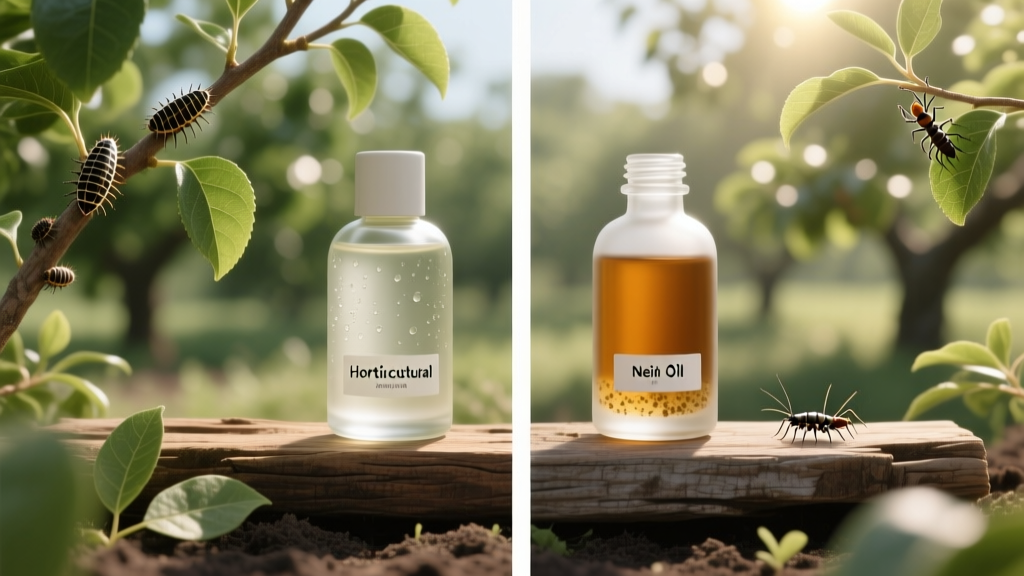
Horticultural Oil vs. Neem Oil for Tree Pest Control
David ParkPublished
Introduction to Tree Pest Management
When aphids, scale insects, and spider mites attack your landscape trees, reaching for synthetic chemical pesticides isn't always the best or safest option. For environmentally conscious homeowners and professional arborists alike, oil-based sprays have become a cornerstone of integrated pest management (IPM). However, a common dilemma arises at the garden center: should you use horticultural oil or neem oil?
While both products are derived from natural sources and are highly effective against soft-bodied insects, they work through entirely different mechanisms. Understanding the nuances between these two treatments is critical for protecting your trees without causing phytotoxicity (leaf burn) or wasting money on the wrong product. In this comprehensive guide, we compare horticultural oil and neem oil across efficacy, application timing, target pests, and cost to help you make the best choice for your tree care regimen.
What is Horticultural Oil?
Horticultural oils are highly refined petroleum-based or plant-based oils designed specifically for use on plants. According to the University of Minnesota Extension, these oils work primarily through physical action rather than chemical toxicity. When sprayed directly onto insects, the oil coats their bodies and blocks their spiracles (breathing pores), effectively suffocating them.
Dormant vs. Summer Rates
Horticultural oils are typically applied at two different concentrations depending on the season and the presence of foliage:
- Dormant Rate (3% to 4% solution): Applied in late winter or early spring before buds break. This heavy concentration is used to smother overwintering pests like scale insects and mite eggs hidden deep within the bark crevices.
- Summer Rate (1% to 2% solution): Applied during the growing season when leaves are present. This lighter mixture targets active soft-bodied pests like aphids and whiteflies without damaging the tree's delicate foliage.
What is Neem Oil?
Neem oil is a botanical pesticide extracted from the seeds of the neem tree (Azadirachta indica). The Environmental Protection Agency (EPA) classifies neem oil as a biochemical pesticide because its active compound, azadirachtin, disrupts insect life cycles rather than simply suffocating them.
How Neem Oil Works
Unlike horticultural oil, neem oil has systemic and hormonal properties. When insects ingest neem-treated foliage, azadirachtin acts as an insect growth regulator (IGR). It mimics natural insect hormones, preventing larvae from molting and stopping adults from feeding and reproducing. Additionally, the oil component of neem provides a secondary suffocating effect, making it a highly versatile dual-action product for complex pest infestations.
Head-to-Head Comparison Chart
To visualize the differences, here is a detailed breakdown of how these two tree care products stack up against each other in practical scenarios.
| Feature | Horticultural Oil | Neem Oil |
|---|---|---|
| Primary Active Ingredient | Highly refined mineral/petroleum oil | Azadirachtin & fatty acids |
| Mode of Action | Contact suffocation | Ingestion (IGR) & contact suffocation |
| Residual Effect | None (must hit the pest directly) | Short residual (up to 5-7 days) |
| Best Application Time | Late winter (dormant) or early morning | Evening or early morning |
| Temperature Limits | Do not apply above 85°F or below 40°F | Do not apply above 85°F |
| Impact on Beneficial Insects | Low (once dry, no residual toxicity) | Moderate (can affect beneficials if ingested) |
| Average Cost (Per Quart) | $12 - $18 | $18 - $25 |
Target Pests: Which Oil Wins?
The effectiveness of each oil depends heavily on the specific pest threatening your trees. The Arbor Day Foundation notes that accurate pest identification is the first step in any successful tree health care program.
Scale Insects and Mite Eggs
Winner: Horticultural Oil. Scale insects produce a hard, waxy shell that protects them from many chemical pesticides. A dormant application of horticultural oil penetrates these defenses and suffocates the insects and their overwintering eggs. Neem oil is largely ineffective against the hard shells of adult scale insects.
Aphids and Whiteflies
Winner: Tie. Both oils will suffocate active aphid and whitefly populations on contact. However, neem oil has the added benefit of deterring future generations due to its anti-feedant properties, making it slightly better for severe, ongoing summer infestations.
Leaf-Mining and Chewing Insects
Winner: Neem Oil. Because horticultural oil only works on contact, it cannot stop pests that hide inside the leaf tissue (leafminers) or those that arrive after the spray has dried. Neem oil's azadirachtin is absorbed slightly into the leaf tissue (translaminar movement). When a caterpillar or leafminer chews on the treated leaf, it ingests the compound and stops feeding immediately.
Application Timing and Safety Rules
Misapplying oils can lead to severe phytotoxicity, causing leaf scorch, defoliation, and stunted tree growth. Follow these strict guidelines to protect your landscape:
CRITICAL WARNING: Never apply any oil-based spray when temperatures are expected to exceed 85°F (29°C) or drop below freezing within 24 hours. High heat causes the oil to evaporate unevenly and burn the leaf cuticle, while freezing temperatures can damage the tree's cellular structure.
Mixing and Spraying Tips
- Agitation is Key: Oil and water do not mix naturally. Always use an emulsifier (often included in commercial blends) and shake your pump sprayer every few minutes during application to ensure an even mixture.
- Coverage Matters: Because horticultural oil has zero residual effect, you must achieve 100% coverage. Spray the trunk, branches, and both the top and bottom of the leaves until the product is dripping.
- Avoid Sulfur Interactions: Do not apply oils within 30 days of using a sulfur-based fungicide. The chemical reaction between sulfur and oil is highly toxic to plants and will cause severe tissue damage.
- Safety First: Always wear protective gear, including safety goggles and long sleeves, as concentrated oils can cause skin and eye irritation.
- Patch Testing: Test a small, inconspicuous branch 24 hours before full application to check for phytotoxicity, especially on sensitive species like blue spruce or Japanese maple.
Environmental Impact and Pollinator Safety
One of the primary reasons homeowners and arborists turn to oil-based treatments is to protect local ecosystems. Synthetic pyrethroids and neonicotinoids can persist in the environment, leaching into soil and harming non-target organisms. In contrast, both horticultural oil and neem oil break down rapidly in the presence of sunlight and oxygen.
However, "natural" does not mean "harmless." Both oils can suffocate beneficial insects like ladybugs, lacewings, and parasitic wasps if sprayed directly on them. To minimize collateral damage, always spray in the late evening when pollinators such as bees and butterflies have returned to their hives or roosts. Once horticultural oil dries (usually within a few hours), it leaves no toxic residue, meaning beneficial insects can safely visit the tree the following morning. Neem oil, due to its slight residual anti-feedant properties, requires a bit more caution, but it is still vastly safer for the broader environment than broad-spectrum synthetic alternatives.
Cost and Availability
For large properties with multiple mature trees, the cost of treatment is a significant factor. Horticultural oil is generally more economical, especially when purchased in gallon-sized concentrates for dormant winter spraying. A single quart of horticultural oil concentrate can yield up to 20 gallons of summer-rate spray, making the cost per treated tree mere pennies.
Neem oil is more expensive and often sold in smaller quantities. Cold-pressed neem oil, which retains the highest levels of azadirachtin, commands a premium price. While it is an excellent targeted treatment for specific chewing pests during the summer, it is cost-prohibitive for blanket dormant sprays across a large orchard or woodland edge.
Final Verdict: Which Should You Choose?
There is no single "best" product; rather, there is a right tool for the specific job and season.
- Choose Horticultural Oil if: You are performing a late-winter dormant spray to eradicate overwintering scale, mites, and aphid eggs. It is also the superior choice for a quick, affordable knockdown of active soft-bodied pests when you can achieve complete spray coverage.
- Choose Neem Oil if: You are battling chewing insects, leafminers, or pests that are difficult to reach with direct contact sprays. Neem's systemic and growth-regulating properties provide a longer-lasting defense during the active growing season.
By integrating both products into your annual tree care schedule—using horticultural oil in the dormant season and neem oil for targeted summer interventions—you can maintain robust, pest-free trees without relying on harsh synthetic chemicals.