Tree Care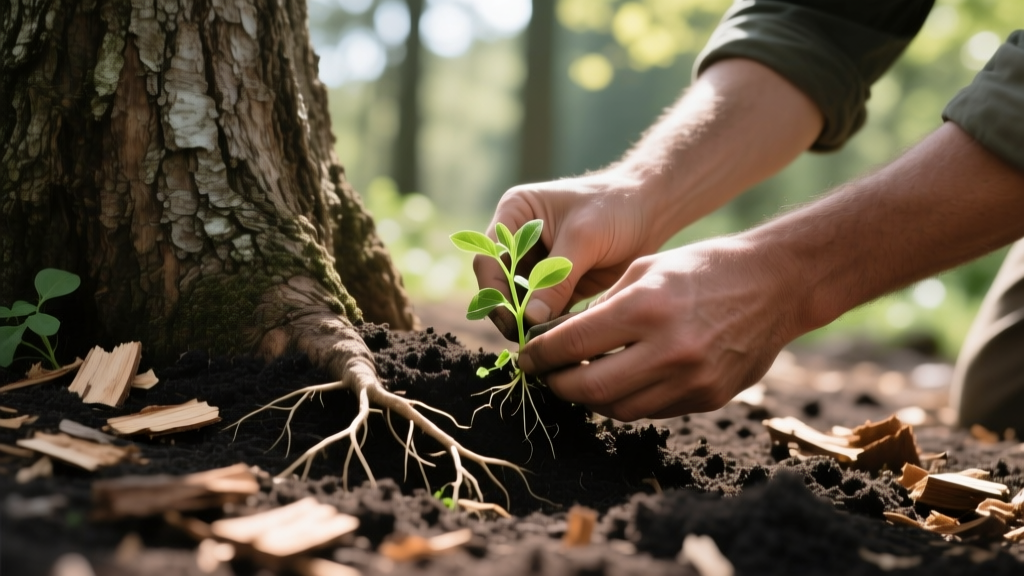
How to Safely Identify and Remove Weeds in Tree Root Zones
Sarah ChenPublished
The Hidden Threat: Weeds in Tree Root Zones
When homeowners think of tree care, they often focus on pruning the canopy, treating visible diseases, or watering during droughts. However, one of the most critical battles for tree health happens at ground level. The tree root zone, often referred to as the Critical Root Zone (CRZ) or tree ring, is the primary area where a tree absorbs water, oxygen, and essential nutrients. When aggressive weeds invade this space, they create a hostile environment that can stunt growth, invite pests, and even lead to premature tree decline.
Weeds are not just an aesthetic nuisance; they are fierce competitors. A dense mat of crabgrass or a sprawling network of field bindweed can siphon off significant amounts of soil moisture and nitrogen before the tree's feeder roots can access them. Furthermore, tall, unmanaged weeds around the base of a tree create a humid microclimate that encourages fungal pathogens and provides winter cover for rodents, such as voles and mice, which are notorious for girdling tree bark. Safely identifying and removing these weeds without damaging the tree's delicate root system or bark is a foundational skill in comprehensive tree care.
Identifying Common Weeds in Tree Root Zones
Before you can effectively eradicate weeds, you must correctly identify them. Different weeds require different removal strategies, especially when working near the shallow feeder roots of trees. Below is a breakdown of the most common invaders found in tree rings and mulch beds.
| Weed Species | Identification Traits | Threat Level to Trees | Removal Difficulty |
|---|---|---|---|
| Field Bindweed (Convolvulus arvensis) | Twining vines, arrowhead-shaped leaves, white or pink trumpet flowers. | High. Chokes out young trees and competes heavily for water. | High. Extensive deep taproot system breaks easily, leading to regrowth. |
| Crabgrass (Digitaria) | Low-growing, spreading habit, wide leaf blades, thrives in compacted soil. | Medium. Forms dense mats that block water penetration to tree roots. | Medium. Shallow roots make hand-pulling easy, but spreads rapidly by seed. |
| Broadleaf Plantain (Plantago major) | Rosette of broad, ribbed leaves close to the ground, tall seed spikes. | Low to Medium. Indicates compacted soil around the tree root zone. | Low. Taproot is easily extracted when soil is moist. |
| Poison Ivy (Toxicodendron radicans) | Three glossy leaflets, can be a climbing vine or shrub, turns red in fall. | High (to humans). Can climb and damage thin-barked trees. | Medium. Requires careful manual removal or targeted chemical control. |
The Dangers of Improper Weed Removal Near Trees
In the rush to maintain a tidy landscape, many homeowners inadvertently cause severe, sometimes fatal, damage to their trees while removing weeds. Understanding what not to do is just as important as knowing the correct techniques.
String Trimmer Blight and Mechanical Damage
The most common mistake in tree ring weed management is the use of string trimmers (weed whackers) near the base of the trunk. The bark of a tree protects the cambium layer, the vital tissue responsible for transporting water and nutrients between the roots and the canopy. Repeatedly striking the trunk with a nylon trimmer line strips away the bark and severs the cambium. Over time, this mechanical damage can completely girdle the tree, effectively starving the root system and causing a slow, irreversible decline.
Herbicide Drift and Root Uptake
Using non-selective, systemic herbicides like glyphosate near trees is highly risky. While mature trees with thick, corky bark may tolerate minor spray drift, young trees or species with thin bark (such as maples, cherries, dogwoods, and crape myrtles) can absorb the chemical directly through the trunk. Furthermore, if a weed shares a root graft with a nearby tree, or if the herbicide leaches into the soil, the tree's root system can absorb the toxin, leading to leaf cupping, stunted growth, and branch dieback.
Mechanical damage from lawn equipment is one of the leading causes of urban tree decline. The cambium layer is easily severed by trimmers, effectively girdling the tree and cutting off vital nutrient transport. Always maintain a weed-free buffer zone using mulch, not machinery.
— Urban Forestry Best Practices
Step-by-Step Manual Weed Extraction
Manual removal is the safest and most effective method for managing weeds within the tree's drip line. While labor-intensive, it guarantees that no chemicals will harm the tree and allows you to inspect the soil and trunk for other issues.
- Step 1: Hydrate the Soil. Never attempt to pull weeds from dry, compacted soil. Wait until after a deep, 1-inch rainfall, or water the tree ring thoroughly 24 hours before weeding. Moist soil allows the entire root system to slide out without breaking.
- Step 2: Select the Right Tools. Avoid sharp hoes or spades that can slice through the tree's shallow feeder roots. Instead, use a Hori Hori knife (approximate cost: $25-$35) for precision digging, or a stand-up weed puller tool with a claw mechanism to extract taproots without bending over.
- Step 3: Extract at the Base. Grasp the weed as close to the soil line as possible. Pull slowly and steadily at a 45-degree angle. If you feel resistance, use your Hori Hori knife to gently loosen the soil around the taproot, being careful to avoid the thicker, woody roots of the tree.
- Step 4: Proper Disposal. Remove all extracted weeds from the site. Do not leave them in the tree ring, as many species (like crabgrass and bindweed) can re-root if they remain in contact with moist soil. Compost them only if your compost pile reaches temperatures high enough to destroy weed seeds (above 140°F); otherwise, dispose of them in yard waste bins.
Safe Chemical and Organic Controls
When manual extraction is impossible due to the sheer volume of weeds or physical limitations, targeted organic and chemical controls can be used safely around trees, provided they are applied correctly.
Pre-Emergent Herbicides
Pre-emergents prevent weed seeds from germinating, making them ideal for use in early spring before soil temperatures reach 55°F. Organic options like Corn Gluten Meal (applied at a rate of 20 lbs per 1,000 square feet, costing roughly $40-$50 per bag) provide a natural barrier while adding a small amount of nitrogen to the soil. Synthetic pre-emergents containing trifluralin or pendimethalin can also be used safely around established trees, as they target seedling roots and do not harm established woody roots.
Post-Emergent Organic Burn-Downs
For weeds that have already emerged, 20% to 30% horticultural vinegar (acetic acid) can be used as a contact herbicide. This solution burns the foliage of broadleaf weeds and grasses on contact. Warning: Horticultural vinegar is non-selective and will damage any green plant tissue it touches, including tree suckers or low-hanging branches. It also temporarily lowers soil pH. Apply using a shielded spray wand on calm days to prevent drift.
The Ultimate Preventative: Proper Mulching
The single most effective way to eliminate weeds from the tree root zone is to create an environment where they cannot survive: a properly mulched tree ring. Mulch blocks sunlight, preventing weed seed germination, while simultaneously retaining soil moisture and regulating soil temperature for the tree.
According to the International Society of Arboriculture (ISA), organic mulches such as shredded hardwood, pine bark, or wood chips are highly recommended for tree health. However, the application method is critical. Arborists universally recommend the "3-3-3 Rule" for mulching:
- 3 Inches Deep: Apply a layer of mulch no deeper than 3 to 4 inches. Excessive mulch suffocates the tree's shallow feeder roots by blocking oxygen exchange and trapping excess moisture, which leads to root rot.
- 3 Feet Wide: The mulch ring should extend at least 3 feet from the trunk in all directions, though extending it to the tree's drip line is even more beneficial for weed suppression and root protection.
- 3 Inches Away from the Trunk: Never pile mulch against the tree bark. "Volcano mulching" keeps the trunk constantly moist, inviting fungal cankers, bark decay, and rodent habitation. Always leave a 3-inch gap of bare soil between the mulch and the trunk flare.
The Arbor Day Foundation emphasizes that maintaining a distinct, weed-free mulch ring is the best defense against the mechanical damage caused by lawn mowers and string trimmers, as it creates a visible boundary that landscaping equipment should not cross.
Seasonal Tree Ring Weed Management Schedule
Weed management is not a one-time task; it requires a seasonal approach integrated with your overall tree care schedule. Use the following chart to stay ahead of weed pressure throughout the year.
| Season | Primary Weed Management Task | Tree Care Integration |
|---|---|---|
| Early Spring | Apply pre-emergent herbicide or corn gluten meal before soil temps hit 55°F. Refresh mulch layer to 3 inches. | Inspect trunk for winter damage. Apply dormant horticultural oil if scale insects are present. |
| Late Spring | Hand-pull early emerging broadleaf weeds like plantain and dandelion before they set seed. | Monitor soil moisture. Begin deep watering protocols if spring rains are insufficient. |
| Summer | Spot-treat crabgrass and bindweed escapes with manual extraction or shielded horticultural vinegar. | Prune dead or diseased canopy branches. Ensure mulch is not repelling water (hydrophobic). |
| Fall | Remove all dead weed debris from the tree ring to eliminate overwintering pest habitats. | Apply a layer of fallen leaves (shredded) as a free, nutrient-rich winter mulch. |
| Winter | Inspect the tree ring for rodent tunnels in the mulch. Pull back mulch if vole activity is high. | Protect thin-barked trunks from sunscald and frost cracks using tree guards. |
Conclusion
Managing weeds in the tree root zone requires a shift in perspective. Instead of viewing the tree ring as just another flowerbed or lawn edge, treat it as a protected sanctuary for your tree's most vital root structures. By accurately identifying the specific weeds threatening your trees, utilizing safe manual extraction techniques, avoiding destructive herbicides and string trimmers, and implementing a rigorous, properly measured mulching strategy, you can dramatically improve the health, vigor, and lifespan of your landscape trees. As noted by Clemson University Extension, the effort put into maintaining a clean, well-mulched tree ring pays dividends in the form of robust growth and natural resistance to environmental stressors.