Tree Care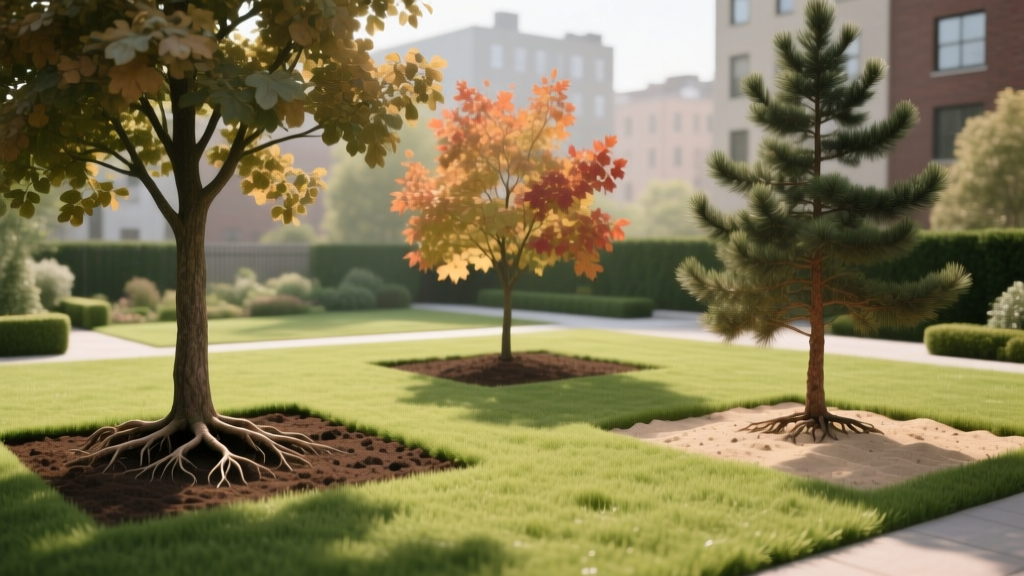
Matching Trees And Turf To Soil Types For A Thriving Landscape
James MillerPublished
The Subterranean Turf War: Why Soil Type Matters
When we look at a beautifully landscaped yard, we see the aesthetic harmony of a lush, green lawn beneath the sprawling canopy of a mature shade tree. However, beneath the surface, a fierce subterranean war for resources is constantly raging. Tree roots and turfgrass roots occupy the exact same topsoil layer, competing aggressively for water, oxygen, and vital nutrients. As a tree care specialist, managing this competition is paramount to the health of your landscape. The ultimate referee in this underground battle is your soil type. Matching the right tree species and the right turfgrass cultivar to your underlying soil profile is the most effective way to reduce root competition, minimize maintenance costs, and ensure both plants thrive.
Step One: Professional Soil Testing
Before planting a new tree or laying sod, you must understand your soil's physical and chemical properties. While home test kits are available for $15 to $25, they only measure basic pH and NPK (Nitrogen, Phosphorus, Potassium) levels. For a comprehensive analysis that includes soil texture (sand, silt, clay percentages), organic matter content, and cation exchange capacity (CEC), send a sample to a local university cooperative extension lab. A professional lab test typically costs between $20 and $30 and provides tailored amendment recommendations. Most trees and turfgrasses prefer a slightly acidic to neutral pH between 6.0 and 7.0, but certain species, like the Pin Oak or Blueberry, require highly acidic soils (pH 4.5 to 5.5) to prevent nutrient lockout and chlorosis.
Managing Trees and Turf in Sandy Soils
Sandy soils are characterized by large particle sizes, resulting in rapid drainage and poor nutrient retention. Water and water-soluble fertilizers leach through the soil profile quickly, often moving beyond the reach of shallow grass roots before they can be absorbed.
- Recommended Trees: Bur Oak, Eastern Redcedar, Ginkgo Biloba, and various Pine species. These trees possess deep, expansive taproots or highly adaptable root systems that can forage for water in fast-draining environments.
- Recommended Turfgrass: Zoysiagrass, Bermudagrass, and Fine Fescues. These grasses exhibit high drought tolerance and can survive the rapid drying cycles inherent to sandy soils.
- Care Strategy: To support both trees and grass in sand, you must amend the soil with organic compost to increase moisture retention. When fertilizing, avoid cheap, fast-release synthetic fertilizers that will wash away in the first rain. Instead, invest in slow-release, organic-based fertilizers like Milorganite or Espoma Organic Tree-tone (typically $30 to $40 per 40lb bag). These break down gradually, providing a steady nutrient drip to both the tree's deep roots and the grass's shallow feeders.
Navigating Heavy Clay Soils
Clay soils consist of microscopic particles that pack tightly together. While they hold nutrients exceptionally well, they suffer from poor drainage, severe compaction, and low oxygen levels. When wet, clay is a sticky bog; when dry, it bakes into a hard, cracked surface that physically restricts root expansion.
- Recommended Trees: River Birch, Willow Oak, Swamp White Oak, and Ash. These species are naturally adapted to heavy, poorly drained soils and can tolerate periods of both waterlogging and drought-induced cracking.
- Recommended Turfgrass: Tall Fescue (specifically deep-rooted cultivars like 'Titan Ultra') and Kentucky Bluegrass. Tall Fescue's aggressive root system can penetrate dense clay better than most warm-season grasses.
- Care Strategy: The greatest threat to trees in clay soil is suffocation and root girdling. Never add sand to clay soil in an attempt to improve drainage; this simply creates a concrete-like substance. Instead, top-dress your lawn with liquid aeration products or perform mechanical core aeration annually ($15 to $20 per 1,000 square feet if hired out). For the tree, ensure the root flare is visibly above the soil grade to prevent trunk rot and girdling roots.
Maximizing the Loam Advantage
Loam is the 'Goldilocks' of soil types—a balanced mixture of roughly 40% sand, 40% silt, and 20% clay. It offers excellent drainage while retaining enough moisture and nutrients to support vigorous growth. If you are blessed with native loam, your primary challenge is not survival, but managing the sheer vigor of both plants to prevent one from choking out the other.
- Recommended Trees: Sugar Maple, Eastern Redbud, Flowering Dogwood, and Linden.
- Recommended Turfgrass: Perennial Ryegrass, Kentucky Bluegrass, and fine-blended Fescues.
- Care Strategy: Because loam supports rapid growth, pruning and mowing schedules must be strictly maintained. Raise your mower deck to 3.5 or 4 inches to shade the soil, retain moisture, and force the grass to develop deeper roots that can coexist with the tree's lateral feeder roots.
The Rain Shadow Effect: Shade and Soil Moisture
When matching trees and grass, soil type is only half the equation. You must also account for the 'rain shadow' effect. A dense tree canopy can intercept up to 30% of annual rainfall, meaning the soil directly beneath the tree is significantly drier than the surrounding lawn, regardless of whether your native soil is clay or sand. Furthermore, the shade reduces photosynthesis for the turf below. According to the University of Minnesota Extension Lawn Care program, fine fescues are generally the most shade-tolerant and drought-resistant grasses for planting beneath established tree canopies, as they require less water and sunlight to maintain basic metabolic functions.
Soil and Species Matching Chart
| Soil Type | Drainage Rate | Recommended Trees | Recommended Turfgrass | Primary Care Challenge |
|---|---|---|---|---|
| Sandy | Fast / Excessive | Bur Oak, Ginkgo, Pine | Zoysia, Fine Fescue | Nutrient leaching and drought stress |
| Clay | Slow / Poor | River Birch, Willow Oak | Tall Fescue, Kentucky Bluegrass | Compaction and root suffocation |
| Loam | Moderate / Ideal | Sugar Maple, Dogwood | Perennial Ryegrass, Bluegrass | Managing aggressive growth and shade |
Essential Tree Care Practices for Turf Coexistence
Even with perfect soil and species matching, trees and grass require distinct maintenance routines to coexist peacefully. Implementing the following arboricultural best practices will protect your trees from lawnmower damage and ensure both plants receive adequate resources.
The 3-3-3 Mulching Rule
Turfgrass growing directly up to the trunk of a tree is a recipe for disaster. String trimmers and mower decks frequently damage the delicate cambium layer at the base of the trunk, inviting fatal fungal pathogens and boring insects. To establish a safe zone, follow the 3-3-3 mulching rule endorsed by the University of Minnesota Extension Trees and Shrubs department: create a mulch ring that is 3 inches deep, spans a 3-foot radius from the trunk, and is kept 3 inches away from the actual bark. Use natural hardwood mulch to retain soil moisture, moderate soil temperature, and slowly add organic matter to the soil profile as it decomposes. Never 'volcano mulch' (piling mulch against the trunk), as this traps moisture against the bark and encourages rot.
Strategic Watering Zones
Trees and grass have fundamentally different watering needs. Turfgrass thrives on frequent, shallow watering (about 1 to 1.5 inches per week). Trees, conversely, require deep, infrequent soakings to encourage structural root depth. A mature tree may need 10 to 15 gallons of water per inch of trunk diameter every two weeks during dry spells. To reconcile this, install a dedicated drip irrigation line or soaker hose beneath the tree's mulch ring and canopy drip line. This delivers water directly to the tree's absorptive roots without waterlogging the topsoil and promoting shallow, disease-prone grass roots.
Targeted Fertilization and Root Barriers
When fertilizing a lawn beneath a tree, remember that the tree's feeder roots extend far beyond the drip line and will absorb a significant portion of the lawn fertilizer. This is generally beneficial, but if your tree requires specific micronutrients (like iron for a Pin Oak in alkaline soil), surface lawn applications will not suffice. Use deep-root injection or vertical mulching to deliver tree-specific treatments directly into the subsoil. For highly aggressive tree species like Silver Maple or Willow, consider installing a high-density polyethylene (HDPE) root barrier 24 to 36 inches deep along the perimeter of your garden beds or near hardscapes to protect your landscape infrastructure while allowing the tree and turf to share the open soil zones safely.
Conclusion
A thriving landscape is not an accident; it is the result of careful ecological planning. By testing your soil, selecting compatible tree and turf species, and implementing targeted watering and mulching strategies, you can end the subterranean turf war. As highlighted by the Arbor Day Foundation's Right Tree, Right Place guide, working with your natural soil conditions rather than fighting against them is the cornerstone of sustainable, low-maintenance tree care and lawn health.