Tree Care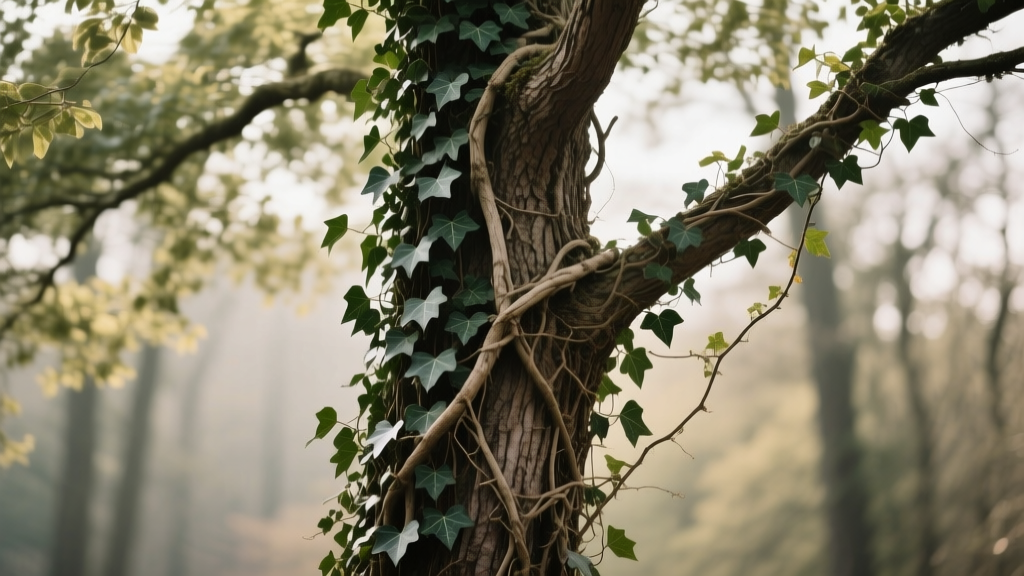
Identify and Remove Invasive Vines Strangling Trees
Emily WatsonPublished
The Hidden Threat of Climbing Weeds and Vines
Trees in managed landscapes and naturalized areas frequently fall victim to aggressive climbing weeds and invasive vines. While a light covering of native vines might seem picturesque, rampant growers like English ivy (Hedera helix), Wintercreeper (Euonymus fortunei), and Poison ivy (Toxicodendron radicans) act as parasitic weeds that compete for soil nutrients, harbor destructive pests, and ultimately compromise the structural integrity of the host tree. When left unchecked, these woody weeds can completely engulf a tree's canopy, blocking essential sunlight and adding hundreds of pounds of extra weight that makes the tree highly susceptible to storm damage and windthrow. Effective tree care requires treating these aggressive climbers not as harmless foliage, but as destructive weeds that demand immediate identification and targeted removal.
Identifying Common Invasive Vines and Weeds on Trees
Proper identification is the critical first step in any weed removal guide. Misidentifying a vine can lead to ineffective treatment or, in the case of Poison ivy, severe allergic reactions. Below is a breakdown of the most common tree-strangling weeds encountered in North American landscapes.
English Ivy (Hedera helix)
This evergreen perennial weed features dark green, leathery leaves with three to five lobes. It uses aerial rootlets to cling tightly to tree bark, which can trap moisture and invite fungal pathogens. As it matures and reaches the canopy, it produces umbrella-like clusters of flowers and dark berries, which are spread by birds to infest neighboring trees.
Wintercreeper (Euonymus fortunei)
Often confused with English ivy, Wintercreeper has opposite, glossy, oval leaves with finely toothed margins. It is a prolific climber that forms dense, heavy mats on tree trunks and branches, eventually shading out the tree's own foliage and stunting its seasonal growth.
Poison Ivy (Toxicodendron radicans)
Recognizable by its compound leaves of three leaflets, this vine uses aerial roots to climb. It produces urushiol, a toxic oil that causes severe contact dermatitis, making manual removal extremely hazardous without proper protective gear and specialized herbicides.
Wild Grape (Vitis spp.)
While native, wild grapevines grow aggressively and can act as weeds in a tree-care context. They use curling tendrils to climb and have large, broad leaves that can completely smother a tree's canopy, blocking photosynthesis and starving the host tree.
| Vine/Weed Name | Leaf Characteristics | Climbing Mechanism | Primary Threat to Trees |
|---|---|---|---|
| English Ivy | Evergreen, 3-5 lobes, leathery | Aerial rootlets | Bark rot, canopy smothering, structural weight |
| Wintercreeper | Opposite, glossy, toothed margins | Aerial rootlets | Heavy shading, branch breakage |
| Poison Ivy | Compound, 3 leaflets, variable edges | Aerial rootlets | Toxic sap, moisture retention on bark |
| Wild Grape | Broad, alternate, deeply lobed | Curling tendrils | Complete canopy smothering, light deprivation |
The Dangers of Ignoring Vine and Weed Infestations
According to the Arbor Day Foundation, while some native vines are harmless in small quantities, aggressive invasive species pose severe risks to tree health. The primary dangers include:
- Girdling and Bark Damage: Vines with aerial rootlets penetrate the bark's outer layers. As the vine's stem thickens, it can girdle the tree, disrupting the phloem and cutting off the flow of nutrients from the leaves to the roots.
- Moisture Retention and Disease: Dense mats of vines trap humidity against the tree trunk. This constant moisture creates an ideal environment for wood-decaying fungi and bacterial wetwood diseases.
- Wind Sail Effect and Structural Failure: A mature English ivy infestation can add thousands of pounds of weight to a tree. During ice storms or high winds, this extra mass acts like a sail, drastically increasing the likelihood of trunk failure or uprooting.
Step-by-Step Removal Guide for Tree-Climbing Weeds
Removing established vines requires a strategic approach to avoid damaging the tree's bark and to ensure the weed does not resprout. Never attempt to pull mature vines directly off the trunk, as this will strip the tree's protective bark and cambium layer.
Step 1: Gather Safety Equipment
Wear thick leather gloves, long sleeves, safety goggles, and a face shield if using power tools. If Poison ivy is suspected, wear disposable Tyvek suits and use barrier creams like Tecnu or IvyBlock before beginning work.
Step 2: The Life Ring Cutting Method
Using a pruning saw or loppers, cut a complete 36-inch vertical window or ring of the vine out of the trunk, starting about 12 inches above the soil line. Remove this 3-foot section of the vine entirely. This severs the vascular connection between the roots and the upper canopy, effectively starving the top growth.
Step 3: Treat the Cut Stumps
Within 15 minutes of cutting, apply a systemic herbicide to the freshly cut lower stumps to kill the root system. For English ivy and Wintercreeper, an 8% Triclopyr solution (such as Ortho Poison Ivy Killer or professional-grade Garlon) is highly effective. Alternatively, a 41% Glyphosate concentrate applied directly to the cut wood works well. Expect to spend $15 to $30 on a targeted stump-treatment herbicide.
Step 4: Let the Upper Vines Die and Drop
Do not pull the upper vines from the canopy. Once the stem is severed and the roots are poisoned, the upper vines will die, turn brown, and naturally weather off the tree over the next 12 to 18 months. The NC State Extension Plant Toolbox confirms that leaving the dead vines in place protects the tree's bark from mechanical damage during removal.
Herbicide Safety and Environmental Considerations
When treating woody weeds around trees, herbicide selection is critical to avoid accidental damage to the host tree. Soil drenches and broadcast spraying of non-selective herbicides like Glyphosate near the tree's drip line can be absorbed by the tree's shallow feeder roots, leading to severe phytotoxicity or tree death. Always opt for the cut-stump method or carefully painted applications using a foam brush. If you must spray ground-level weeds near the trunk, use a physical cardboard shield to block drift, and avoid spraying on windy days or when temperatures exceed 85°F to prevent herbicide volatilization.
Clearing the Tree Ring and Managing Ground Weeds
Vines and aggressive weeds often originate from an overgrown, poorly maintained tree ring. After severing the climbing vines, you must address the root base and surrounding competing weeds.
- Manual Root Extraction: Use a mattock or digging bar to carefully excavate the soil around the base of the tree and pull out the woody root crowns of the vines. Be careful not to sever the tree's primary structural roots.
- Pre-Emergent Weed Control: In early spring, apply a pre-emergent herbicide like Preen Garden Weed Preventer (active ingredient: Trifluralin) around the tree ring to stop weed seeds from germinating. A 32-pound bag costs roughly $45 and covers up to 2,000 square feet, providing up to three months of protection.
Proper Mulching to Suppress Future Weed Growth
The best defense against returning vines and weeds is a properly installed mulch ring. Mulch blocks sunlight from reaching weed seeds, retains soil moisture for the tree, and regulates soil temperature. Follow the industry-standard 3-3-3 Rule for tree mulching:
- 3 Feet Wide: Create a mulch ring with a minimum radius of 3 feet from the trunk (larger is better for young trees).
- 3 Inches Deep: Apply a layer of organic mulch (like shredded hardwood or pine bark) no deeper than 3 inches. Deeper mulch suffocates tree roots and encourages rodent habitats.
- 3 Inches Away: Keep the mulch at least 3 inches away from the actual tree trunk to prevent volcano mulching, which leads to stem girdling roots and trunk rot.
When to Call a Professional Arborist
While DIY removal is feasible for small to medium-sized trees, large infestations or vines high in the canopy of mature trees require professional intervention. If a tree is heavily compromised by Wild Grape or English ivy, or if Poison ivy covers the lower trunk, hire an ISA-Certified Arborist. Professional vine removal and targeted herbicide treatments typically cost between $150 and $400 per tree, depending on the severity of the infestation and the accessibility of the site. As noted by Penn State Extension, professional removal is highly recommended for toxic vines to prevent severe medical reactions and ensure the long-term health of your landscape trees. By treating invasive vines as the aggressive weeds they are, you can restore your trees to full health and structural stability.