Tree Care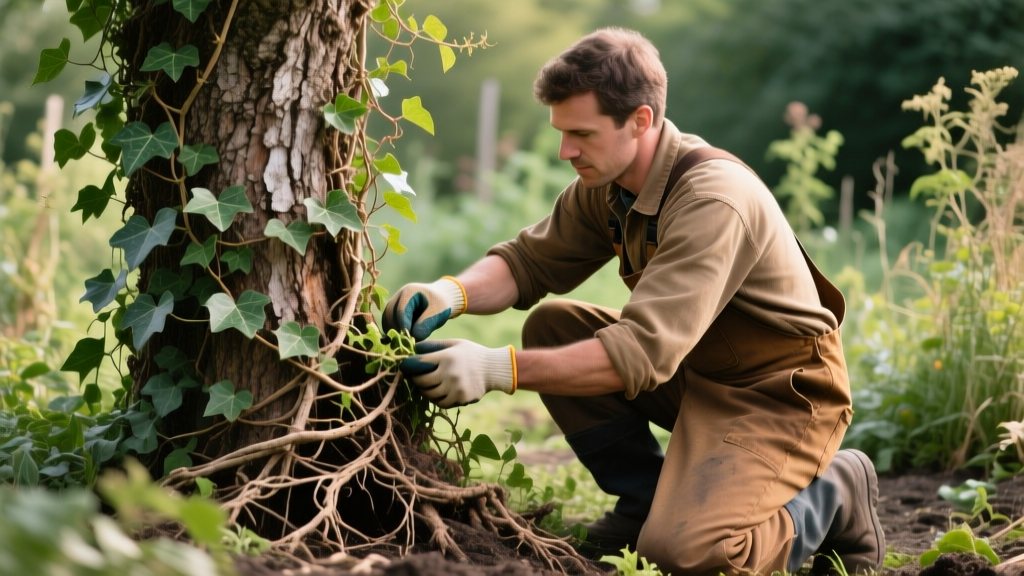
How to Identify and Remove Tree-Strangling Vines & Weeds
Anna KowalskiPublished
The Hidden Threat: Weeds and Vines That Harm Trees
When maintaining a healthy landscape, trees are often the crown jewels of the property. However, the health of your mature shade trees and young saplings can be severely compromised by aggressive, invasive weeds and climbing vines. While some ground covers may look harmless or even aesthetically pleasing, species like English ivy, kudzu, and Oriental bittersweet are notorious for strangling trees, blocking sunlight, and adding immense physical weight that makes trees vulnerable to storm damage. From a weed identification and removal perspective, managing the root zone and the trunk of your trees is just as critical as proper pruning or watering. In this comprehensive guide, we will explore how to identify the most destructive tree-threatening weeds, outline safe removal techniques, and discuss long-term preventative maintenance strategies to keep your trees thriving.
Why Invasive Vines and Weeds Damage Trees
Trees and invasive vines are locked in a constant battle for three essential resources: sunlight, water, and soil nutrients. When aggressive weeds establish themselves in the critical root zone—the area extending from the trunk to the tree's drip line—they rob the tree of vital moisture and fertilizer. Furthermore, climbing vines introduce severe structural dangers. As vines wrap around the trunk and ascend into the canopy, they girdle the tree, cutting off the flow of water and nutrients through the vascular cambium layer. According to the Penn State Extension, vines like English ivy can also harbor pests and diseases, while their heavy foliage acts as a sail during high winds, dramatically increasing the risk of uprooting or branch failure during severe storms.
Top 4 Invasive Vines and Weeds That Target Trees
1. English Ivy (Hedera helix)
English ivy is a pervasive evergreen vine that is frequently planted as a ground cover but quickly turns into a tree-strangling menace. It climbs trees using aerial rootlets that cling tightly to the bark, which can trap moisture and lead to fungal diseases and bark rot. Once it reaches the canopy, the ivy blocks sunlight from reaching the tree's leaves, severely stunting photosynthesis. If left unchecked, the sheer weight of mature ivy vines can cause large limbs to snap under the stress of wind or snow.
2. Kudzu (Pueraria montana)
Often referred to as 'the vine that ate the South,' kudzu is an aggressively fast-growing deciduous perennial. It can grow up to a foot per day during the summer months, rapidly engulfing entire trees and forest edges. Kudzu kills trees primarily by shading them out completely, preventing any sunlight from reaching the host tree's canopy. The University of Maryland Extension notes that kudzu's massive tuberous root system makes it incredibly difficult to eradicate, requiring persistent management strategies to protect vulnerable landscape trees.
3. Oriental Bittersweet (Celastrus orbiculatus)
Oriental bittersweet is a woody vine that wraps tightly around tree trunks and branches. Its twisting growth habit causes severe girdling, which restricts the tree's vascular system and eventually chokes the host. Additionally, the vine's extensive leaf canopy shades out the tree, while its heavy, fruit-laden branches add significant weight to the upper canopy. The NC State Extension warns that Oriental bittersweet is highly invasive and displaces native flora, making early identification and removal critical for tree survival.
4. Field Bindweed (Convolvulus arvensis)
While not a towering vine like kudzu, field bindweed is a notorious creeping weed that targets the critical root zone of young trees and saplings. Its deep, extensive root system competes aggressively with young trees for water and soil nutrients. Bindweed will also climb the lower trunks of saplings, wrapping around them and stunting their vertical growth. Because its roots can extend up to 20 feet deep, manual removal is rarely effective without the use of targeted systemic herbicides.
Comparison Chart: Identifying Tree-Threatening Weeds
| Weed / Vine Name | Leaf Characteristics | Growth Habit | Primary Threat to Trees |
|---|---|---|---|
| English Ivy | Lobed, dark green, leathery | Climbing vine via aerial rootlets | Bark rot, canopy shading, structural weight |
| Kudzu | Large, trifoliate (three leaflets) | Fast-growing ground and climbing vine | Complete canopy smothering, light deprivation |
| Oriental Bittersweet | Oval, finely toothed edges | Twining woody vine | Trunk girdling, vascular restriction |
| Field Bindweed | Arrowhead-shaped, smooth | Creeping and twining ground weed | Root zone nutrient and water theft |
Step-by-Step Guide to Removing Vines from Trees
Removing established vines requires a careful approach to avoid damaging the tree's bark or disturbing its shallow feeder roots. Follow this three-step protocol for safe and effective removal.
Step 1: Sever the Vines at the Base
Do not attempt to rip live vines directly off the tree trunk, as this will strip the bark and expose the tree to pests and pathogens. Instead, use a pair of bypass loppers or a pruning saw to cut through the vine stems at ground level. For thick, woody vines like Oriental bittersweet, make two cuts to remove a 2-to-3-inch section of the stem completely. This prevents the vine from reattaching or healing over the cut. Leave the upper portion of the vine attached to the tree; it will naturally dry out, die, and eventually fall off on its own over the next few months.
Step 2: Treat the Stumps (Herbicide Options)
Cutting the vine is rarely enough, as most invasive species will vigorously resprout from their extensive root systems. Within 15 minutes of cutting the vine, apply a systemic herbicide directly to the freshly cut stump. This 'cut-stump' method ensures the chemical is drawn down into the roots, killing the weed at its source. Use a small foam brush or sponge applicator to paint the herbicide onto the stump, avoiding any drips onto the surrounding soil or the tree's root flare.
Step 3: Clear the Root Zone
For creeping weeds like bindweed or ground-level ivy, clear a 3-foot radius around the base of the tree. Use a hand trowel or a garden hoe to gently loosen the soil and extract the weed roots. Be extremely cautious not to sever the tree's fine, shallow feeder roots, which are typically located in the top 12 inches of soil. Hand-pulling is preferred near the trunk, while shallow hoeing can be used further out toward the drip line.
Safe Herbicide Use Around Tree Root Zones
When chemical control is necessary, selecting the right active ingredient is crucial to prevent collateral damage to your landscape trees. Triclopyr (found in products like Ortho GroundClear Poison Ivy & Tough Brush Killer) is a selective systemic herbicide that is highly effective on broadleaf weeds and woody vines. It is generally safe to use near trees when applied as a cut-stump treatment or carefully painted onto weed foliage, as it does not readily harm grasses or mature tree bark. Glyphosate (found in Roundup Pro or similar concentrate products) is a non-selective herbicide that will kill any plant tissue it contacts. It should only be used on weeds in the tree's root zone if applied with a targeted shield or wick applicator to prevent drift onto the tree's trunk, leaves, or exposed roots. Always wear personal protective equipment (PPE), including nitrile gloves and safety goggles, when handling concentrated herbicides.
Preventative Maintenance and Proper Mulching
The best defense against tree-strangling weeds is a healthy, well-maintained root zone. After clearing the weeds, apply a 2-to-4-inch layer of organic mulch, such as shredded hardwood or pine bark, over the cleared area. Mulch suppresses weed seed germination, retains soil moisture, and regulates soil temperature. However, you must practice the 'donut' mulching method: keep the mulch at least 3 inches away from the tree trunk to prevent 'volcano mulching.' Piling mulch against the trunk traps moisture, leading to bark decay, fungal infections, and inviting wood-boring insects.
By conducting bi-annual inspections of your tree trunks and root zones, you can spot and sever invasive vines before they reach the canopy. Professional vine removal services typically charge between $50 and $150 per tree, but diligent homeowners can manage the problem themselves for under $40 in tools, targeted herbicides, and mulch. Protecting your trees from aggressive weeds ensures they remain structurally sound, visually stunning, and healthy for decades to come.