Tree Care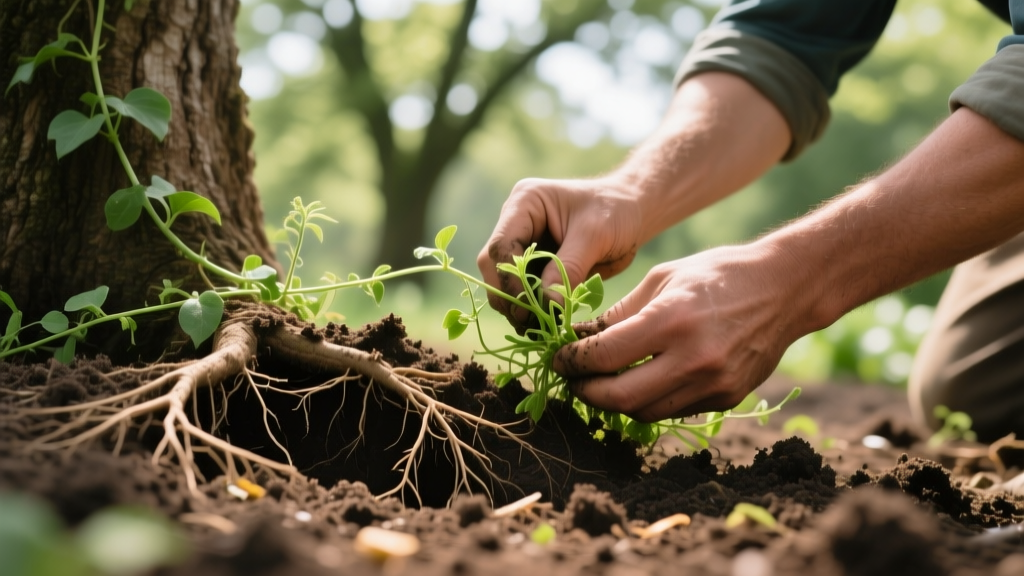
How to Identify and Remove Weeds in Tree Root Zones
Sarah ChenPublished
The Critical Root Zone (CRZ) is the lifeblood of your landscape trees. Often defined as the area beneath the tree's drip line and extending slightly beyond, this zone contains the majority of the fine, water-absorbing roots. When invasive weeds, aggressive broadleaf plants, and climbing vines infiltrate this space, they do more than just ruin the aesthetic of your garden. They actively steal vital resources, alter soil chemistry, and can even cause structural damage to the tree itself. As a homeowner or land manager, understanding how to identify and safely remove these botanical invaders is essential for long-term tree health. In this comprehensive weed identification and removal guide, we will explore the most common weeds found in tree beds, the safest methods for eradication without harming delicate tree roots, and preventative mulching strategies endorsed by leading arborists.
Why Weeds and Vines Threaten Tree Health
Weeds are opportunistic. They thrive in disturbed soils and can quickly outcompete young trees or stress mature specimens. The threats they pose generally fall into three categories:- Resource Competition: Aggressive weeds like bindweed or thistle have extensive root systems that siphon off water and essential soil nutrients before the tree's feeder roots can absorb them. During drought periods, this competition can lead to severe canopy dieback.
- Physical Damage and Girdling: Climbing vines such as English Ivy or Kudzu can scale the trunk and engulf the canopy. This blocks sunlight, halting photosynthesis. Furthermore, as woody vines thicken, they can girdle the tree trunk, cutting off the flow of water and nutrients through the cambium layer.
- Pest and Disease Harboring: Dense weed mats create a humid, shaded microclimate at the base of the tree. This environment is a breeding ground for fungal pathogens like Armillaria root rot and provides shelter for bark-boring insects and rodents that may chew on the tree's root flare.
Identifying Common Tree-Choking Weeds and Vines
Before you can remove weeds, you must accurately identify them. Misidentification can lead to ineffective treatment or accidental exposure to toxic plants like Poison Ivy. Below is a quick-reference identification chart for the most notorious offenders found in tree root zones.| Common Name | Scientific Name | Growth Habit | Primary Threat to Trees |
|---|---|---|---|
| English Ivy | Hedera helix | Woody climbing vine / Groundcover | Canopy shading, trunk girdling, harbors rodents |
| Kudzu | Pueraria montana | Aggressive deciduous vine | Complete canopy engulfment, structural breakage |
| Poison Ivy | Toxicodendron radicans | Climbing vine / Shrub | Human hazard during removal, competes for water |
| Field Bindweed | Convolvulus arvensis | Herbaceous twining vine | Chokes young saplings, deep persistent taproot |
| Garlic Mustard | Alliaria petiolata | Biennial broadleaf herb | Allelopathic (releases root toxins), alters soil fungi |
The Danger of Allelopathy
Some weeds, like Garlic Mustard, practice allelopathy. They release biochemicals into the soil that inhibit the growth of surrounding plants and disrupt the mycorrhizal fungi networks that mature trees rely on for nutrient uptake. Eradicating these specific weeds is not just about removing competition; it is about rescuing the soil biology of your tree's root zone.Safe Weed Removal Techniques for the Root Zone
The Critical Root Zone is highly sensitive. You cannot simply rototill or aggressively dig around a tree without severing vital anchor and feeder roots. Furthermore, the bark at the base of the trunk (the root flare) is susceptible to severe damage from mechanical tools. Here is how to tackle weed removal safely.1. Manual Extraction (Hand-Pulling)
For young trees, saplings, and small weed infestations, manual removal is the safest method.- Timing: Pull weeds after a heavy rain or deep watering when the soil is moist. This ensures you extract the entire root system rather than snapping the weed at the soil line.
- Technique: Grip the weed at the base. For taproots like dandelions or bindweed, use a specialized weeding tool like a soil knife or hori-hori to gently loosen the soil vertically alongside the root. Avoid prying horizontally, which can snap tree feeder roots.
- Vine Removal: For climbing vines like English Ivy, do not pull them directly off the trunk, as this can strip the tree's bark. Instead, cut the vines at the base of the trunk and again at shoulder height. Peel the lower section away carefully, and let the upper canopy section die and fall off naturally.
2. Mechanical Control (String Trimmers and Hoes)
Mechanical tools are useful for large mulch beds but carry high risks.Warning: 'String trimmer blight' or 'lawnmower disease' is a leading cause of urban tree decline. Repeatedly striking the trunk with a nylon string or metal blade destroys the cambium layer, eventually girdling and killing the tree.If you must use a string trimmer near a tree, install a rigid plastic tree guard around the base of the trunk. Alternatively, use a sharp hula hoe (scuffle hoe) to slice weed roots just below the soil surface, being careful not to dig deeper than one inch to protect shallow tree roots.
3. Chemical Control (Herbicide Application)
Using herbicides near trees requires extreme caution. Trees can absorb systemic herbicides through their roots or through thin bark, leading to severe phytotoxicity, leaf cupping, or death.- Avoid Soil Sterilants: Never use products containing imazapyr or prometon near trees. These remain active in the soil for months and will be absorbed by tree roots.
- Targeted Glyphosate Use: For stubborn broadleaf weeds or cut-vine stumps, a 2% to 5% solution of glyphosate can be carefully painted onto the freshly cut weed stumps using a foam brush. Do not spray near the tree's root flare.
- Triclopyr Risks: While triclopyr is excellent for woody vines like Poison Ivy, it can easily volatilize or leach into the soil and damage desirable broadleaf trees. Use it only as a targeted cut-stump treatment in late summer or early fall when sap is flowing downward into the roots.
The Preventative Strategy: Proper Mulching
The absolute best defense against weeds in a tree bed is a proper layer of organic mulch. Mulch blocks sunlight from reaching weed seeds, retains soil moisture, and moderates soil temperature. However, improper mulching can be just as damaging as the weeds themselves. The Morton Arboretum recommends the '3-3-3 Rule' for mulching trees:- 3 Inches Deep: Apply no more than 2 to 3 inches of organic mulch (like shredded hardwood or pine bark). Excessive mulch suffocates roots and encourages fungal rot.
- 3 Foot Radius: Extend the mulch ring at least 3 feet outward from the trunk (ideally to the drip line) to outcompete turfgrass and broadleaf weeds.
- 3 Inches Away: Keep the mulch at least 3 inches away from the actual trunk of the tree. Piling mulch against the bark (creating a 'mulch volcano') traps moisture, invites borers, and causes the trunk to rot.
Seasonal Weed Management Schedule
To keep your tree root zones healthy year-round, follow this seasonal maintenance schedule:- Early Spring: Inspect tree beds as the soil thaws. Hand-pull early-emerging winter annual weeds (like chickweed or henbit) before they set seed. Refresh mulch layers that have decomposed over the winter.
- Late Spring / Early Summer: Monitor for aggressive vines like bindweed. Cut them back immediately before they begin to climb the tree trunk. Apply targeted cut-stump herbicide to woody invaders if manual removal failed.
- Late Summer: Focus on deep watering the tree to help it outcompete drought-stressed weeds. Remove any late-season seed heads from weeds like thistle or ragweed to prevent next year's crop.
- Fall: The ideal time to treat persistent perennial weeds and woody vines with systemic herbicides, as plants are actively pulling nutrients (and the herbicide) down into their root systems for winter storage. Rake fallen leaves out of tree beds if they harbor fungal diseases, but consider shredding them in place as a natural, weed-suppressing mulch layer if the tree is healthy.