Tree Care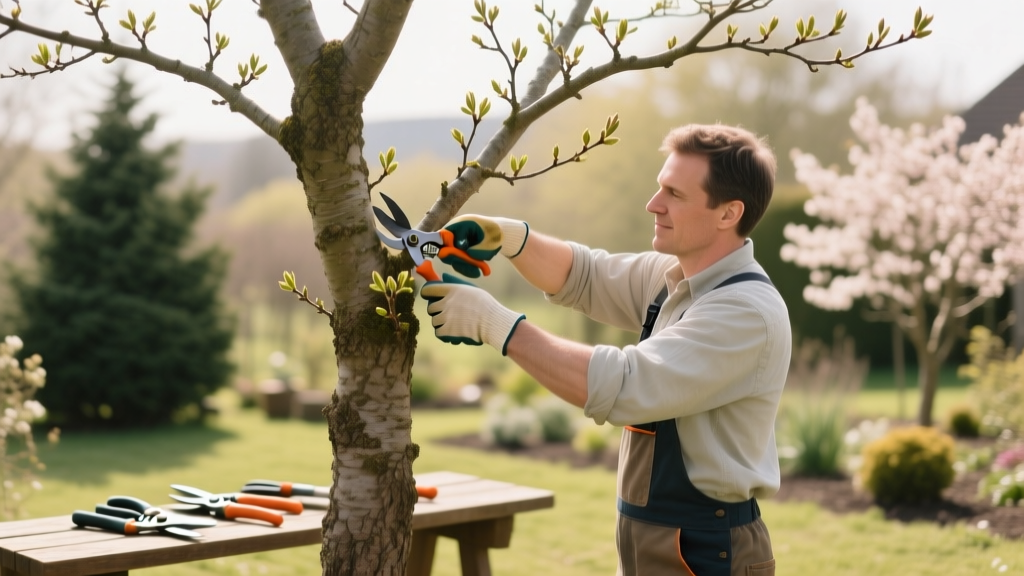
When to Prune Trees: The Ultimate Seasonal Timing Guide
Emily WatsonPublished
The Critical Importance of Pruning Timing
Pruning is one of the most vital maintenance tasks you can perform to ensure the long-term health, structural integrity, and aesthetic appeal of your landscape trees. However, knowing how to make a proper cut is only half the battle; knowing exactly when to make that cut is equally crucial. Pruning at the wrong time of year can stunt growth, invite devastating diseases, or wipe out an entire season of floral displays. This comprehensive when-to timing guide will break down the optimal seasonal windows for pruning every major category of tree in your yard.
According to the University of Minnesota Extension, timing your pruning to coincide with a tree's natural dormancy and growth cycles maximizes wound closure and minimizes stress. Let us explore the specific seasonal schedules for deciduous, evergreen, flowering, and fruit-bearing trees.
The Golden Rule: Late Winter Dormancy
For the vast majority of non-flowering deciduous trees, the absolute best time to prune is during late winter or very early spring, typically between February and early March, depending on your hardiness zone. This window falls just before the spring sap begins to flow and the buds break dormancy.
There are three primary reasons why late winter is the golden standard for tree pruning:
- Rapid Wound Healing: Because the spring growth flush is just weeks away, the tree will immediately begin producing callus tissue (wound wood) to seal the pruning cuts, reducing the window of vulnerability for pests and pathogens.
- Disease Prevention: Many tree diseases, such as oak wilt and Dutch elm disease, are spread by insects that are entirely inactive during the freezing temperatures of late winter.
- Visibility: Without leaves obscuring the canopy, it is significantly easier to identify structural defects, crossing branches, and deadwood, allowing for a more precise and effective pruning strategy.
When to Prune Deciduous Shade Trees
Shade trees like oaks, maples, ashes, and elms should strictly adhere to the late winter pruning schedule. As noted by Penn State Extension, improper pruning timing can invite devastating vascular diseases. For example, oak trees must never be pruned between April and October. During these warmer months, sap beetles are highly active and can carry the oak wilt fungus directly into fresh pruning wounds. If you must prune an oak during the summer due to storm damage, you must immediately seal the wound with a specialized tree wound paint or latex-based sealant to mask the scent of the sap from insects.
The Spring Bloomer Exception: Timing for Flowering Trees
The most common mistake homeowners make is applying the late winter pruning rule to spring-flowering trees. Trees and shrubs that bloom in early spring, such as dogwoods, redbuds, cherries, and magnolias, set their flower buds during the previous summer and autumn. If you prune these trees in late winter, you will unknowingly slice off all of their impending blooms.
The rule for spring bloomers is simple: prune them immediately after their flowers fade in late spring or early summer. This gives the tree the remainder of the growing season to produce new wood and set next year's flower buds. Conversely, trees that bloom in the summer, such as crape myrtles and rose of Sharon, produce flowers on new wood grown in the current season. These should be pruned during the standard late winter dormancy window.
Flowering Tree Pruning Schedule
| Tree Category | Bloom Period | Ideal Pruning Window | Common Examples |
|---|---|---|---|
| Spring-Flowering | Early to Mid-Spring | Immediately after blooms fade (Late Spring) | Dogwood, Redbud, Cherry, Magnolia, Forsythia |
| Summer-Flowering | Summer to Early Fall | Late Winter / Early Spring (Dormancy) | Crape Myrtle, Rose of Sharon, Mimosa, Linden |
| Non-Flowering Deciduous | N/A | Late Winter (February - March) | Oak, Elm, Ash, Sycamore, Hickory |
When to Prune Evergreen Trees
Evergreens require a slightly different approach, as they do not have a true, leafless dormancy period. The timing depends heavily on the specific species of evergreen you are maintaining.
- Pines: Pines should be pruned in mid-to-late spring when the new growth, known as 'candles,' has elongated but before the needles have fully expanded. Snapping or cutting these candles in half encourages dense, compact branching.
- Spruces and Firs: These trees can be pruned in early spring before new growth begins, or lightly shaped in mid-summer. Always cut back to a lateral bud or a side branch, as they will not sprout new growth from bare, older wood.
- Yews and Arborvitae: These are highly forgiving and can be pruned in early spring before the flush of new growth, with a second light shaping possible in late June or early July. Avoid pruning them in late fall, as the exposed inner foliage may suffer from winter burn.
The 'Bleeder' Trees: Maples, Birches, and Walnuts
Certain deciduous trees, most notably maples, birches, walnuts, and elms, are known as 'bleeders.' If pruned in late winter, they will exude massive amounts of sap from the cuts once the spring thaw begins. While this heavy sap flow looks alarming and can stain the bark, it rarely harms the overall health of a mature tree. However, to avoid the mess and the slight loss of stored energy, it is best to prune these specific species in mid-to-late summer (after the leaves have fully matured and hardened off) or in late autumn after the leaves have completely dropped and the tree has entered deep dormancy.
Times to Avoid Pruning: The Danger Zones
Just as important as knowing when to prune is knowing when to put your tools away. You should strictly avoid heavy pruning during the following periods:
- Late Summer and Early Fall: Pruning during this window stimulates tender new growth. This late-season flush will not have enough time to 'harden off' and develop a protective corky bark before the first freezing temperatures arrive, leading to severe winter dieback.
- During Active Spring Bud Break: When the buds are just swelling and the leaves are unfolding, the tree is expending massive amounts of stored energy. Pruning during this high-stress transition period can severely weaken the tree and leave it vulnerable to secondary pests like borers.
Essential Pruning Tools, Measurements, and Costs
Using the correct tool for the specific branch diameter ensures clean cuts that heal rapidly. Crushing or tearing the bark with an undersized tool creates jagged wounds that invite rot. Here is a breakdown of the essential tools, their cutting capacities, and estimated costs for high-quality, professional-grade models.
- Bypass Hand Pruners: For branches up to 3/4 inch in diameter. Essential for precise, close-up cuts. (Cost: $40 - $70. Recommended brand: Felco or Corona).
- Bypass Loppers: For branches between 3/4 inch and 2 inches thick. The long handles provide the leverage needed for thicker wood. (Cost: $50 - $90).
- Folding Pruning Saw: For branches 2 inches to 6 inches thick. Look for a curved blade with tri-cut teeth that cut on the pull stroke to prevent binding. (Cost: $25 - $50. Recommended brand: Silky or Bahco).
- Pole Pruner: For reaching branches up to 14 feet high without a ladder. Usually features a bypass blade and a small saw attachment. (Cost: $80 - $150).
Tool Sanitization Protocol
Timing your pruning perfectly means nothing if your tools transmit disease from one tree to another. Between every single tree, and immediately after cutting any dead or diseased wood, you must sanitize your blades. Wipe the blades with a rag soaked in a 70% isopropyl alcohol solution or a 10% household bleach solution. If using bleach, be sure to oil the pivot points of your tools afterward, as bleach accelerates rusting on high-carbon steel blades.
Mastering the Three-Cut Method for Heavy Limbs
When removing branches larger than two inches in diameter during your optimal seasonal window, never attempt to remove the entire limb in a single cut. The weight of the falling branch will tear the bark down the trunk, causing catastrophic damage that takes years to heal. Instead, utilize the professional three-cut method:
- The Undercut: Make a shallow cut on the underside of the branch, about 12 to 18 inches away from the trunk. Cut about one-third of the way through. This stops the bark from tearing when the branch falls.
- The Top Cut: Move an inch or two further out from the undercut and saw completely through the branch from the top down. The heavy outer portion will fall away cleanly.
- The Final Collar Cut: Remove the remaining stub by cutting just outside the 'branch collar' (the swollen, wrinkled area where the branch meets the trunk). Never cut flush against the trunk, as this removes the tree's natural chemical defense zone and delays healing.
Summary
Mastering the when-to timing of tree pruning transforms a stressful chore into a highly rewarding practice that guarantees a vibrant, structurally sound landscape. By respecting the dormancy cycles of deciduous trees, waiting until after the floral display for spring bloomers, and avoiding the dangerous late-summer growth flush, you set your trees up for decades of vigorous health. Keep your tools sharp, sanitize them religiously, and always let the tree's natural seasonal calendar dictate your pruning schedule.