Tree Care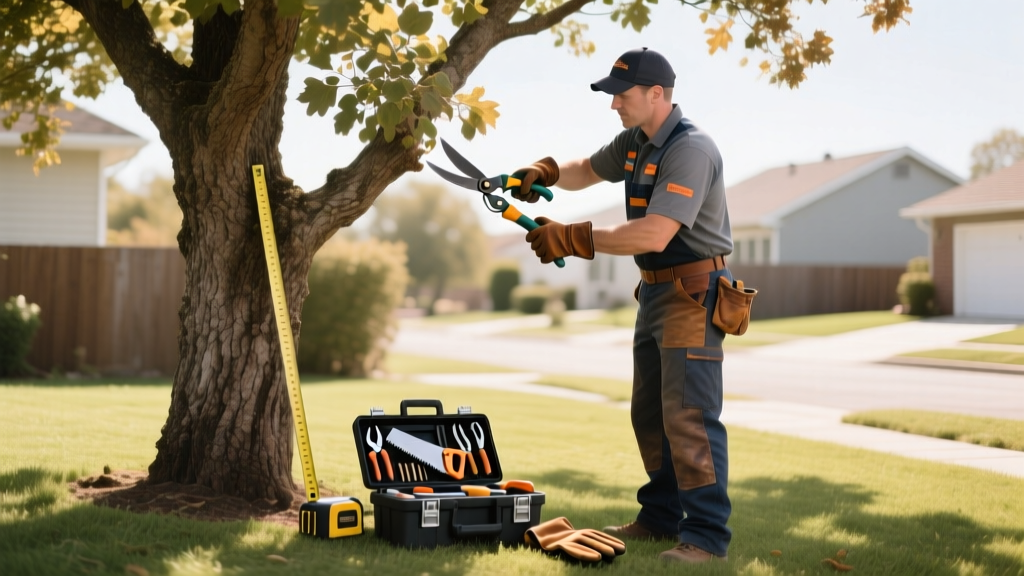
Tree Care Cost Guide: Pruning, Removal, and Maintenance Pricing
Lisa ThompsonPublished
The True Cost of Professional Tree Care and Maintenance
Trees are invaluable assets to any landscape, providing shade, improving air quality, and significantly boosting property values. However, maintaining their health, structural integrity, and aesthetic appeal requires a financial investment. Whether you are budgeting for routine pruning, planning a new tree planting project, or facing the unfortunate necessity of emergency storm damage removal, understanding the pricing structure of professional tree care is essential for homeowners. This comprehensive cost guide breaks down the average expenses associated with arboricultural services, helping you plan your annual landscaping budget with confidence and avoid unexpected financial surprises.
Average Tree Care Costs at a Glance
The cost of tree services varies widely based on geographic location, the specific species of the tree, its overall health, and its proximity to structures or power lines. Below is a structured breakdown of average national pricing for the most common tree care services.
| Service Type | Average Cost Range | Pricing Factor |
|---|---|---|
| Tree Trimming (Small, under 30 ft) | $150 - $400 | Per tree |
| Tree Trimming (Medium, 30-60 ft) | $400 - $800 | Per tree |
| Tree Trimming (Large, over 60 ft) | $800 - $1,800+ | Per tree |
| Tree Removal (Standard) | $500 - $2,500 | Per tree / height |
| Stump Grinding | $150 - $500 | Per inch of diameter |
| Deep Root Fertilization | $100 - $300 | Per tree / canopy size |
| Disease and Pest Treatment | $150 - $600 | Per tree / treatment type |
| Tree Planting (Sapling to Medium) | $150 - $800 | Per tree + labor |
Tree Pruning and Trimming Costs
Routine pruning is the most common tree care service and is vital for removing deadwood, improving airflow, and mitigating storm risks. According to data compiled in Angi's tree trimming cost guide, the national average for tree trimming sits between $400 and $800, though this fluctuates wildly based on the tree's height, canopy density, and accessibility.
Factors Influencing Pruning Prices
- Tree Size and Canopy Spread: Larger trees require more labor, specialized equipment like bucket trucks, and advanced rigging techniques to safely lower heavy limbs.
- Species and Wood Density: Hardwoods like oak and hickory are heavier and harder to cut, increasing the time and wear on equipment compared to softer pines.
- Proximity to Hazards: Trees intertwined with power lines, hanging over roofs, or near fences require meticulous, piece-by-piece rigging rather than simple free-fall dropping, which increases labor hours.
- Health Condition: Dead or diseased trees are unpredictable. Brittle wood requires arborists to use more cautious rigging methods, driving up the cost of the pruning service.
It is crucial to invest in proper pruning techniques. Improper pruning techniques, such as flush cuts or leaving large stubs, can invite decay and structural weakness. As noted by Penn State Extension, making proper pruning cuts just outside the branch collar is essential for the tree's natural compartmentalization process, ultimately saving you money by preventing premature tree failure and costly emergency removals down the line.
Tree Removal and Stump Grinding Costs
Tree removal is generally the most expensive arboricultural service due to the high level of risk, heavy machinery required, and extensive labor involved. Removing a large, mature oak or ash tree can easily exceed $2,500, especially if a crane is required to lift sections over a home.
Removal Cost Breakdown
- Small Trees (Under 30 ft): $200 - $500. Often can be felled in one piece if space permits.
- Medium Trees (30-60 ft): $500 - $1,200. Requires sectional dismantling and rigging.
- Large Trees (Over 60 ft): $1,200 - $3,000+. May require crane assistance, multiple crew members, and complex rigging.
The Add-On Cost of Stump Grinding
Tree removal quotes rarely include stump grinding unless explicitly requested. Leaving a stump can attract pests like carpenter ants and termites, and it creates a tripping hazard. Stump grinding is typically priced per inch of the stump's diameter, averaging $3 to $5 per inch. For a large 30-inch stump, expect to pay an additional $90 to $150. Complete root removal is significantly more expensive and involves excavation, which is usually only necessary if you plan to build a structure or replant in the exact same spot.
Tree Planting and Transplanting Costs
Planting a tree is an investment in the future of your property. The cost of professional tree planting depends heavily on the size of the tree being installed. Nurseries price trees based on trunk caliper (the diameter of the trunk measured at knee height) or container size.
- 15-Gallon Container (1.5 to 2-inch caliper): $150 - $350 installed. These are lighter, easier to transport, and establish roots faster.
- Balled and Burlapped (3 to 4-inch caliper): $600 - $1,500 installed. These are heavy, mature trees that require skid steers or small excavators to move and plant safely.
- Mature Specimen Trees (5+ inch caliper): $2,500 - $10,000+. Requires large cranes, specialized transport permits, and extensive soil preparation.
Professional planting ensures the root flare is properly exposed and the planting hole is dug to the correct width and depth, preventing fatal issues like girdling roots or root rot.
Preventative Health Care and Disease Management
Proactive tree health care is often more cost-effective than reactive treatments or emergency removals. Urban trees face severe stress from compacted soil, drought, and environmental pollutants.
Deep Root Fertilization and Soil Care
Deep root fertilization involves injecting a liquid blend of essential nutrients and organic matter directly into the root zone under high pressure. This process aerates the soil while feeding the tree, typically costing $100 to $300 per tree depending on the canopy size. It is highly recommended for mature trees showing signs of chlorosis (yellowing leaves) or stunted growth.
Pest and Disease Treatments
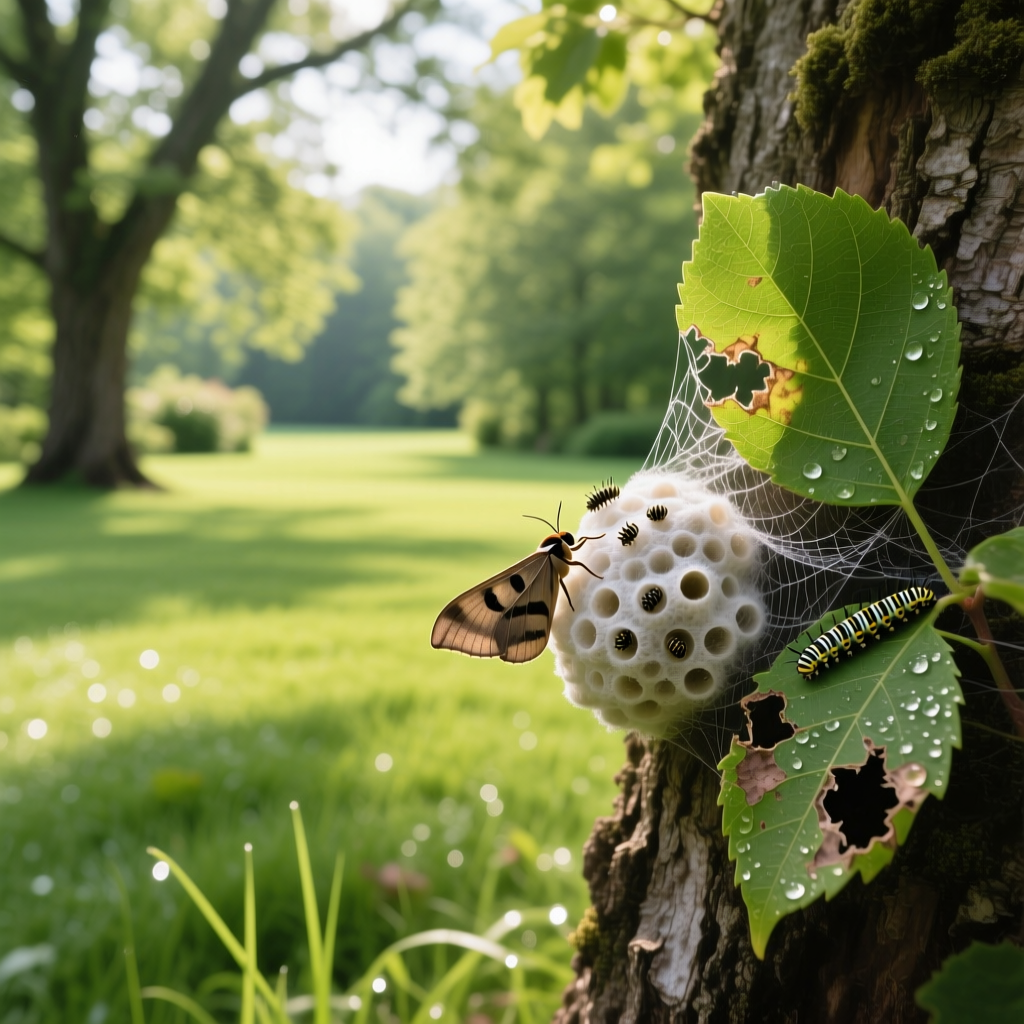
Invasive pests like the Emerald Ash Borer (EAB) or Hemlock Woolly Adelgid require specialized systemic insecticides. Trunk injections or soil drench treatments range from $150 to $600 per tree. While expensive, treating a high-value shade tree is vastly more economical than paying $2,000 to remove it once it succumbs to the infestation.
DIY vs. Hiring a Certified Arborist
While homeowners can safely prune small ornamental trees and shrubs using hand pruners and pole saws, any work requiring a ladder, chainsaw, or proximity to power lines should be left to professionals. The financial risks of DIY tree care are staggering. A single miscalculated cut can result in thousands of dollars in property damage to roofs, vehicles, or fences, not to mention the severe risk of personal injury or electrocution.
When hiring a professional, credentials matter. The International Society of Arboriculture (ISA) strongly recommends hiring an ISA Certified Arborist. These professionals have passed rigorous exams demonstrating their knowledge of tree biology, safety standards, and proper care techniques. Furthermore, reputable tree care companies carry both liability insurance and workers' compensation. If an uninsured worker is injured on your property, you could be held financially liable for their medical bills, a hidden cost that far exceeds the price of hiring a premium, insured company.
Hidden Costs and Money-Saving Tips
To maximize your landscaping budget, consider the following strategies to manage tree care costs effectively:
- Bundle Services: If you need multiple trees pruned or removed, contractors often offer a discounted day rate rather than pricing each tree individually. The mobilization cost (bringing the crew and trucks to your home) is absorbed across the entire project.
- Off-Season Scheduling: Tree care companies are busiest during late spring and summer. Scheduling non-emergency pruning or removals during the late fall or winter dormancy period can sometimes yield a 10% to 20% discount.
- Keep the Wood: If you have a wood-burning fireplace or fire pit, ask the tree service to cut the removed tree into manageable logs and leave it on-site. Hauling away debris (green waste) takes time and dump fees; waiving the cleanup portion of the quote can lower your final bill.
- Check Local Permits: Many municipalities have heritage tree ordinances that require a permit to remove or heavily prune trees over a certain size. Failing to secure a permit can result in massive fines. Always verify local regulations before signing a removal contract.
Conclusion
Budgeting for professional tree care is a necessary aspect of responsible homeownership. By understanding the pricing tiers for pruning, removal, planting, and health maintenance, you can make informed decisions that protect both your property and your wallet. Always prioritize safety and long-term tree health by investing in ISA Certified Arborists, ensuring your landscape remains a safe, beautiful, and thriving environment for decades to come.