Tree Care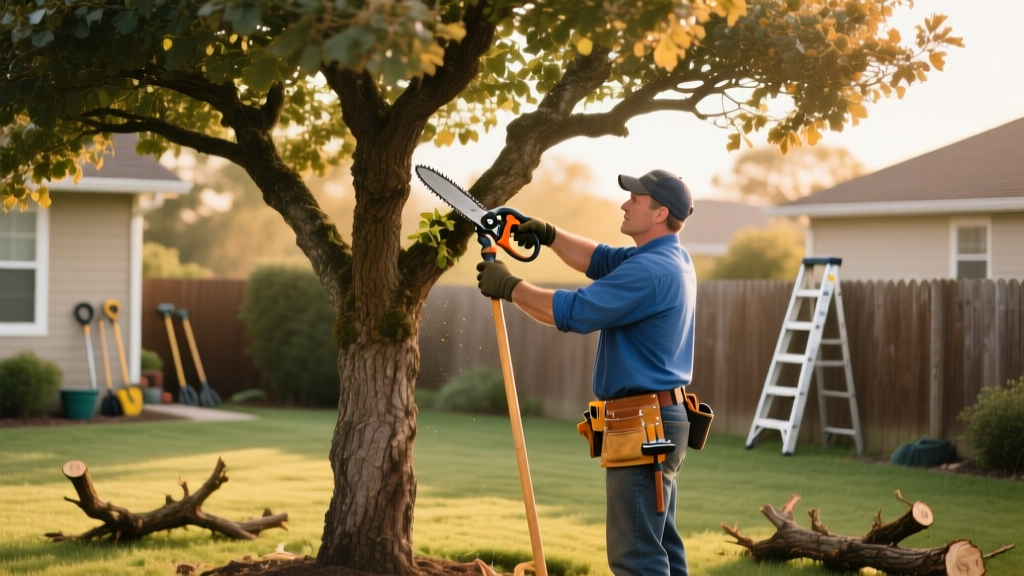
Tree Trimming and Pruning Costs: Complete Pricing Guide
Robert HayesPublished
Introduction to Tree Care Budgeting
Trees are one of the most valuable assets on your property, providing shade, improving air quality, and boosting curb appeal. However, maintaining their health and structural integrity requires regular trimming and pruning. For homeowners, understanding the costs associated with professional tree care is essential for proper landscape budgeting. Whether you are managing a small ornamental tree in your front yard or a massive oak in your backyard, the expenses can vary wildly based on a multitude of factors. This comprehensive pricing guide will break down the average costs of tree trimming, explore the variables that influence your final bill, and help you decide when to tackle the job yourself and when to call in the professionals.
Average Tree Trimming and Pruning Costs
The national average cost for professional tree trimming typically ranges between $300 and $700, with most homeowners spending around $450 for a standard mid-sized tree. However, pricing is rarely one-size-fits-all. Arborists generally base their quotes on the height and canopy spread of the tree, as larger trees require more time, specialized equipment, and heightened safety protocols. Below is a structured breakdown of average costs based on tree size.
| Tree Size Category | Average Height | Estimated Cost Range |
|---|---|---|
| Small Trees | Under 30 feet | $150 - $450 |
| Medium Trees | 30 to 60 feet | $200 - $750 |
| Large Trees | 60 to 80 feet | $700 - $1,500 |
| Extra-Large Trees | Over 80 feet | $1,500 - $2,500+ |
Keep in mind that these figures represent standard maintenance pruning. If a tree is severely overgrown, diseased, or located near hazardous obstacles, the price will increase accordingly.
Key Factors That Influence Your Final Bill
When you request a quote from a local tree care company, the arborist will evaluate several specific criteria before providing a number. Understanding these variables can help you anticipate costs and prepare your property for service.
Tree Height and Canopy Spread
As illustrated in the table above, height is the primary cost driver. Trees under 30 feet can often be pruned using ladders and pole pruners from the ground. Trees exceeding 60 feet require bucket trucks, climbing gear, and advanced rigging techniques, which drastically increases labor time and equipment costs.
Species and Wood Density
The type of tree you have also plays a role. Dense hardwoods like oak, hickory, and maple are heavier and more difficult to cut, requiring more physical effort and time to safely lower branches to the ground. Conversely, softer woods or palm trees may be quicker to trim, though palms require specialized sanitization protocols to prevent the spread of lethal diseases.
Health and Structural Condition
A healthy tree with a strong branch union structure is straightforward to prune. However, if your tree is suffering from disease, pest infestation, or extensive deadwood, the arborist must take extra precautions. Dead branches are brittle and unpredictable, requiring meticulous rigging to prevent them from falling and damaging property. Furthermore, pruning tools must be rigorously sanitized between cuts to avoid spreading pathogens like fire blight or oak wilt.
Location and Accessibility
Where the tree is located on your property heavily impacts the price. A tree in an open field allows for easy access with a bucket truck and straightforward debris dropping. A tree wedged between your home, a fence, and overhead power lines requires technical climbing, precise directional felling of branches, and potentially coordination with the local utility company. Limited access that forces the crew to manually carry debris to the street will also incur additional labor charges.
Types of Pruning Services and Their Pricing
Pruning is not just about randomly cutting branches; it is a scientific practice aimed at improving tree health and safety. Different pruning techniques require different levels of expertise and time.
- Crown Cleaning: This involves the removal of dead, diseased, broken, or weakly attached branches from the crown. It is the most common and essential form of pruning, typically costing on the lower end of the spectrum.
- Crown Thinning: Thinning selectively removes branches to increase light penetration and air movement through the canopy. This reduces wind resistance and weight on heavy limbs. It requires a trained eye to avoid over-thinning, which can stress the tree.
- Crown Raising: This technique removes the lower branches of a tree to provide clearance for buildings, vehicles, pedestrians, and sightlines. It is generally straightforward but requires precise collar cuts to promote rapid wound closure.
- Crown Reduction: Often confused with topping (which is a harmful and outdated practice), true crown reduction carefully reduces the overall size of the tree by pruning back to lateral branches that are large enough to assume the terminal role. This is labor-intensive and commands a higher price.
DIY Tree Trimming vs. Hiring a Professional
Many homeowners attempt to save money by trimming their own trees. While DIY is feasible for small, young trees, it quickly becomes dangerous and counterproductive as the tree matures.
When to DIY
If your tree is under 15 feet tall and you are only removing small, dead, or crossing branches, DIY is a cost-effective option. You will need high-quality tools such as Felco 2 bypass pruners for precise cuts up to 1 inch thick, and Fiskars geared loppers for branches up to 2.5 inches. For slightly higher reach, a manual pole saw can extend your range safely without leaving the ground. According to guidance from the Penn State Extension, making proper pruning cuts just outside the branch collar is vital for the tree to compartmentalize the wound and prevent decay. Never use dull tools or hedge shears on individual branches, as crushing the wood invites disease.
When to Hire a Professional
Any tree taller than 20 feet, or any branch that requires a chainsaw while you are on a ladder, necessitates a professional. The risk of fatal falls, electrocution from nearby power lines, or severe property damage from falling timber is simply too high. Furthermore, improper pruning cuts like flush cuts or leaving long stubs can permanently compromise the tree's structural integrity, leading to costly removals down the line.
Hidden Costs and Surcharges to Anticipate
When comparing quotes, ensure you are looking at the complete scope of work. Some companies offer a low base rate but tack on hidden fees later. Be sure to clarify the following with your arborist:
- Debris Hauling and Cleanup: Does the quote include chipping and hauling away all wood and leaves? If you opt to keep the wood for firewood, some companies will cut it into manageable rounds and leave it, which may slightly reduce the price. However, leaving a massive pile of brush for the city to collect might violate local ordinances.
- Stump Grinding: If a tree requires complete removal rather than just pruning, stump grinding is almost always an additional service, typically costing between $2 and $5 per inch of stump diameter.
- Emergency and Storm Damage Rates: If a tree has fallen on your roof or is hanging precariously over a driveway after a severe storm, expect to pay a premium. Emergency tree work often incurs a 25% to 50% surcharge due to the immediate hazard, after-hours call-outs, and complex rigging requirements.
- Travel Fees: If your property is located far outside the company's standard service radius, a mileage or trip fee may be applied.
Seasonal Timing: How to Save Money on Tree Care
One of the most effective ways to reduce your tree care budget is to schedule your pruning during the off-season. Late winter to early spring, while the tree is fully dormant, is widely considered the optimal time for pruning most deciduous species. The University of Minnesota Extension notes that dormant pruning allows arborists to clearly see the branch structure without leaves obscuring their view, and it minimizes the risk of spreading insect-borne diseases like oak wilt, which are highly active in spring and summer.
From a financial perspective, winter is often the slowest season for tree care companies. Many arborists offer discounts of 10% to 20% during the colder months to keep their crews busy. Conversely, late spring and summer are peak seasons; companies are fully booked, and you will pay top dollar for their services.
Pro Tip: Always verify the credentials of the professional you hire. The International Society of Arboriculture (ISA) strongly recommends hiring an ISA Certified Arborist who carries both liability insurance and workers' compensation. An uninsured worker injured on your property could leave you financially liable for their medical bills, completely negating any money you thought you saved by hiring a cheap, unlicensed handyman.
Conclusion
Budgeting for tree trimming and pruning is an investment in the longevity and safety of your landscape. While the average cost hovers around $450, your specific price will depend on the size, species, and location of your trees, as well as the complexity of the pruning required. By understanding these cost factors, timing your service for the winter dormancy period, and always hiring a certified and insured arborist, you can maintain a stunning, healthy canopy without breaking the bank. Regular maintenance today prevents catastrophic failures and exorbitant emergency removal costs tomorrow.