Tree Care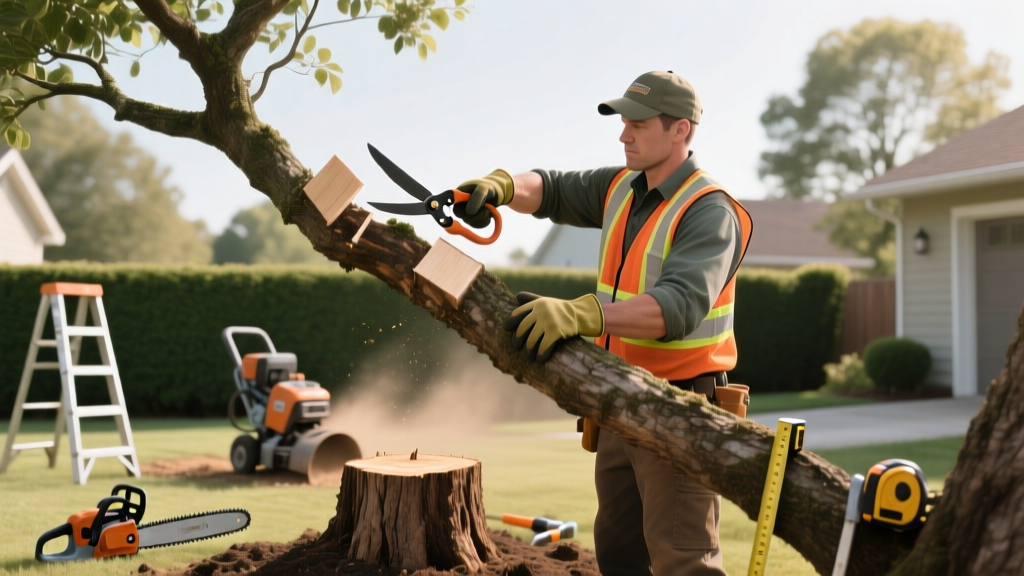
Tree Trimming and Removal Cost Guide: 2024 Pricing
Robert HayesPublished
Trees are among the most valuable living assets on your property, providing shade, improving air quality, and significantly boosting curb appeal. However, maintaining these towering landscape features requires a dedicated budget. Whether you are managing a sprawling estate or a modest suburban yard, understanding the economics of professional arboriculture is essential for responsible property management. From routine crown thinning to emergency storm damage removal, tree care costs can vary wildly based on a multitude of variables. This comprehensive pricing guide breaks down exactly what you can expect to pay for professional tree services in 2024, helping you budget effectively and avoid costly mistakes.
Average Tree Trimming and Pruning Costs by Size
Routine tree trimming is not just about aesthetics; it is a critical health practice that removes deadwood, prevents disease, and encourages robust structural growth. The primary driver of pruning costs is the sheer height and canopy spread of the tree. Taller trees require more specialized equipment, such as bucket trucks or advanced climbing rigging, which increases labor time and insurance liabilities.
| Tree Height | Average Cost Range | Estimated Time |
|---|---|---|
| Small (Under 25 ft) | $150 - $400 | 1 - 2 Hours |
| Medium (25 - 50 ft) | $400 - $850 | 2 - 4 Hours |
| Large (50 - 75 ft) | $850 - $1,500 | Half Day |
| Extra Large (75+ ft) | $1,500 - $2,500+ | Full Day+ |
Types of Pruning Services
Not all pruning is created equal. The specific technique your arborist employs will influence the final invoice:
- Crown Cleaning: The removal of dead, diseased, or broken branches. This is the most common and generally the most affordable service.
- Crown Thinning: Selective removal of branches to increase light penetration and air movement. This requires a skilled eye to avoid over-thinning, which can stress the tree.
- Crown Raising: Removing lower branches to provide clearance for vehicles, pedestrians, or structures.
- Crown Reduction: Carefully reducing the overall size of the canopy, often necessary when trees interfere with utility lines. This is labor-intensive and commands a premium price.
For detailed best practices on how these techniques impact long-term tree health, the Penn State Extension provides excellent, science-backed guidelines on proper pruning cuts and timing to prevent decay and promote rapid wound closure.
Tree Removal Costs: What to Expect
Tree removal is inherently dangerous and requires a high level of expertise, specialized rigging, and heavy-duty machinery. Consequently, removal is significantly more expensive than routine maintenance. The cost is heavily dictated by the tree's diameter at breast height (DBH), its overall condition, and its proximity to hazards like homes, fences, or power lines.
| Tree Size Category | Average Removal Cost | Equipment Needed |
|---|---|---|
| Small (Under 30 ft) | $250 - $600 | Chainsaws, ropes |
| Medium (30 - 60 ft) | $600 - $1,400 | Bucket truck, woodchipper |
| Large (60 - 100 ft) | $1,400 - $2,800 | Heavy rigging, crane (optional) |
| Extra Large (100+ ft) | $2,800 - $6,000+ | Mobile crane, large crew |
Stump Grinding and Root Removal Fees
When a tree is removed, the stump remains. Most standard removal quotes do not include stump grinding unless explicitly requested. Stump grinding is typically priced by the diameter of the stump, averaging between $3 to $5 per inch. Most companies enforce a minimum service fee of $100 to $150 to cover the cost of transporting the heavy stump grinder to your property. If you require complete root extraction to prepare the site for new landscaping or hardscaping, expect to pay an additional $300 to $800 depending on the complexity of the root ball and the manual labor required to excavate it.
Hidden Cost Factors You Must Consider
When budgeting for tree care, the base price is only part of the equation. Several site-specific variables can drastically alter your final bill:
1. Tree Health and Structural Integrity
Ironically, dead or dying trees are often more expensive to remove than healthy ones. A healthy tree has predictable wood strength, allowing arborists to safely climb and rig limbs. A dead, rotting tree is a structural liability; climbers cannot safely ascend it, meaning the crew must rely on expensive mobile cranes or specialized aerial lifts to dismantle it from the outside in.
2. Location and Drop Zones
A tree standing in an open field is cheap to remove. A tree of the exact same size leaning over your roof, wrapped in power lines, or wedged between two fences will cost significantly more. Tight spaces require meticulous, piece-by-piece rigging rather than simply felling the tree in one cut, multiplying the labor hours required.
3. Seasonality and Emergency Premiums
Tree care is a seasonal industry. You can often secure a 10% to 20% discount by scheduling non-essential pruning or removal during the winter dormant season when arborists are less busy. Conversely, if you require emergency services immediately following a severe storm, expect to pay a premium of 25% to 50% above standard rates due to the sudden surge in demand and the hazardous working conditions.
4. Municipal Permits and Heritage Trees
Many municipalities have strict ordinances protecting trees of a certain size or specific native species. If your tree falls under local protection laws, you may need to pay for an arborist report and municipal permit fees before any work can legally commence. Failing to secure these permits can result in massive fines that dwarf the cost of the tree work itself.
The Danger of Hiring Uninsured 'Tree Guys'
When soliciting quotes, you will inevitably encounter fly-by-night operators offering prices that seem too good to be true. Hiring uninsured, uncertified individuals is a massive financial risk. If an uninsured worker is injured on your property, or if they accidentally drop a limb on your neighbor's roof, you can be held personally and financially liable for the damages and medical bills.
According to the International Society of Arboriculture (ISA), hiring a certified arborist ensures that the professional has achieved a high level of knowledge in the art and science of tree care, and is bound by a strict code of ethics that prioritizes tree health and consumer safety.
Always demand proof of both liability insurance and workers' compensation insurance before signing any contract. A reputable tree service will gladly have their insurance provider email you a certificate of insurance directly.
How to Get Accurate Estimates: A Homeowner's Checklist
To ensure you are getting a fair price and high-quality service, follow this checklist when vetting tree care companies:
- Get Three Detailed Quotes: Never settle for the first estimate. Gather at least three itemized quotes to understand the local market rate.
- Verify ISA Certification: Look for the ISA Certified Arborist credential. This guarantees the worker understands proper pruning standards and tree biology.
- Ask About Cleanup: Ensure the quote explicitly includes debris hauling, wood chipping, and site cleanup. Some companies charge extra to haul away the wood, or offer a discount if you keep it for firewood.
- Check for Topping Practices: If a company suggests 'topping' your tree (cutting off the main canopy to reduce height), terminate the conversation immediately. Topping is an outdated, harmful practice that destroys tree health and structure.
- Review the Contract: Ensure the scope of work, total price, start date, and cleanup expectations are all documented in writing.
Final Thoughts on Tree Care Budgeting
While professional tree trimming and removal represent a significant line item in your annual landscape maintenance budget, it is an investment in the safety and value of your property. Proactive, routine pruning is always more cost-effective than reactive emergency removal. By understanding the pricing structures outlined in this guide, you can confidently negotiate with contractors, avoid predatory pricing, and ensure your trees remain healthy, safe, and beautiful for decades to come.