Tree Care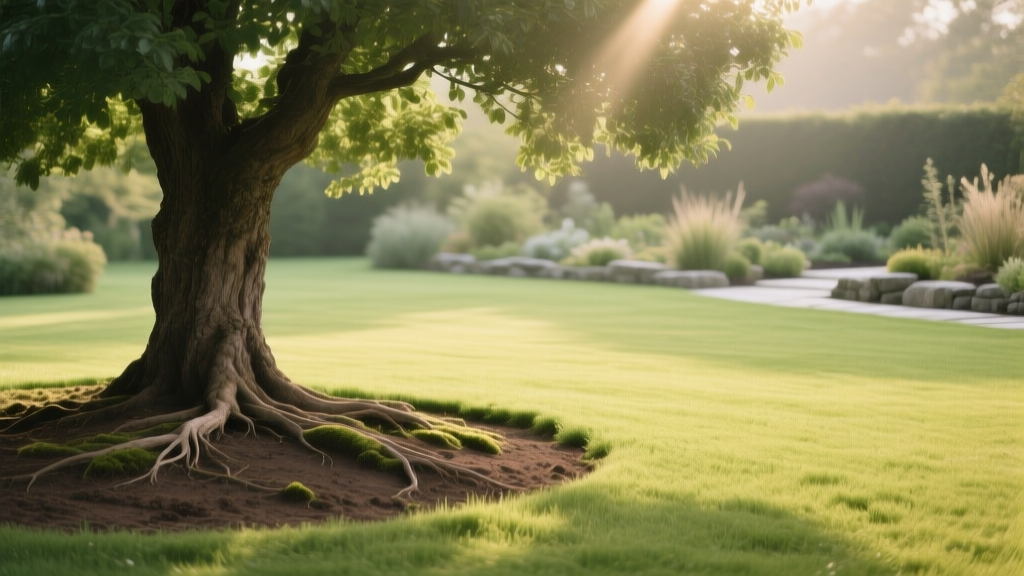
Tree And Turf Coexistence: Soil And Grass Matching
Robert HayesPublished
The Hidden Battle Beneath Your Lawn
Trees and turfgrass are the two most prominent features in the American landscape, yet they are natural competitors. In the wild, trees grow in forests with shaded, organic-rich forest floors, not in open, sun-drenched fields of competitive grasses. When we force them to coexist in our yards, the battleground is the soil. As a homeowner, understanding how to match your soil type with the right grass species—and adapting your tree care practices accordingly—is the secret to a thriving landscape.
The primary conflict arises from overlapping root zones. Turfgrass roots typically dominate the top 6 inches of soil, aggressively consuming water, oxygen, and surface-applied fertilizers. Tree roots, while often extending much deeper, also have a massive network of fine, feeder roots in that same shallow topsoil layer. If the soil type is poorly matched to the grass species, the turf will struggle, prompting homeowners to overwater and over-fertilize, which can inadvertently harm the tree. By identifying your soil type and selecting compatible grass and tree species, you can create a harmonious landscape that requires less maintenance and fewer chemical interventions.
Understanding Soil Types and Root Competition
Before selecting a grass seed or planting a new shade tree, you must understand your soil's physical properties. Soil texture dictates drainage, nutrient retention, and aeration—all of which are critical for both tree health and turf vitality. You can determine your exact soil profile by utilizing the USDA Web Soil Survey, an invaluable tool that provides localized soil data based on your geographic coordinates.
Generally, soils fall into three main categories: clay, sand, and loam. Clay soils hold nutrients well but suffer from severe compaction and poor drainage, suffocating both grass and tree roots. Sandy soils drain rapidly and fail to retain water or nutrients, leading to drought stress for trees and thinning turf. Loam is the ideal balance, offering adequate drainage and nutrient retention. Matching the right tree and turfgrass to your specific soil type minimizes competition and reduces the need for intensive soil amendments.
Soil, Tree, and Grass Matching Chart
Use the following table as a foundational guide for matching your soil type with compatible tree species and turfgrasses, along with specific tree care adjustments for each environment.
| Soil Type | Drainage & Nutrient Profile | Recommended Tree Species | Matching Turfgrass | Tree Care Adjustment |
|---|---|---|---|---|
| Heavy Clay | Poor drainage, high nutrient retention, prone to compaction | Red Maple, River Birch, Honeylocust | Tall Fescue, Zoysia | Core aeration, avoid heavy foot traffic under drip line |
| Sandy | Fast drainage, low nutrient retention, drought-prone | Eastern Redcedar, Pine species, Oak | Bermudagrass, Centipedegrass | Deep, infrequent watering, annual compost top-dressing |
| Loam | Balanced drainage and moisture retention, ideal structure | Sugar Maple, White Oak, Tulip Tree | Kentucky Bluegrass, Perennial Ryegrass | Standard mulching, balanced slow-release fertilization |
Managing Clay Soils: Aeration and Deep Roots
Clay soils are notorious for becoming hard, baked surfaces in the summer and waterlogged sponges in the spring. In a clay-heavy lawn, turfgrass roots often remain shallow because they cannot penetrate the dense subsoil. This shallow root system forces the grass to compete directly with the tree's surface feeder roots for every drop of rain.
Best Grass Match: Tall Fescue is a top choice for clay soils due to its deep, extensive root system and high shade tolerance. It can push through compacted layers better than fine fescues or Kentucky Bluegrass.
Tree Care Strategy: When caring for trees in clay soil, compaction is your biggest enemy. Never park vehicles or pile heavy materials under a tree's canopy. To alleviate compaction and allow oxygen to reach the tree's roots, perform core aeration on the lawn annually in the early fall. When aerating near trees, use a manual core aerator or a stand-on aerator with shallow tines (no deeper than 2-3 inches) to avoid severing vital tree roots. Furthermore, apply a slow-release 16-4-8 fertilizer in late autumn; this feeds the tree roots as they prepare for winter without triggering a massive flush of competitive top-growth in the turfgrass.
Navigating Sandy Soils: Moisture Retention Strategies
Sandy soils present the opposite challenge. Water and liquid fertilizers leach rapidly through the soil profile, often passing right past the shallow grass roots and draining below the tree's feeder roots before they can be absorbed. Trees in sandy soils often exhibit nutrient deficiencies (like chlorosis) and drought stress, while the turf turns brown during dry spells.
Best Grass Match: Warm-season grasses like Bermudagrass or Zoysia thrive in sandy, well-draining soils because of their high drought tolerance and aggressive rhizomatous growth. In cooler climates, Fine Fescues are the best sandy-soil alternative due to their low water and nutrient requirements.
Tree Care Strategy: To support trees in sandy soil, you must artificially increase the soil's organic matter. Apply a 2-inch layer of organic compost over the lawn and tree root zone every spring, followed by a thorough watering. For tree watering, utilize a drip irrigation system or a soaker hose coiled around the tree's drip line. Water deeply but infrequently—aiming for 1 inch of water per week—to encourage tree roots to grow downward in search of moisture, rather than lingering at the surface to compete with the grass.
Optimizing Loam: The Ideal Coexistence Zone
If you are blessed with loamy soil, you have a head start. Loam provides the perfect balance of sand, silt, and clay, holding moisture and nutrients while allowing excess water to drain. However, the lush growth that loam supports means that both the tree and the grass will be highly vigorous, leading to intense competition for sunlight and space.
Best Grass Match: Kentucky Bluegrass and Perennial Ryegrass blends excel in loam. They form a dense, carpet-like turf that outcompetes weeds but requires careful management when planted beneath a tree canopy.
Tree Care Strategy: The primary tree care focus in loam is canopy management and physical separation. Because the grass will grow thickly right up to the tree trunk, you must manually remove the turf from a 3-to-5-foot radius around the base of the tree. Grass growing against the trunk traps moisture against the bark, inviting fungal pathogens and root rot. As highlighted by the planting and care guidelines from the Arbor Day Foundation, maintaining a clear, mulched ring around the trunk is one of the most critical steps in ensuring long-term tree health and preventing mechanical damage from lawnmowers and string trimmers.
Best Practices for Tree and Turf Harmony
Regardless of your soil type, implementing a few universal best practices will drastically reduce the stress on both your trees and your lawn.
1. The "Donut" Mulching Method
Mulch is essential for retaining soil moisture and regulating temperature, but improper application can kill a tree. Never practice "volcano mulching," where mulch is piled high against the trunk. Instead, use the donut method: apply 2 to 4 inches of organic hardwood mulch starting a few inches away from the trunk and extending out to the tree's drip line. This suppresses competitive grass growth, eliminates the need to mow near vulnerable surface roots, and slowly breaks down to feed the soil ecosystem.
2. Strategic Pruning for Light Penetration
Turfgrass requires a minimum of 4 to 6 hours of filtered sunlight to survive. If your tree's canopy is too dense, the grass will thin out, leaving bare soil that invites weeds and erosion. Hire a certified arborist to perform "crown thinning" or "crown raising." By selectively removing interior branches and elevating the lower canopy, you allow dappled sunlight to reach the soil surface, sustaining the shade-tolerant grass below without compromising the tree's structural integrity.
3. Mindful Fertilization
When treating your lawn, remember that the tree's root system extends far beyond the canopy, often reaching two to three times the width of the branches. When you apply broadleaf herbicides or high-nitrogen synthetic fertilizers to the grass, the tree is absorbing them too. To protect tree health, avoid using "weed and feed" products containing dicamba or 2,4-D near the drip line of sensitive trees like Oaks and Maples. Instead, rely on organic, slow-release soil amendments that benefit the entire soil food web. For more comprehensive data on soil health and organic amendments, consult the USDA Soil Resources portal.
"The health of a tree is inextricably linked to the soil it grows in. When we manage the lawn, we are managing the tree's primary life support system. Harmony is achieved not by forcing nature, but by understanding the soil beneath our feet."
Conclusion
Achieving a lush lawn and a majestic, healthy tree in the same yard is not a matter of luck; it is a matter of ecological matching. By identifying your soil type, selecting a turfgrass that naturally thrives in those conditions, and adapting your tree care routines to mitigate root competition, you can end the hidden battle beneath your lawn. Whether you are dealing with heavy clay, fast-draining sand, or rich loam, thoughtful soil and grass matching ensures that both your trees and your turf receive the water, nutrients, and oxygen they need to flourish side by side.