Tree Care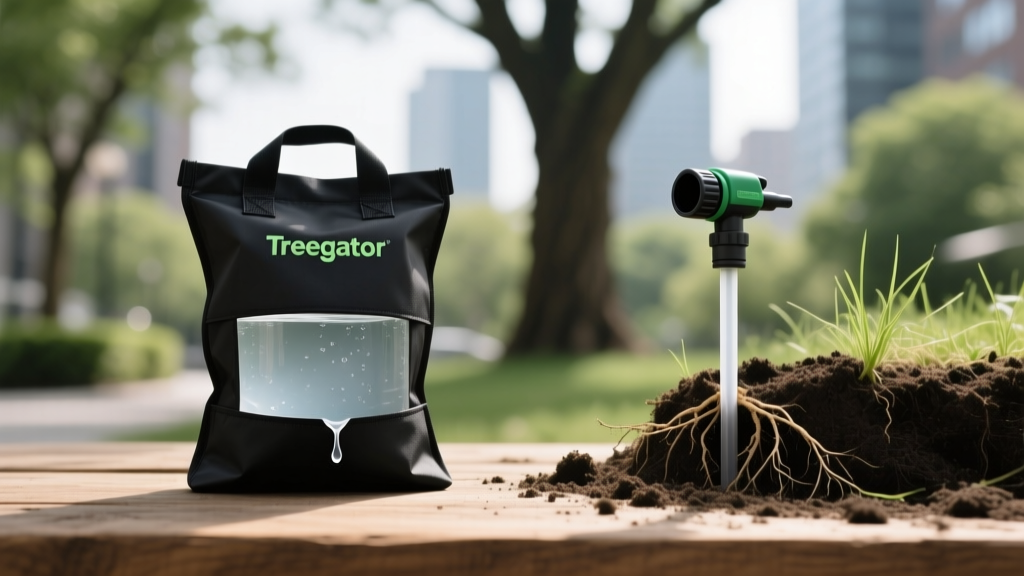
Treegator Bag vs Root Feeder: Best Tree Watering Tools
Mike RodriguezPublished
The Critical Role of Deep Tree Hydration
When it comes to establishing newly planted trees or maintaining the health of mature specimens during drought conditions, proper hydration is non-negotiable. However, the method you choose to deliver that water can drastically impact root development, soil health, and your personal time investment. In the arboriculture and landscaping industries, two dominant slow-release and deep-watering products have emerged as the gold standard for residential and commercial tree care: the surface-level Treegator watering bag and the subsurface deep root feeder wand. Both tools aim to solve the same problem—delivering adequate moisture to the root zone without causing wasteful runoff or promoting shallow root growth. Yet, they operate on fundamentally different mechanical principles and are suited for entirely different soil profiles, tree ages, and landscape topographies. In this comprehensive comparison, we will break down the science, costs, and practical applications of Treegator bags versus deep root feeders to help you make the most informed decision for your landscape.
Understanding Tree Hydration and Root Zone Dynamics
Before comparing specific products, it is vital to understand how trees absorb water. According to the Arbor Day Foundation, the majority of a tree's absorbing roots are located in the top 12 to 18 inches of soil, extending well beyond the drip line. Watering the base of the trunk is largely ineffective and can promote root rot and fungal diseases. Instead, water must be delivered slowly and deeply to encourage roots to grow downward and outward. Fast, high-volume watering from a standard garden hose often leads to surface runoff, especially in compacted urban soils or heavy clay. This is where specialized tree watering tools become essential. By utilizing slow-release mechanisms, these tools ensure that water percolates deeply into the soil profile, reaching the critical root zone where it is needed most.
Product A: Treegator Slow-Release Watering Bags
The Treegator is a heavy-duty, UV-treated polyethylene bag that wraps around the base of a tree trunk and zips securely into place. Once filled with a standard garden hose, it holds approximately 15 to 20 gallons of water. The bottom of the bag features micro-perforations or specialized drip emitters that release the water slowly over a period of 5 to 9 hours.
Pros of Treegator Bags:
- Set and Forget: Once filled, the bag requires no further attention until it is empty, making it ideal for busy homeowners or municipal planting projects.
- Runoff Prevention: Because the water is released at a rate slower than the soil's infiltration capacity, virtually zero water is lost to surface runoff, even on sloped terrain.
- Evaporation Reduction: The bag covers the soil surface directly beneath it, shading the root ball and significantly reducing surface evaporation during peak summer heat.
Cons of Treegator Bags:
- Pest Harbor: If left on the tree continuously, the dark, moist environment beneath the bag can attract rodents, insects, and promote fungal growth. Experts recommend removing the bag between waterings to let the trunk dry.
- Surface Limitations: In extremely dense clay soils, the slow surface drip may still struggle to penetrate deeply enough to reach established lateral roots located further from the trunk.
Product B: Deep Root Feeders and Soil Needles
A deep root feeder (often recognized by the popular Ross Root Feeder brand) is a subsurface irrigation tool consisting of a long metal or heavy-duty plastic spike attached to a garden hose. The user pushes the spike 12 to 18 inches into the soil at various points around the tree's drip line, allowing water to inject directly into the subsoil.
Pros of Deep Root Feeders:
- Bypasses Surface Evaporation: By injecting water below the surface, zero water is lost to the sun and wind, ensuring 100% of the moisture reaches the root zone.
- Soil Aeration: The physical act of pushing the spike into the ground creates small channels that alleviate minor soil compaction and introduce vital oxygen to the root zone.
- Targeted Delivery: You can precisely target dry pockets of soil or specific areas of the root ball that need immediate attention.
Cons of Deep Root Feeders:
- Labor Intensive: This method requires active participation. You must hold the feeder in place for several minutes per insertion point, moving around the tree's perimeter.
- Soil Restrictions: In heavily rocky, gravelly, or severely compacted urban soils, pushing a metal spike 18 inches deep can be physically difficult or impossible.
Head-to-Head Comparison Chart
| Feature | Treegator Bag | Deep Root Feeder |
|---|---|---|
| Initial Cost | $25 - $35 per bag | $30 - $50 per wand |
| Setup Time | 2-3 minutes to wrap and fill | 15-20 minutes of active holding |
| Water Delivery Depth | Surface to 6 inches (relies on percolation) | 12 to 18 inches (direct injection) |
| Evaporation Loss | Low (shaded by bag) | Zero (subsurface delivery) |
| Best Soil Type | Sandy loam to moderate clay | Heavy clay or compacted urban soils |
| Best Tree Age | Newly planted (Years 1-3) | Established and mature trees |
Strategic Application: Which Tool Should You Choose?
Choosing between a Treegator bag and a deep root feeder largely depends on your soil type, the age of the tree, and your available time. For newly planted trees (1 to 3 years old), the root ball is still concentrated near the trunk. In these cases, a Treegator bag is highly effective because it keeps the confined root ball consistently moist without washing away the backfill soil. The University of Minnesota Extension emphasizes that newly planted trees require frequent, consistent moisture to establish their initial root systems, making the slow-drip bag an excellent automated solution.
However, for mature trees or those planted in heavy, compacted clay soils, a deep root feeder is vastly superior. Mature trees have expansive root systems that extend far beyond the trunk. A surface bag will only wet the immediate base of the tree, leaving the outer absorbing roots parched. By using a root feeder wand around the drip line, you can deliver water exactly where the mature roots are actively foraging. Furthermore, the Morton Arboretum notes that deep, infrequent watering is the key to drought-proofing mature trees, a task perfectly suited for subsurface injection.
Sandy soils require more frequent watering because they drain rapidly and lack water-holding capacity. Conversely, clay soils hold water tightly but drain poorly, meaning overwatering is just as dangerous as underwatering. Adjust your tool usage accordingly; use the root feeder on a lower flow rate for clay, and refill the Treegator more frequently for sandy profiles.
Actionable Best Practices for Tree Watering
Regardless of the product you choose, adhere to these professional arboricultural guidelines to maximize tree health:
- The Caliper Rule: A general rule of thumb is to provide 10 gallons of water per inch of trunk caliper (measured at knee height) per watering session. A 2-inch caliper tree needs 20 gallons.
- The Screwdriver Test: Before watering, test soil moisture. Push a 6-inch screwdriver into the soil near the root zone. If it slides in easily, the soil is adequately moist. If it meets resistance, it is time to water.
- Mulching Synergy: Always apply a 2 to 3-inch layer of organic wood chip mulch in a wide ring around the tree (keeping it away from the trunk flare). Mulch works in tandem with both watering bags and root feeders by regulating soil temperature and retaining subsurface moisture.
- Avoid Volcano Mulching: Never pile mulch against the tree trunk. This traps moisture against the bark, leading to rot and inviting boring insects. Keep the root flare visible at all times.
- Seasonal Adjustments: Reduce watering frequency in the fall to allow the tree to harden off for winter, but ensure a deep, thorough watering right before the ground freezes to prevent winter desiccation.
Conclusion
Both Treegator watering bags and deep root feeders are exceptional tools that solve the critical challenge of deep tree hydration. The Treegator bag wins on convenience and runoff prevention for newly planted trees, while the deep root feeder excels in targeted, subsurface delivery for mature trees and compacted soils. By understanding the specific needs of your landscape and the mechanics of your soil, you can select the right irrigation tool to ensure your trees thrive for decades to come.