Tree Care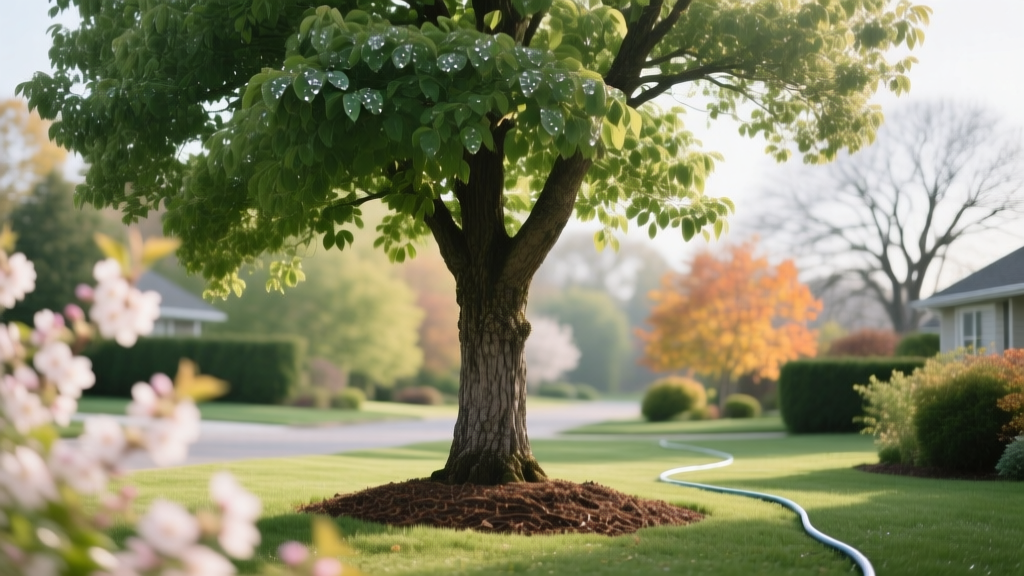
The Ultimate Year-Round Tree Care Schedule and Checklist
Robert HayesPublished
Why Your Trees Need a Dedicated Annual Schedule
Trees are the most valuable and longest-living assets in your residential landscape. Unlike seasonal flowers or turfgrass, trees require a long-term, proactive approach to thrive. A mature shade tree can increase your property value by up to 15 percent, but neglected trees can become hazardous liabilities, leading to removal costs that often exceed $1,500 per tree. To protect your investment, you must transition from reactive problem-solving to a proactive, scheduled maintenance routine.
This comprehensive year-round tree care schedule provides actionable checklists for every season. Whether you are managing delicate ornamental saplings or towering heritage oaks, following this calendar ensures optimal health, structural integrity, and vibrant seasonal displays. Below, we break down the exact timing, measurements, and techniques required to keep your urban forest thriving, backed by arboricultural best practices.
Spring Tree Care Checklist: Awakening and Protection
Spring is a critical window for tree health assessment and establishment. As trees break dormancy and push energy into new foliage, your primary goal is to support this growth while mitigating winter damage.
1. Inspection and Damage Assessment
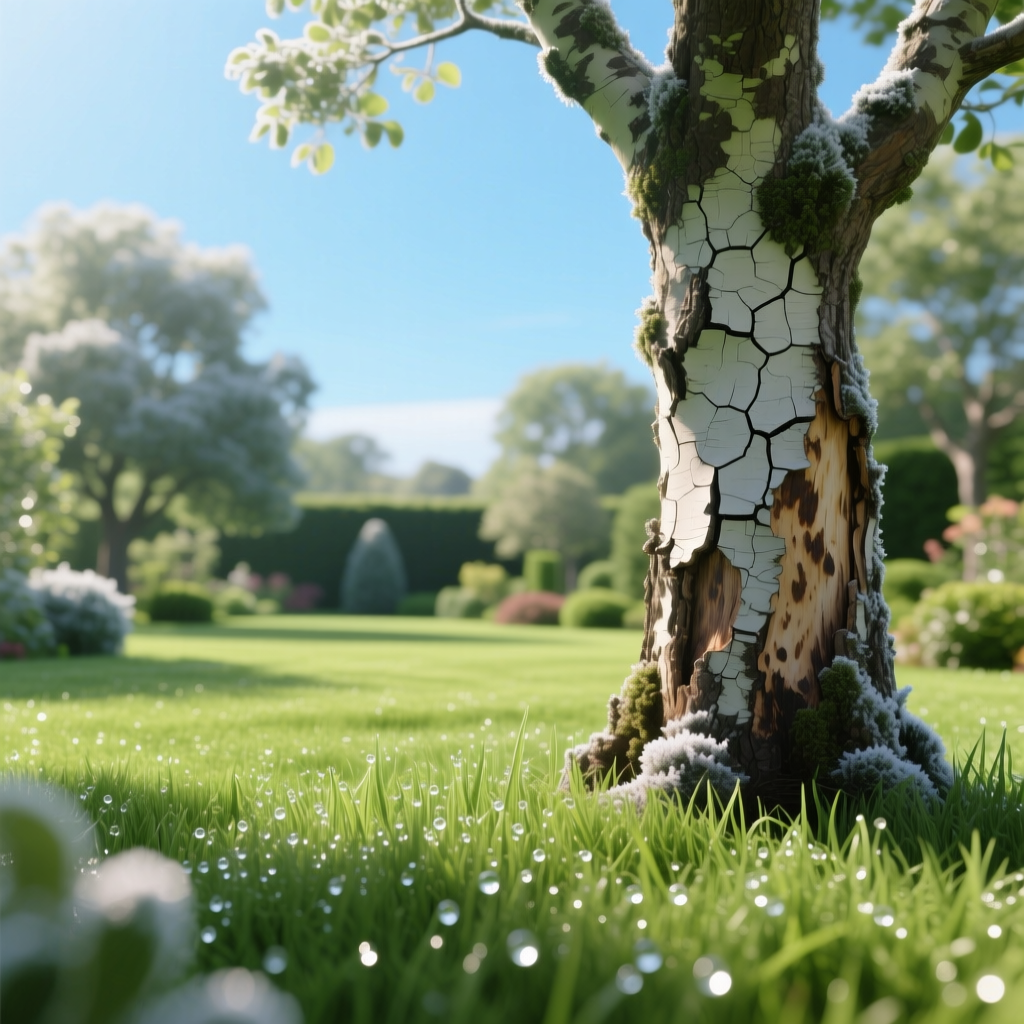
Before the canopy fully leafs out, inspect the trunk and primary scaffold branches. Look for frost cracks, peeling bark, or signs of rodent girdling from the winter months. Check the root flare to ensure it is visible; if soil or mulch has been pushed up against the trunk, gently excavate it to prevent root rot and girdling roots.
2. Proper Mulching Techniques
Mulch is essential for moisture retention and temperature regulation, but improper application is a leading cause of tree decline. Apply a 2 to 4-inch layer of organic mulch (like shredded hardwood or pine bark) in a ring extending at least 3 feet from the trunk. Never pile mulch against the trunk—a practice known as 'volcano mulching'—as this traps moisture and invites fungal pathogens. According to the University of Minnesota Extension, keeping mulch a few inches away from the base of the tree is vital to prevent bark decay and encourage proper root respiration.
3. Planting and Transplanting
Early spring, before bud break, is the ideal time to plant bare-root trees or transplant established specimens. Dig a saucer-shaped hole two to three times the width of the root ball, but only as deep as the root ball itself. Backfill with native soil, avoiding heavy amendments that can create a 'bathtub effect' and drown the roots.
Summer Tree Care Checklist: Hydration and Monitoring
Summer brings heat stress, drought conditions, and peak pest activity. Your schedule must pivot toward deep hydration and vigilant monitoring.
1. Deep Watering Protocols
Turfgrass sprinklers are insufficient for trees. Trees require slow, deep watering that penetrates the top 8 to 12 inches of soil, where the majority of the absorbing roots live. A general rule of thumb is to provide 10 gallons of water per inch of trunk diameter (caliper) during each watering session. Use a soaker hose or a slow-drip tree watering bag to deliver moisture over several hours. The Clemson University Home and Garden Information Center emphasizes that deep, infrequent watering encourages roots to grow downward, making trees significantly more drought-tolerant and wind-resistant than frequent, shallow watering.
2. Pest and Disease Scouting
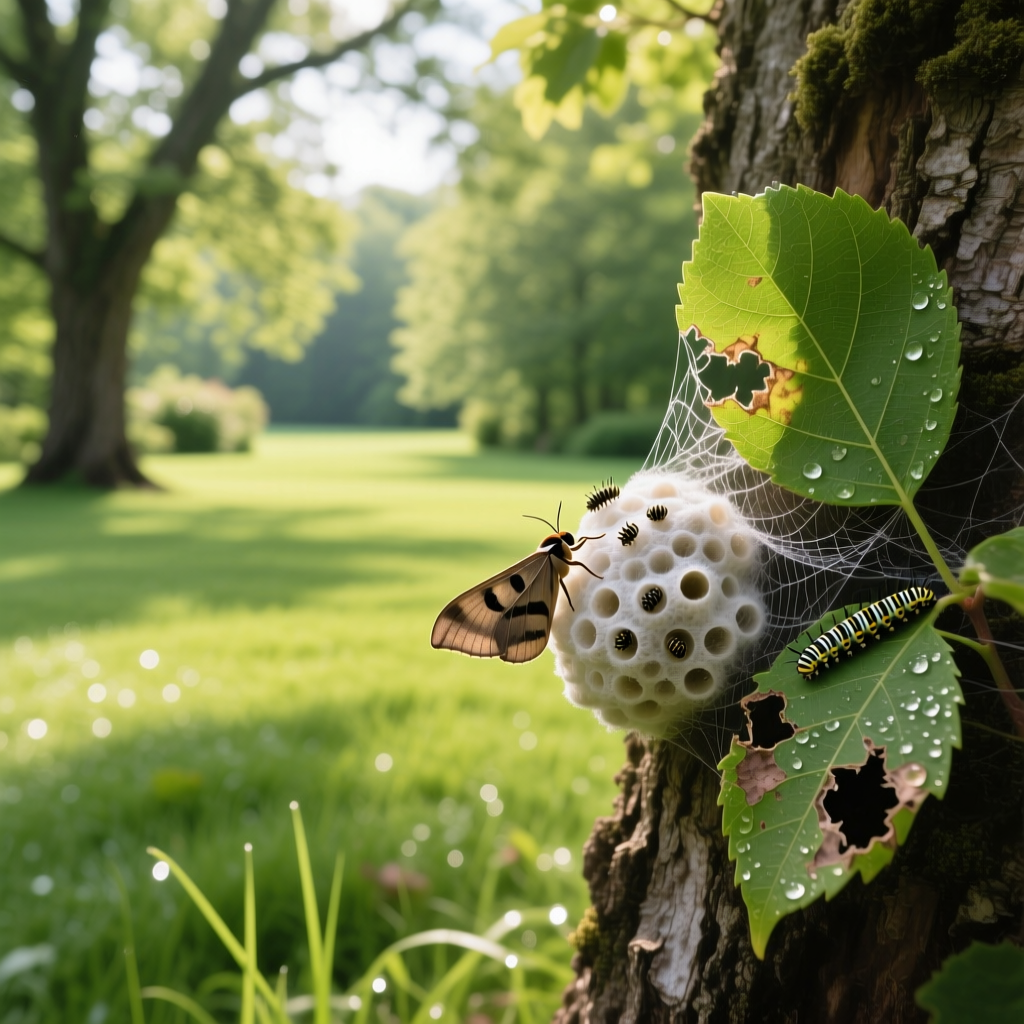
Walk your property bi-weekly to scout for pests. Look for sawdust-like frass at the base of trunks, D-shaped exit holes (indicative of the Emerald Ash Borer), or premature leaf drop. Treat minor aphid or scale infestations with horticultural oils or insecticidal soaps, applying in the early morning to avoid harming pollinators.
3. Corrective Summer Pruning
Limit summer pruning to the removal of dead, diseased, or damaged wood (the 3 Ds). You can also remove water sprouts and suckers that drain the tree's energy. Avoid heavy canopy thinning during peak heat, as this can expose inner bark to sunscald and stress the tree.
Fall Tree Care Checklist: Preparation and Nutrition
Autumn is about preparing the tree for winter dormancy and addressing soil health. The actions you take in fall dictate the vigor of the following spring's growth.
1. Fall Hydration and Winter Desiccation Prevention
Evergreens and newly planted deciduous trees are highly susceptible to winter desiccation (drying out from cold winds while the ground is frozen). Continue watering deeply until the ground freezes solid. In most northern climates, this means watering well into late October or November.
2. Soil Testing and Fertilization
Do not blindly apply fertilizer. Purchase a soil test kit from your local cooperative extension to determine pH and nutrient deficiencies. If fertilization is required, apply a slow-release, low-nitrogen fertilizer after the trees have dropped their leaves but before the soil freezes. This allows the roots to absorb nutrients and store them for spring without triggering vulnerable late-season top growth.
3. Sanitation and Disease Control
Fungal diseases like apple scab, anthracnose, and powdery mildew overwinter in fallen leaf litter. Rake and destroy (do not compost) the leaves of susceptible trees, such as crabapples, hawthorns, and oaks, to break the disease cycle for the following year.
Winter Tree Care Checklist: Dormancy and Structure
With the leaves gone, the architectural structure of your deciduous trees is fully visible. Winter is the premier season for structural pruning and physical protection.
1. Dormant Pruning
Pruning during the dormant season minimizes sap loss and prevents the spread of diseases that are active in warmer months. For example, oak trees must only be pruned in winter to prevent the transmission of Oak Wilt, which is spread by sap-feeding beetles active from spring through summer. Utilize the three-cut method for heavy limbs: an undercut to prevent bark tearing, a top cut to remove the weight, and a final collar cut to promote proper compartmentalization. The University of Minnesota Extension provides excellent visual guides on making proper pruning cuts just outside the branch collar to ensure rapid wound closure.
2. Trunk Protection
Wrap the trunks of young, thin-barked trees (like maples and ash) with white tree wrap or plastic guards to prevent sunscald and frost cracking, which occur when winter sun warms the bark during the day and freezing temperatures drop rapidly at night. Remove the wrap in early spring to prevent insect harborage and girdling.
Seasonal Tree Care Quick Reference Chart
| Season | Primary Focus | Key Action Items | Estimated DIY Cost |
|---|---|---|---|
| Spring | Establishment & Mulching | Inspect root flares, apply 2-4' mulch ring, plant bare-root stock. | $30 - $80 (Mulch/Soil) |
| Summer | Hydration & Pest Control | Deep water (10 gal/inch caliper), scout for borers, remove deadwood. | $20 - $50 (Hoses/Soaps) |
| Fall | Nutrition & Sanitation | Soil testing, deep root watering, rake diseased leaf litter. | $15 - $40 (Tests/Fertilizer) |
| Winter | Structure & Protection | Dormant pruning (3-cut method), wrap young trunks, inspect cables. | $40 - $150 (Tools/Wrap) |
DIY vs. Professional Arborist: When to Call the Experts
While routine mulching, watering, and minor pruning are excellent DIY tasks, certain situations require the expertise of an International Society of Arboriculture (ISA) Certified Arborist. Understanding when to transition from your personal checklist to professional help is crucial for safety and tree survival.
- Hazardous Limb Removal: Any branch larger than 6 inches in diameter, or any work requiring a ladder or proximity to power lines, must be left to professionals. Professional tree trimming typically costs between $300 and $800, depending on canopy size and accessibility.
- Deep Root Fertilization: If your soil test reveals severe compaction or nutrient lockout, an arborist can perform deep root injection, which fractures compacted soil while delivering liquid nutrients directly to the root zone. Expect to pay $15 to $30 per tree for this service.
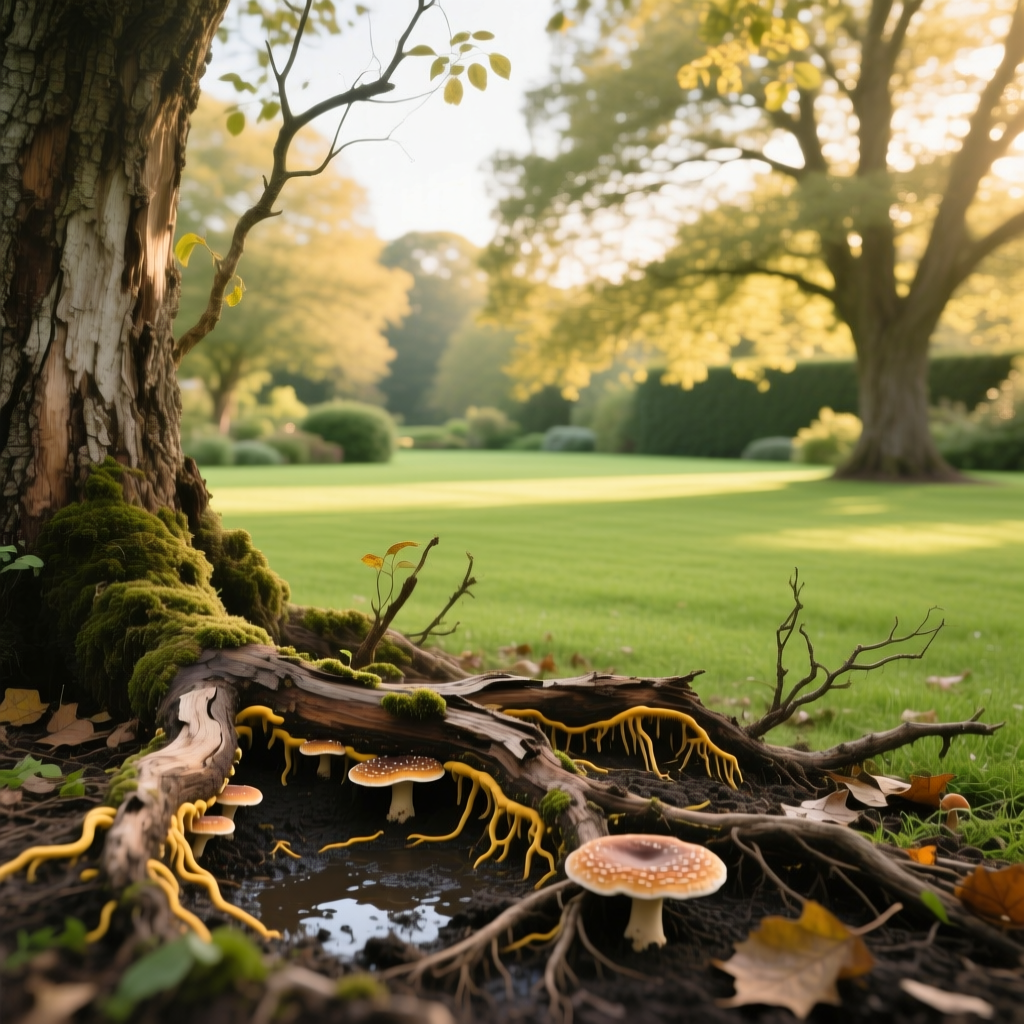
- Advanced Diagnostics: If you notice fungal conks (mushrooms) growing on the trunk or root flare, this indicates internal heart rot. An arborist can use a resistograph or sonic tomography to assess structural integrity. A hazard assessment report generally costs $150 to $300.
By integrating this year-round tree care schedule into your broader landscape maintenance routine, you ensure your trees remain resilient against environmental stressors, pests, and diseases. Consistency is the secret to a thriving urban canopy; stick to the schedule, and your trees will reward you with decades of shade, beauty, and ecological benefits.