Lawn Care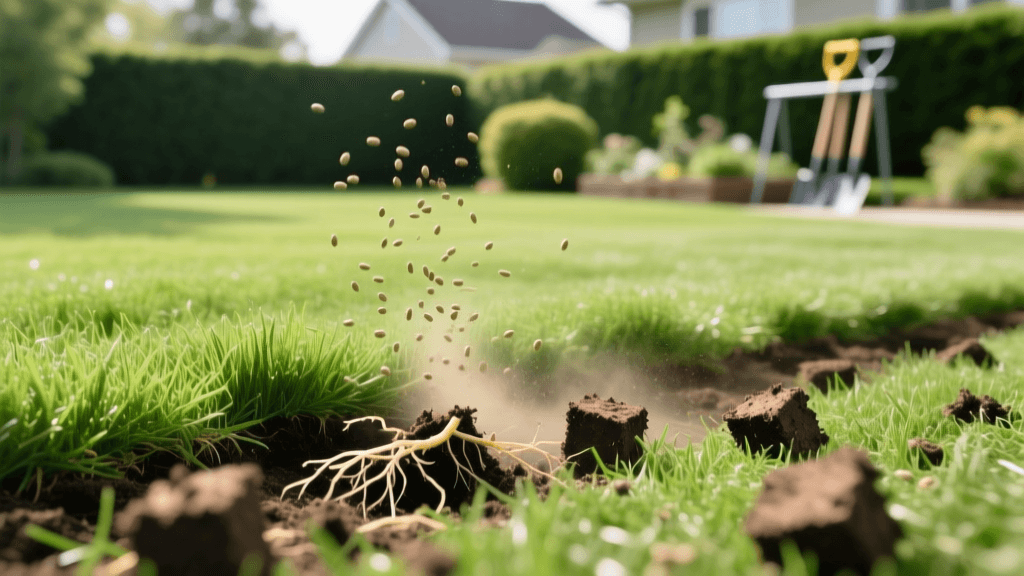
Expert Guide to Core Aeration and Overseeding Cool-Season Lawns
The Science Behind Core Aeration and Overseeding
Achieving a pristine, golf-course-quality lawn requires more than just regular mowing and watering. For cool-season grasses like Kentucky Bluegrass, Tall Fescue, and Perennial Ryegrass, the combination of core aeration and overseeding is the ultimate catalyst for turf rejuvenation. Over time, soil becomes compacted due to foot traffic, heavy equipment, and natural settling. This compaction crushes the pore spaces between soil particles, severely restricting the flow of oxygen, water, and essential nutrients to the root zone.
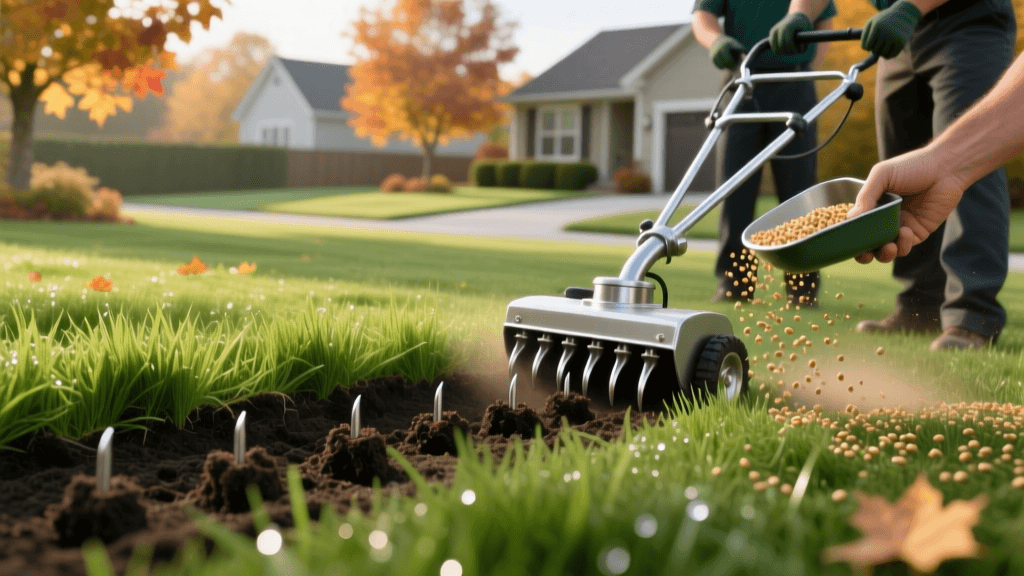
Core aeration alleviates this compaction by physically extracting small plugs of soil and thatch, typically two to three inches deep. This process creates channels that allow the soil to breathe and expands the root zone's access to vital resources. When paired with overseeding—the process of planting new grass seed directly into existing turf—you introduce superior, modern grass cultivars into your lawn while ensuring those seeds have direct soil contact, which is mandatory for germination.
Pinpointing the Perfect Timing for Cool-Season Grasses
Timing is arguably the most critical factor in the success of your aeration and overseeding project. Cool-season grasses thrive in cooler air temperatures and require specific soil temperatures to germinate and establish before winter dormancy.
The optimal window for this dual process is early fall, generally between late August and mid-October, depending on your specific hardiness zone. During this period, daytime air temperatures hover between 60°F and 75°F, while soil temperatures sit in the ideal 50°F to 65°F range. This environment promotes rapid seed germination and allows the young grass plants to develop deep, resilient root systems before the stress of the following summer. Spring overseeding is generally discouraged by turf experts because the emerging seedlings will immediately face the stress of summer heat and aggressive weed competition.
Pre-Aeration Preparation: Setting the Stage
Before you rent an aerator or spread a single seed, proper preparation is required to maximize the effectiveness of the treatment.
- Mow Low: Mow your existing lawn to a height of about 1.5 to 2 inches. This reduces the canopy, allowing sunlight to reach the newly planted seeds and preventing the existing grass from smothering tender seedlings.
- Water Deeply: Two days before aerating, apply about 1 inch of water to your lawn. Moist soil allows the aerator tines to penetrate deeply and extract full, intact cores. If the soil is too dry and hard, the tines will bounce off the surface; if it is muddy, the machine will clog and tear the turf.
- Mark Utilities: Always call your local utility marking service (like 811 in the United States) a few days prior to ensure you do not puncture shallow irrigation lines, cable wires, or gas lines.
Executing the Core Aeration Like a Pro
For most homeowners, renting a walk-behind core aerator from a local equipment rental yard is the most cost-effective route. Expect to pay between $80 and $120 for a four-hour or daily rental. Brands like Billy Goat or Classen offer heavy-duty, gas-powered models that use spoon-like tines to pull actual cores, which is vastly superior to spike aeration (which merely pokes holes and can worsen compaction by compressing the surrounding soil).
When operating the machine, treat it like a lawnmower. Make one pass in a horizontal direction and a second pass in a vertical direction, creating a cross-hatch pattern. Aim to pull cores that are 2 to 3 inches deep and spaced about 2 to 3 inches apart. Leave the extracted soil plugs on the lawn; they will break down naturally over the next two to three weeks, depositing beneficial soil microbes back into the thatch layer to aid in decomposition.
Overseeding: Seed Selection and Application Rates
Selecting the right seed is paramount. Avoid cheap, generic seed mixes found at big-box stores, as they often contain high percentages of weed seeds, annual ryegrass, and inert filler. Instead, invest in certified, professional-grade seed blends from brands like Jonathan Green, Scotts, or local landscape suppliers. Look for a mix tailored to your specific microclimate (e.g., full sun vs. heavy shade).
| Grass Type | Overseeding Rate (lbs per 1,000 sq ft) | Germination Time (Days) | Best Use Case |
|---|---|---|---|
| Tall Fescue | 5.0 - 6.0 lbs | 7 - 12 days | High traffic, drought-prone areas, deep roots |
| Kentucky Bluegrass | 1.0 - 2.0 lbs | 14 - 30 days | Sun-drenched lawns, rhizomatous spreading for repair |
| Perennial Ryegrass | 4.0 - 5.0 lbs | 5 - 10 days | Quick germination, erosion control, nurse crop |
Use a broadcast spreader to apply the seed evenly across the lawn. For best results, split your seed application in half: spread the first half walking north-to-south, and the second half walking east-to-west. This ensures uniform coverage and prevents striping.
Fertilization: The Starter Fertilizer Advantage
Newly germinated seeds lack the root mass to forage for nutrients in the soil profile. Applying a high-quality starter fertilizer immediately after overseeding provides the necessary building blocks for rapid root development. Starter fertilizers are distinct from standard lawn foods because they contain a higher concentration of phosphorus (the middle number in the N-P-K ratio), which is essential for early root growth.
A product like Scotts Turf Builder Starter Food for New Grass (N-P-K ratio of 24-25-4) is an excellent choice. Apply it at the rate specified on the bag using a calibrated spreader. Note that many states have strict regulations regarding phosphorus application; ensure that your local ordinances allow for starter fertilizer use on newly seeded lawns before purchasing.
The Critical Post-Overseeding Watering Schedule
Watering is where most DIY lawn care projects fail. Grass seed must remain consistently moist until it germinates and establishes a primary root system. If the seed dries out even once during the germination window, the embryo will die.
- Weeks 1 & 2 (Germination Phase): Water lightly 2 to 3 times per day for 5 to 10 minutes per zone. The goal is to keep the top half-inch of soil moist, not to flood it and wash the seeds away.
- Weeks 3 & 4 (Establishment Phase): As seedlings reach 1 inch in height, reduce watering frequency to once daily, but increase the duration to 15 to 20 minutes to encourage deeper root growth.
- Week 5 and Beyond: Transition back to a standard deep-and-infrequent watering schedule, aiming for 1 to 1.5 inches of water per week, applied in one or two heavy sessions.
Mowing Rules for Newly Seeded Lawns
Patience is required when it comes to the first mow. Do not mow the new grass until the existing turf and the new seedlings have reached a height of about 3.5 to 4 inches. When you do mow, ensure your mower blades are razor-sharp to prevent tearing the tender, young grass blades. Set your deck to cut no more than the top third of the grass blade, bringing the lawn down to a manageable 2.5 to 3 inches. Leave the clippings on the lawn to act as a natural mulch, retaining moisture and returning nitrogen to the soil.
Expert Troubleshooting and Common Mistakes
Even seasoned homeowners can fall into common traps during the fall renovation season. One of the most frequent errors is applying a pre-emergent crabgrass preventer in the spring and expecting to overseed in the fall. While the pre-emergent barrier typically degrades after 90 to 120 days, heavy applications can linger and inhibit the germination of your expensive grass seed. Always check the label of your spring herbicides for reseeding intervals.
Another mistake is burying the seed. Grass seed requires sunlight to trigger germination. While seed-to-soil contact is vital, the seed should be gently raked into the top one-eighth of an inch of soil, or simply left on the surface of the aeration holes. Covering it with a thick layer of topsoil or straw will suffocate the seedling.
'Core aeration improves soil oxygen levels, enhances water infiltration, and reduces runoff. When combined with overseeding, it provides the ideal microenvironment for seed-to-soil contact, drastically improving germination rates and turf density.' - Penn State Extension, Department of Plant Science
By following these expert guidelines, respecting the biological timelines of cool-season grasses, and investing in quality materials, you can transform a tired, thinning lawn into a dense, vibrant, and resilient turf that will be the envy of the neighborhood.