Lawn Care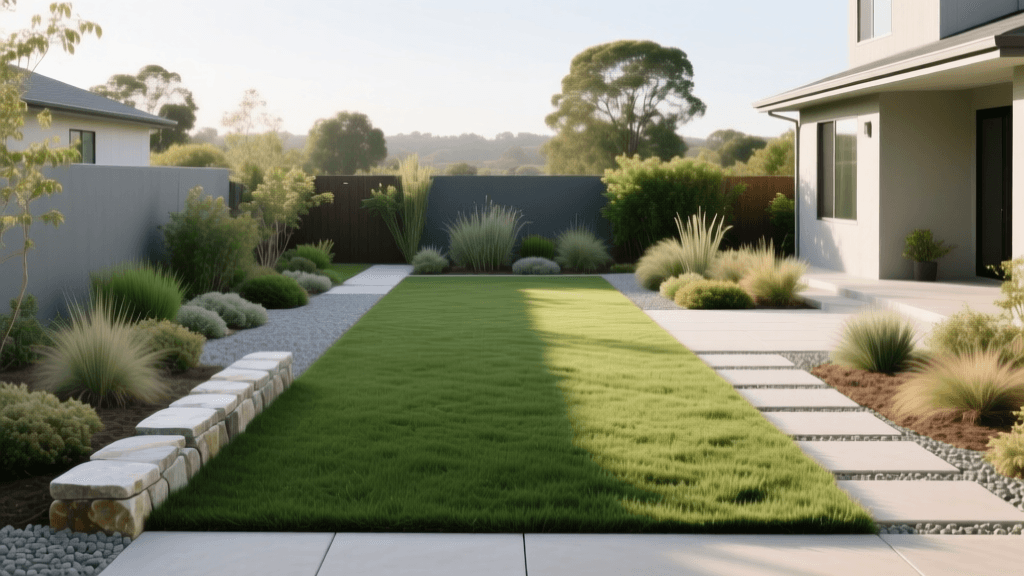
Designing a Low-Maintenance Lawn: Zoning and Turf Selection
The Shift Toward Purpose-Driven Lawn Design
For decades, the traditional American lawn has been defined by a single, uniform carpet of high-maintenance turfgrass. However, modern landscape design and sustainable lawn care practices are shifting away from this monoculture approach. Today, homeowners and landscape architects are embracing strategic lawn zoning to create beautiful, functional, and low-maintenance outdoor spaces. By intentionally designing your lawn based on how different areas are used, you can drastically reduce water consumption, minimize chemical inputs, and cut down on weekend mowing hours. This planning phase is the most critical step in establishing a resilient landscape that thrives with minimal intervention.
Understanding Lawn Zoning: The Foundation of Eco-Friendly Design
Strategic lawn zoning, often referred to in landscape architecture as functional zoning or hydrozoning, involves dividing your yard into distinct areas based on their primary purpose, sunlight exposure, and foot traffic levels. Instead of treating a shady, low-traffic corner the exact same way as a sunny, high-traffic play area, zoning allows you to match the right plant material and irrigation strategy to the specific microclimate and utility of each space. This targeted approach not only saves money on sod, seed, and water bills but also promotes deeper root systems and natural disease resistance.
Primary Zones: High-Traffic and Utility Areas
Primary zones are the workhorses of your landscape. These include pathways, children's play areas, pet runs, and spaces directly adjacent to patios or outdoor kitchens. Because these areas endure heavy foot traffic and compaction, they require aggressive, self-repairing turfgrasses. For cool-season climates, a blend of Kentucky Bluegrass (Poa pratensis) and Tall Fescue (Festuca arundinacea) provides excellent wear tolerance and rapid recovery. In warm-season regions, Bermudagrass (Cynodon dactylon) or Zoysiagrass (Zoysia japonica) are ideal choices due to their dense growth habits and rhizomatous spreading. Plan to mow these zones at a standard 2.5 to 3-inch height to encourage deep rooting while maintaining a neat appearance for entertainment areas.
Secondary Zones: Visual Buffers and Moderate Use
Secondary zones serve as visual transitions and moderate-use spaces. These are the areas you look at from your windows but rarely walk on, such as the middle of a large backyard or the perimeters of a garden bed. Here, you can prioritize aesthetic appeal and drought tolerance over extreme wear resistance. Fine fescues (Chewings, Creeping Red, and Hard fescues) are phenomenal for cool-season secondary zones, especially in dappled shade, requiring significantly less nitrogen fertilizer than traditional bluegrass. For warm-season areas, consider Centipedegrass or a low-growing Buffalograss blend. These grasses thrive on neglect, requiring only 1 to 2 pounds of nitrogen per 1,000 square feet annually and infrequent mowing.
Tertiary Zones: Ornamental and Conservation Areas
Tertiary zones are the outer edges of your property, steep slopes, or heavily shaded under-canopy areas where traditional turf struggles to survive. Designing these areas out of the traditional lawn equation is the secret to a truly low-maintenance yard. Replace struggling turf with native groundcovers, ornamental native grasses, or eco-friendly alternatives like microclover (Trifolium repens var. microclover). Microclover mixes seamlessly with existing turf, fixes its own atmospheric nitrogen, and stays green during summer droughts. On steep slopes, planting deep-rooted native shrubs and applying a 3-inch layer of hardwood mulch prevents erosion and eliminates the need for dangerous mowing on inclines.
Turfgrass Selection Matrix by Zone
When planning your lawn renovation, use the following matrix to align your grass selection with your designated yard zones. Costs are estimated based on national averages for premium seed and professional-grade sod.
| Zone Type | Recommended Grass Species | Optimal Mowing Height | Water Needs | Est. Material Cost |
|---|---|---|---|---|
| Primary (High Traffic) | Kentucky Bluegrass / Bermudagrass | 2.5 - 3.0 inches | High (1.5 in/week) | $25/lb seed | $0.60/sq ft sod |
| Secondary (Visual/Moderate) | Tall Fescue / Zoysiagrass | 3.0 - 4.0 inches | Moderate (1.0 in/week) | $18/lb seed | $0.50/sq ft sod |
| Tertiary (Shade/Low Traffic) | Fine Fescue / Buffalograss | 3.0 - 5.0 inches | Low (0.5 in/week) | $22/lb seed | N/A (Seed only) |
| Eco-Alternative (Mixed) | Microclover & Turf Blend | 2.0 - 3.0 inches | Very Low (Drought tolerant) | $30/lb seed |
Integrating Hardscapes and Xeriscaping to Reduce Turf Footprint
A core tenet of low-maintenance lawn design is reducing the total square footage of irrigated turf. Expanding hardscapes, such as adding a 12x12 foot permeable paver patio, creates functional entertainment space while permanently eliminating 144 square feet of mowing and watering. Additionally, implement the '3-foot rule' for tree and shrub beds. Instead of mowing right up to the base of your plants, create a unified mulch bed extending at least 3 feet from the trunk or drip line. This protects roots from mower damage, retains soil moisture, and suppresses weeds. Use a high-quality edging material, such as steel landscape edging or poured concrete curbs, to create a sharp, clean line that prevents aggressive grasses like Bermudagrass from invading your ornamental beds.
Smart Irrigation Planning for Zoned Lawns
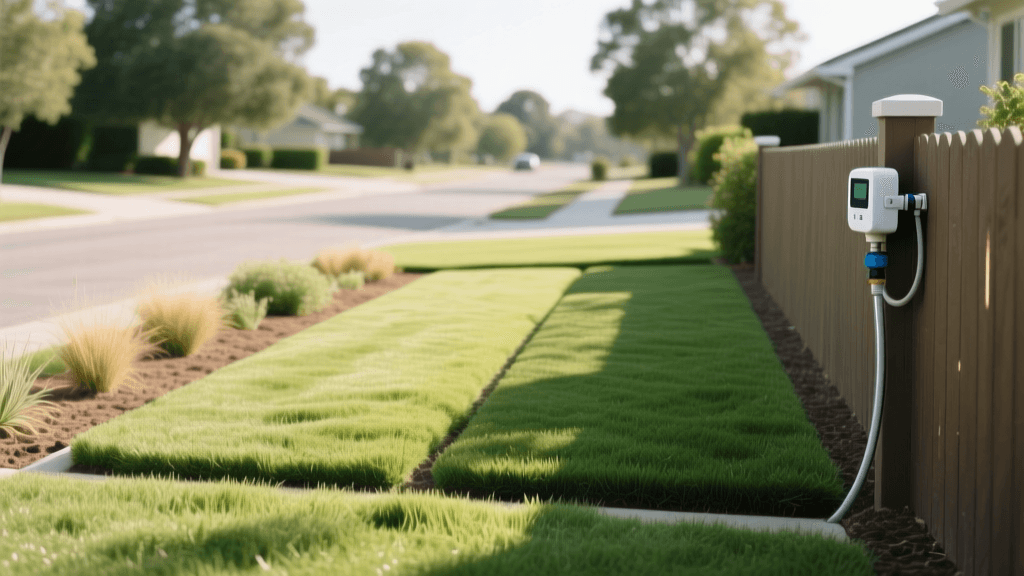
Hydrozoning is only effective if your irrigation system mirrors your landscape design. According to the University of California Agriculture and Natural Resources (UC ANR), implementing hydrozoning—grouping plants and turf areas with similar water needs—can reduce outdoor residential water use by up to 30% while significantly decreasing fertilizer and pesticide runoff. To achieve this, upgrade to a smart irrigation controller, such as the Rachio 3 or Orbit B-hyve, which uses local weather data and soil moisture sensors to adjust watering schedules automatically. Assign Primary zones to high-efficiency rotary nozzles that deliver water slowly, reducing runoff on compacted soils. Reserve Tertiary and ornamental zones for drip irrigation lines, which deliver water directly to the root zone, eliminating evaporation and preventing fungal diseases on foliage.
Implementing hydrozoning and replacing high-water turf in non-functional areas with climate-appropriate plants and smart irrigation can reduce outdoor residential water use by up to 30%.
— University of California Agriculture and Natural Resources (UC ANR)
Soil Preparation and Grading for Long-Term Health
No design plan will succeed without proper soil preparation. Before seeding or laying sod in your newly designated zones, conduct a comprehensive soil test through your local university extension office. This $20 to $30 investment will dictate your exact lime, sulfur, and phosphorus requirements. For new Primary zones, grade the soil with a 1% to 2% slope away from your home's foundation to ensure proper drainage. To build a resilient soil food web, incorporate a 1/4-inch layer of screened organic compost into the top 4 inches of soil prior to planting. Products like Jonathan Green Black Beauty Ultra or Pennington Smart Seed are engineered with endophytes and deep-rooting genetics that pair perfectly with a compost-amended soil profile, ensuring your low-maintenance lawn establishes quickly and fights off environmental stress.
Timing Your Lawn Renovation and Zoning Plan
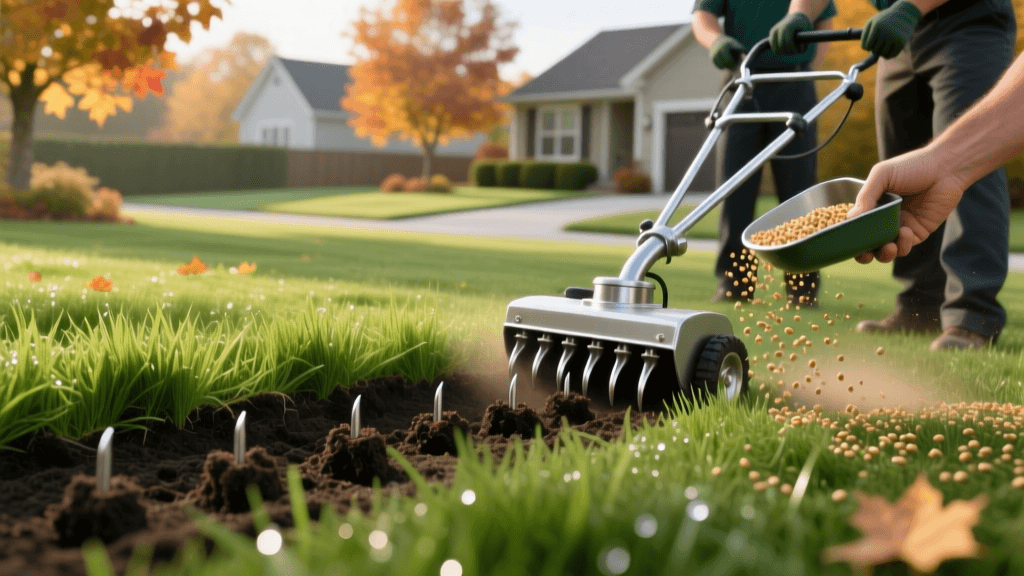
Timing is everything when executing your landscape design. For cool-season grasses (Primary and Secondary zones in northern climates), the optimal planting window is late summer to early fall (August 15 to October 1). Soil temperatures are warm enough for rapid germination, and cooler air temperatures reduce heat stress on seedlings. For warm-season grasses, plan your renovation for late spring to early summer (May 1 to June 30) when soil temperatures consistently exceed 65°F. By aligning your planting schedule with the natural growth cycles of your chosen turf species, you minimize the need for supplemental watering and aggressive weed control during the establishment phase.
Conclusion: The ROI of Thoughtful Lawn Design
Designing a low-maintenance lawn through strategic zoning and precise turf selection is an investment that pays dividends in time, money, and environmental stewardship. By relegating high-maintenance grasses to small, functional Primary zones and embracing drought-tolerant, eco-friendly alternatives in Secondary and Tertiary areas, you reclaim your weekends from endless mowing and edging. Coupled with smart irrigation and proper soil preparation, your newly planned landscape will not only elevate your home's curb appeal but also serve as a resilient, sustainable ecosystem for years to come.