Lawn Care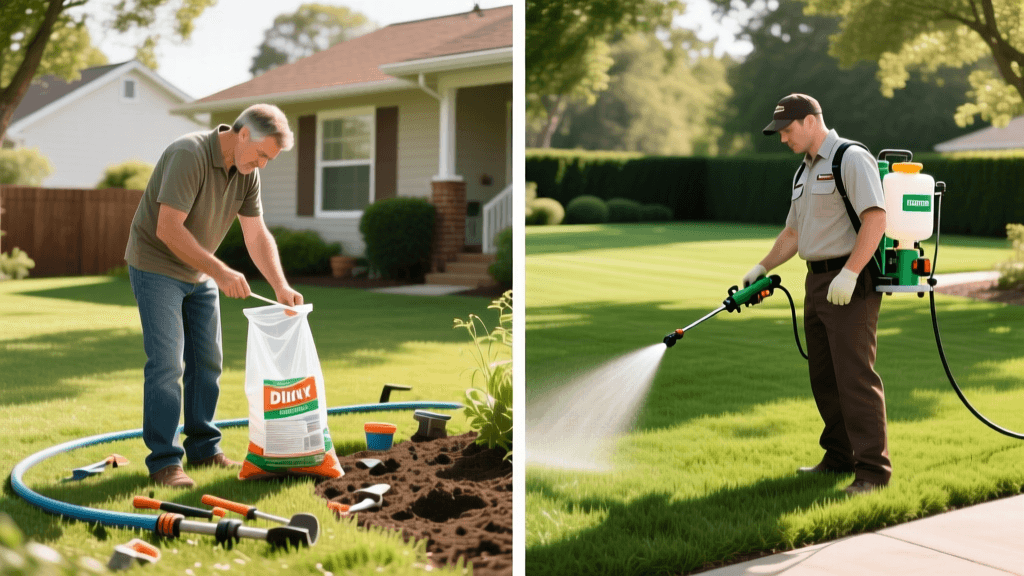
DIY vs Pro Lawn Fertilization Costs: A Budget Guide
Introduction to Lawn Fertilization Budgeting
Achieving a lush, emerald-green lawn is the dream of every homeowner, but the path to getting there is often paved with conflicting advice and hidden expenses. When it comes to lawn fertilization and weed control, homeowners are generally faced with a major financial decision: should you tackle the job yourself, or hire a professional lawn care service? Understanding the true costs associated with both routes is essential for creating a realistic annual landscaping budget. In this comprehensive cost and budgeting guide, we will break down the exact expenses of DIY lawn fertilization versus professional applications, complete with product costs, equipment investments, and expert insights to help you make the most financially sound choice for your specific turf.
Understanding Your Lawn's Nutritional Needs
Before you can accurately budget for lawn care, you must understand the fundamental requirements of your specific grass type. Cool-season grasses, such as Kentucky Bluegrass and Tall Fescue, require heavy feeding in the fall and light feeding in the spring. Warm-season grasses, like Bermuda and Zoysia, thrive with steady fertilization throughout the late spring and summer months. Applying the wrong nutrients at the wrong time is not only detrimental to your turf but is also a massive waste of your hard-earned money. Therefore, the first step in any lawn care budgeting process is determining your lawn's exact square footage and its specific nutritional deficiencies.
The Breakdown of DIY Fertilization Costs
Let us dive into the financial breakdown of the DIY route. For a standard 10,000-square-foot lawn, the costs can be categorized into soil testing, equipment, and recurring product purchases.
Soil Testing and Equipment
First, a professional-grade soil test is non-negotiable. Sending a soil sample to a local university extension office or a private lab like MySoil typically costs between $15 and $30. This test will tell you exactly what your soil lacks, preventing you from buying unnecessary fertilizers. Next, consider equipment. If you do not already own a broadcast spreader, you will need to purchase one. A high-quality spreader, such as the Scotts Classic Drop Spreader or a Lesco Professional Broadcast Spreader, will cost anywhere from $50 to $120. While this is a one-time upfront cost, it must be factored into your first-year budget.
Recurring Product Costs
Now, let us look at the recurring cost of the fertilizer itself. A standard 40-pound bag of synthetic fertilizer, such as Scotts Turf Builder, costs around $35 and covers 5,000 square feet. For a 10,000-square-foot lawn, you need two bags per application. If you fertilize four times a year, that is eight bags, totaling approximately $280 annually. If you prefer organic options like Milorganite, which costs about $22 per bag but only covers 2,500 square feet, your annual cost will jump to roughly $350 because you will need four bags per application. Finally, you must budget for weed control. A quality selective herbicide, such as Ortho WeedClear or a concentrated Tenacity solution, will add $25 to $60 to your annual budget. In total, the first year of DIY fertilization and weed control for a 10,000-square-foot lawn will cost between $400 and $550, dropping to around $300 to $450 in subsequent years once your equipment is purchased.
The Cost of Hiring Professional Lawn Care Services
On the other side of the spectrum is hiring a professional lawn care company. National franchises and local independent operators typically price their services based on lawn square footage and the scope of the annual program. For a 10,000-square-foot lawn, the industry average for a comprehensive 5-to-6 step annual fertilization and weed control program ranges from $400 to $650. This equates to roughly $75 to $110 per visit.
While this may initially seem more expensive than the DIY route in subsequent years, professional services offer several financial advantages that balance the scales. First, professionals use commercial-grade products that are not available to the general public, often resulting in better weed eradication and turf health, which saves you money on lawn renovations down the line. Second, most professional services include free service calls. If a stubborn weed like creeping charlie or crabgrass breaks through their chemical barrier, they will return and spot-treat the area at no additional cost. When you do it yourself, a failed weed control application means spending an extra $30 on herbicides and dedicating another weekend afternoon to re-applying it. Furthermore, professional companies assume all the liability for chemical mishaps, fertilizer burn, and equipment maintenance, entirely removing those hidden costs from your personal budget.
Cost Comparison Chart: DIY vs. Professional
| Expense Category | DIY Cost (Annual) | Pro Cost (Annual) | Notes |
|---|---|---|---|
| Soil Testing | $15 - $30 | Included or $50 | Essential for targeted nutrient application. |
| Equipment (Spreader/Sprayer) | $50 - $120 (Year 1) | $0 | Amortized over several years for DIY. |
| Fertilizer (Synthetic) | $280 | Included in fee | Based on 4 applications for 10k sq ft. |
| Weed Control Products | $25 - $60 | Included in fee | Pro includes free retreatments. |
| Labor and Time | 8 - 12 Hours | 0 Hours | Your time has a monetary value. |
| Total Estimated Cost (Year 1) | $370 - $490 | $400 - $650 | Pro costs are generally fixed-contract. |
Hidden Costs: Time, Equipment, and Mistakes
When evaluating your lawn care budget, it is crucial to consider the hidden costs that rarely appear on a price tag. The most significant hidden cost in DIY lawn care is your time. Sourcing products, calibrating your spreader, applying the treatments, and cleaning your equipment takes an average of two to three hours per application. Over a year, that is up to 12 hours of manual labor. Additionally, improper calibration of your spreader can lead to fertilizer burn, which creates unsightly brown stripes across your lawn. Fixing fertilizer burn requires heavy irrigation, reseeding, and potentially hiring a professional to repair the damage, completely wiping out any initial savings you gained by doing it yourself.
Conversely, the hidden cost of professional lawn care lies in long-term contractual obligations. Many national companies require annual contracts that auto-renew, and cancellation fees or aggressive sales tactics for unnecessary add-on services, like deep root tree fertilization or grub control, can inflate your final bill if you are not vigilant.
Expert Insights: Avoiding Wasteful Spending
To ground these budgeting concepts in scientific best practices, we look to the University of Minnesota Extension. Their turfgrass specialists emphasize that the most common budgeting mistake homeowners make is applying phosphorus to lawns that do not need it. According to the University of Minnesota Extension, many urban soils already contain excessive levels of phosphorus due to historical fertilizer use and topsoil composition. Applying a standard 'weed and feed' product that contains high phosphorus is not only a waste of money, but it also contributes to severe environmental runoff issues in local waterways.
By investing $20 in a university-backed soil test, homeowners can purchase specialized, phosphorus-free nitrogen fertilizers, effectively optimizing their budget while adhering to environmental regulations. The Extension office also recommends that cool-season lawns receive between 2 to 4 pounds of actual nitrogen per 1,000 square feet annually. By calculating the exact nitrogen percentage on your fertilizer bag, you can mathematically determine the precise amount of product needed, ensuring you never overspend on excess chemicals.
Actionable Budgeting Tips for Homeowners
If you are strictly budget-conscious but still want a professional-looking lawn, consider these actionable tips to maximize your investment:
- Buy in Bulk: Purchase your fertilizer in bulk during late-summer clearance sales at local hardware stores or agricultural co-ops to lock in lower prices before the fall feeding season.
- Form a Neighborhood Co-op: If you and three neighbors share the cost of a high-end commercial Lesco spreader and buy pallets of fertilizer together, you can reduce your individual equipment and product costs by up to 30 percent.
- Negotiate Pro Contracts: If you opt for a professional service, always negotiate. Local, independent operators are often willing to match the quotes of national franchises or throw in a free core aeration service if you sign a multi-year contract.
- Practice Grasscycling: Leave your grass clippings on the lawn after mowing. According to turfgrass experts, grasscycling can return up to 25 percent of your lawn's required nitrogen back into the soil naturally, allowing you to skip one entire synthetic fertilizer application per year and keep that cash in your pocket.
Conclusion: Which Option Fits Your Budget?
Ultimately, the decision between DIY and professional lawn fertilization comes down to a balance of your available capital, your free time, and your tolerance for manual labor. The DIY route offers a slight financial advantage in the long run and provides a deep sense of personal satisfaction, but it demands a willingness to learn about turfgrass science, soil chemistry, and equipment calibration. Professional services offer convenience, commercial-grade results, and guaranteed weed eradication, making them the superior choice for busy professionals who view their weekends as priceless. By accurately calculating your lawn's square footage, investing in a comprehensive soil test, and leveraging the budgeting strategies outlined above, you can achieve a stunning, neighborhood-envied lawn without breaking the bank.