Lawn Care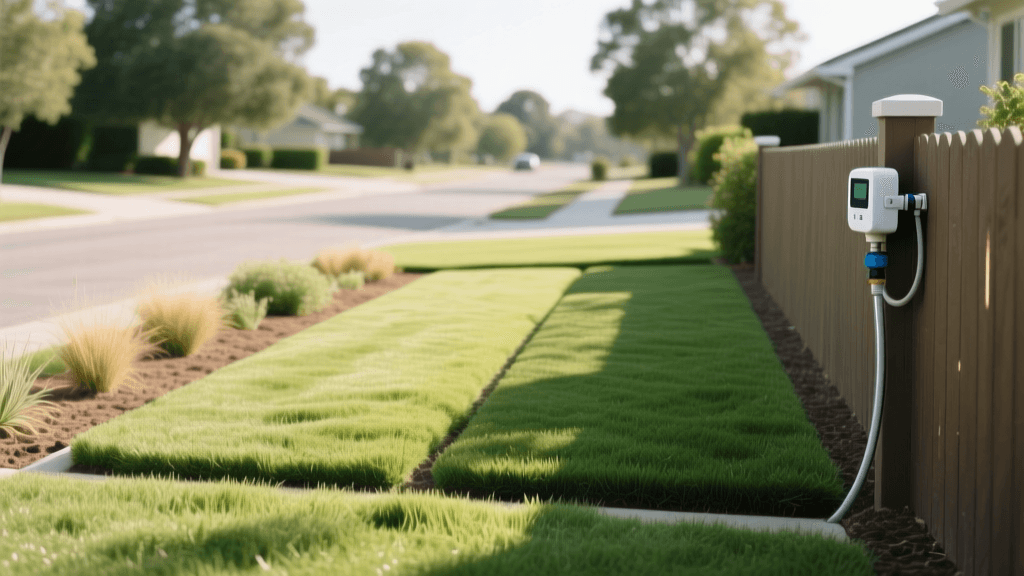
Designing Lawn Hydrozones For Maximum Water Efficiency
When planning a new lawn or renovating an existing landscape, most homeowners focus on grass species, soil amendments, and hardscape layouts. However, one of the most critical—yet frequently overlooked—aspects of landscape design is irrigation planning. Specifically, the practice of hydrozoning. By designing your lawn with hydrozones in mind, you can drastically reduce water waste, lower your monthly utility bills, and prevent the common turf diseases associated with overwatering.
What is Hydrozoning in Lawn Design?
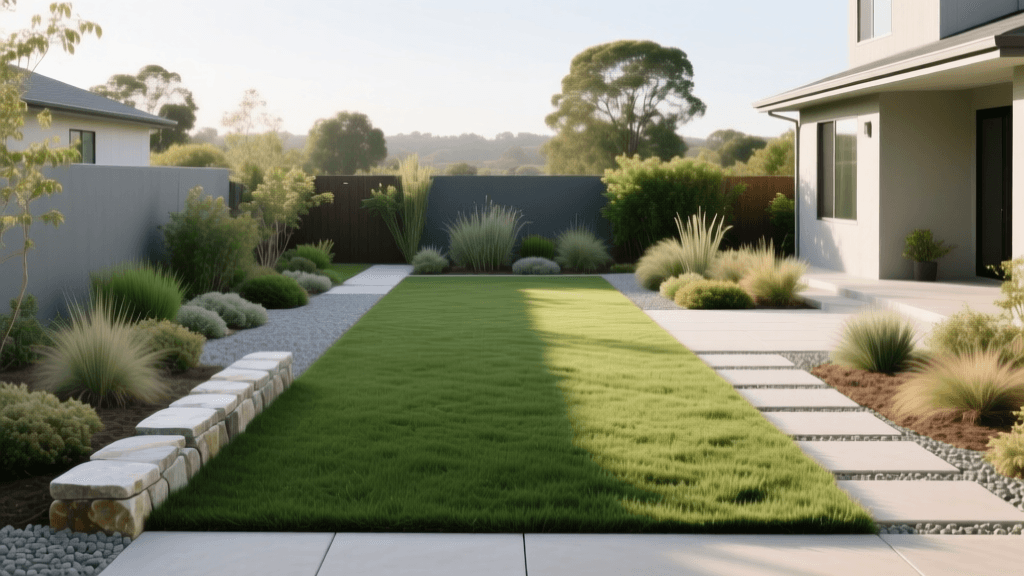
Hydrozoning is the practice of grouping plants, shrubs, and turfgrasses with similar water, sunlight, and soil requirements into distinct irrigation zones. Instead of running a single sprinkler system across a diverse landscape, a hydrozoned yard utilizes separate valves and sprinkler heads tailored to the specific needs of each microclimate.
Outdoor water use accounts for 30 percent of total home water use, and can be much higher in drier parts of the country. A properly hydrozoned and maintained irrigation system can save a household up to 50 percent of its outdoor water use. — EPA WaterSense
According to the Environmental Protection Agency (EPA) WaterSense program, an improperly designed irrigation system can waste up to 50 percent of the water it distributes due to evaporation, wind, and runoff. Hydrozoning directly combats this inefficiency by ensuring that drought-tolerant areas are not overwatered simply to keep a small patch of thirsty turf alive.
The Core Benefits of Strategic Irrigation Planning
Planning your lawn zones before laying sod or seeding offers several compounding benefits:
- Water Conservation: Targeted watering reduces overall consumption by 20 to 40 percent.
- Disease Prevention: Shade-tolerant grasses like Fine Fescue are highly susceptible to fungal diseases if subjected to the heavy watering schedules required by sun-loving grasses like Kentucky Bluegrass.
- Cost Savings: Lower water bills and reduced wear-and-tear on your irrigation pump and municipal water supply.
- Healthier Root Systems: Deep, infrequent watering tailored to specific zones encourages deep root growth, making your lawn more resilient to drought and heat stress.
Step-by-Step Guide to Planning Your Lawn Hydrozones
To effectively design your lawn's hydrozones, you must approach your yard as a series of distinct microclimates. Follow these steps during the planning phase.
Step 1: Map Your Sun and Shade Patterns
Before selecting grass types or laying PVC pipes, track the sunlight exposure across your property. Note which areas receive full sun (6 to 8 hours of direct sunlight), partial shade (4 to 6 hours), and deep shade (under 4 hours). Full sun areas will constitute your highest water-demand zones, while shaded areas beneath tree canopies will require significantly less irrigation but may compete with tree roots for soil moisture.
Step 2: Group Turf by Evapotranspiration (ET) Rates
Evapotranspiration is the sum of evaporation from the land surface and transpiration from plants. Different grasses have vastly different ET rates. For example, Tall Fescue requires more water to maintain its color during summer heat than drought-tolerant Buffalograss or Bermuda grass. Never place high-ET and low-ET grasses on the same irrigation valve.
Step 3: Match Irrigation Hardware to the Zone
A common design flaw is mixing sprinkler head types on a single zone. Spray heads (which emit a fine mist) and rotor heads (which shoot a single stream) have entirely different precipitation rates.
- Spray Heads: Apply water at roughly 1.5 to 2.0 inches per hour. Best for small, rectangular turf areas.
- Rotor Heads: Apply water at roughly 0.4 to 1.0 inches per hour. Ideal for large, open lawn spaces.
- Drip Irrigation: Applies water directly to the root zone at a rate of gallons per hour (GPH). Essential for border shrubs and garden beds adjacent to the lawn.
If you mix rotors and spray heads on the same valve, the spray head area will flood and create runoff long before the rotor area receives adequate moisture. Use products like the Hunter MP Rotator or Rain Bird Rotary Nozzles to convert standard spray bodies into low-precipitation, multi-stream rotators that match the application rates of larger rotor zones.
Lawn Hydrozone Water Requirements Chart
Use the following chart to plan your valves and group your landscape elements effectively.
| Zone Classification | Sun Exposure | Ideal Turf / Plant Type | Weekly Water Need (Inches) | Irrigation Hardware |
|---|---|---|---|---|
| High Demand (Zone 1) | Full Sun (8+ hours) | Kentucky Bluegrass, Bermuda, Ryegrass | 1.0 to 1.5 inches | Rotors or MP Rotators |
| Moderate Demand (Zone 2) | Partial Shade (4-6 hours) | Tall Fescue, Zoysia, St. Augustine | 0.75 to 1.0 inches | Rotors or Spray Heads |
| Low Demand (Zone 3) | Heavy Shade / Drought | Fine Fescue, Buffalograss, Clover | 0.5 to 0.75 inches | Drip or Low-Flow Spray |
| Non-Turf Borders | Variable | Native Shrubs, Mulched Beds | 0.25 to 0.5 inches | Subsurface Drip Line |
Factoring Soil Types into Hydrozone Design
Water needs are only half of the equation; soil infiltration rates dictate how long you can run your sprinklers before runoff occurs. The University of California Agriculture and Natural Resources (UC ANR) division notes that soil texture profoundly impacts irrigation scheduling.
- Clay Soils: Infiltration rate is roughly 0.2 inches per hour. You must use the cycle and soak method. Run the zone for 5 minutes, wait an hour for absorption, and repeat. If your hydrozone has clay soil, avoid high-precipitation spray heads entirely.
- Sandy Soils: Infiltration rate is roughly 2.0 inches per hour. Sand drains rapidly and holds few nutrients. Hydrozones in sandy soil require shorter, more frequent watering cycles to prevent water and fertilizer from leaching past the root zone.
- Loam Soils: The ideal balance, with an infiltration rate of about 0.5 to 1.0 inches per hour, accommodating most standard rotor and spray head setups.
Cost Breakdown: Installing a Hydrozoned System
Planning a hydrozoned system from scratch or retrofitting an existing one requires an upfront investment that pays for itself in water savings. Here is a general cost estimate for a standard quarter-acre lot (prices vary by region):
- Smart Irrigation Controller (e.g., Rachio 3 or Hunter Pro-HC): $150 to $300. These devices automatically adjust watering schedules based on local weather data and ET rates.
- Additional Valves and Wiring: $75 to $120 per new zone. Separating a single large zone into two distinct hydrozones requires trenching, a new valve manifold, and low-voltage wiring.
- Nozzle Upgrades (MP Rotators): $8 to $12 per nozzle. Replacing a standard 15-foot spray nozzle with a multi-stream rotator reduces water usage in that specific zone by up to 30 percent.
- Professional Labor: $65 to $100 per hour for trenching, pipe fitting, and controller programming. A full retrofit typically costs between $1,500 and $3,500.
Expert Tips for Long-Term Hydrozone Maintenance
A well-designed hydrozone requires seasonal maintenance to remain efficient.
Audit Your Zones Annually
Conduct a catch cup test every spring. Place identical flat-bottomed containers like tuna cans in different areas of a single hydrozone. Run the zone for 15 minutes, measure the water in each cup, and calculate the average precipitation rate. This ensures your nozzles are not clogged and your heads are properly aligned. Checking your distribution uniformity helps identify dry spots before they turn brown in the summer heat.
Adjust for Seasonal ET Shifts
Your hydrozones will need 100 percent of their calculated water in the peak heat of July, but only 40 percent in the cooler days of May and September. If you do not have a smart WiFi controller, you must manually adjust the seasonal percentage dial on your timer every month to reflect the shifting evapotranspiration rates.
Manage Tree Root Competition
If a Zone 3 (Low Demand) shaded area is dominated by the root system of a mature oak or maple tree, the turf will struggle to access water. In these specific microclimates, consider replacing the turf entirely with shade-tolerant groundcovers like creeping thyme or liriope, which can be integrated into a low-flow drip hydrozone to save water and eliminate mowing in difficult areas.
Conclusion
Designing your lawn with hydrozones in mind is the hallmark of a mature, sustainable landscape plan. By respecting the unique water, sun, and soil requirements of different areas in your yard, you eliminate the guesswork from lawn care. Whether you are installing a new irrigation system or upgrading an outdated one, taking the time to map out your hydrozones will result in a denser, greener lawn that thrives while conserving one of our most precious natural resources.